Environmental Graphic Design
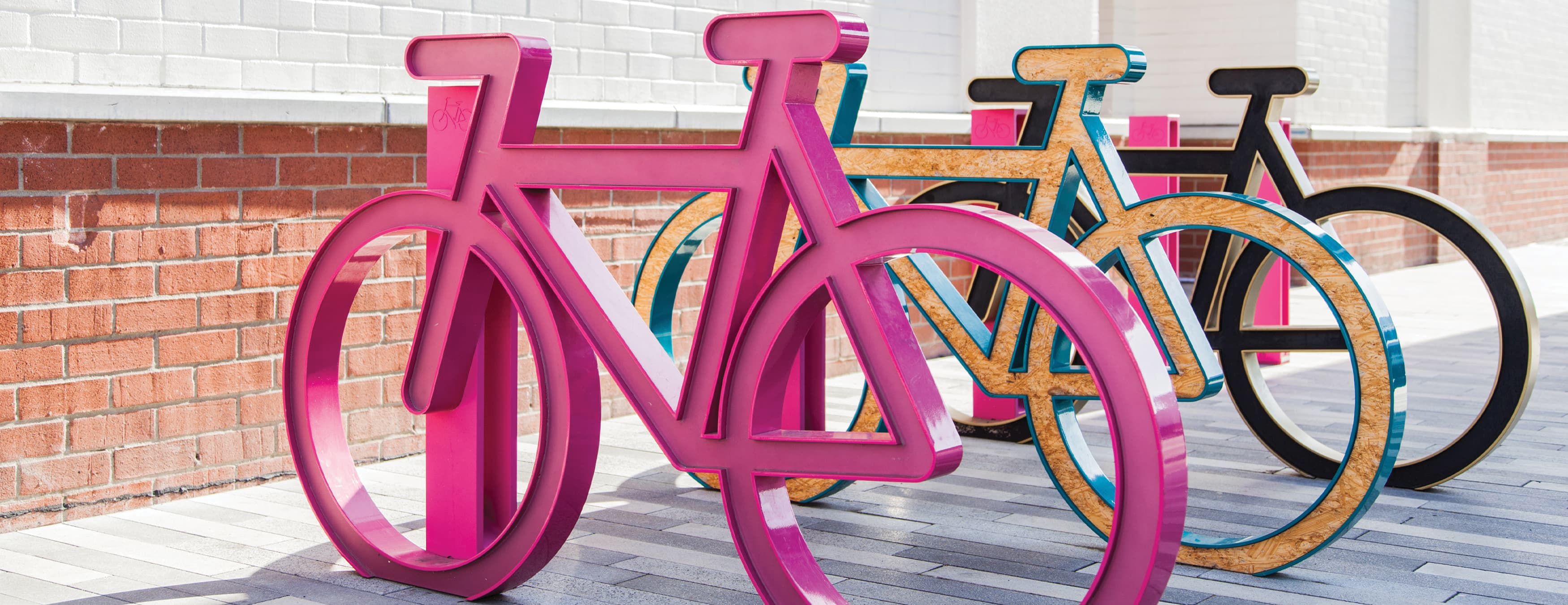
Sub-services
Environmental Signage
Wayfinding DesignVisual Identities
Branded EnvironmentsEnvironmental Graphics
Existing Signage Program Analysis
Signage Budgeting + Analysis
Donor Recognition ProgramsADA Compliant
Environmental graphic design, or EGD, is a multidisciplinary field of design in which the disciplines of graphic design, architecture, art, lighting, landscape, and other fields are utilized as a way to enhance the user experience through the visual translation of ideas in the built environment.
Environmental Graphic Design is a collaborative and impactful discipline that combines creativity, information, and aesthetics to shape and enhance the way people experience physical environments. From strategically placed graphics to visually engaging signage, Environmental Graphics play a crucial in branding environments, guiding individuals, conveying information, and fostering a sense of place. Local history & developing culture provides inspiration for stories that bring physical spaces to life. Environmental graphics contain a blend of creativity and functionality by layering design elements that help with direction as much as they enhance the experience. The built environment is a canvas for engaging storytelling and seamless navigation, for a transformative environment that benefits the guests and our clients.
Environmental Graphic Design Projects
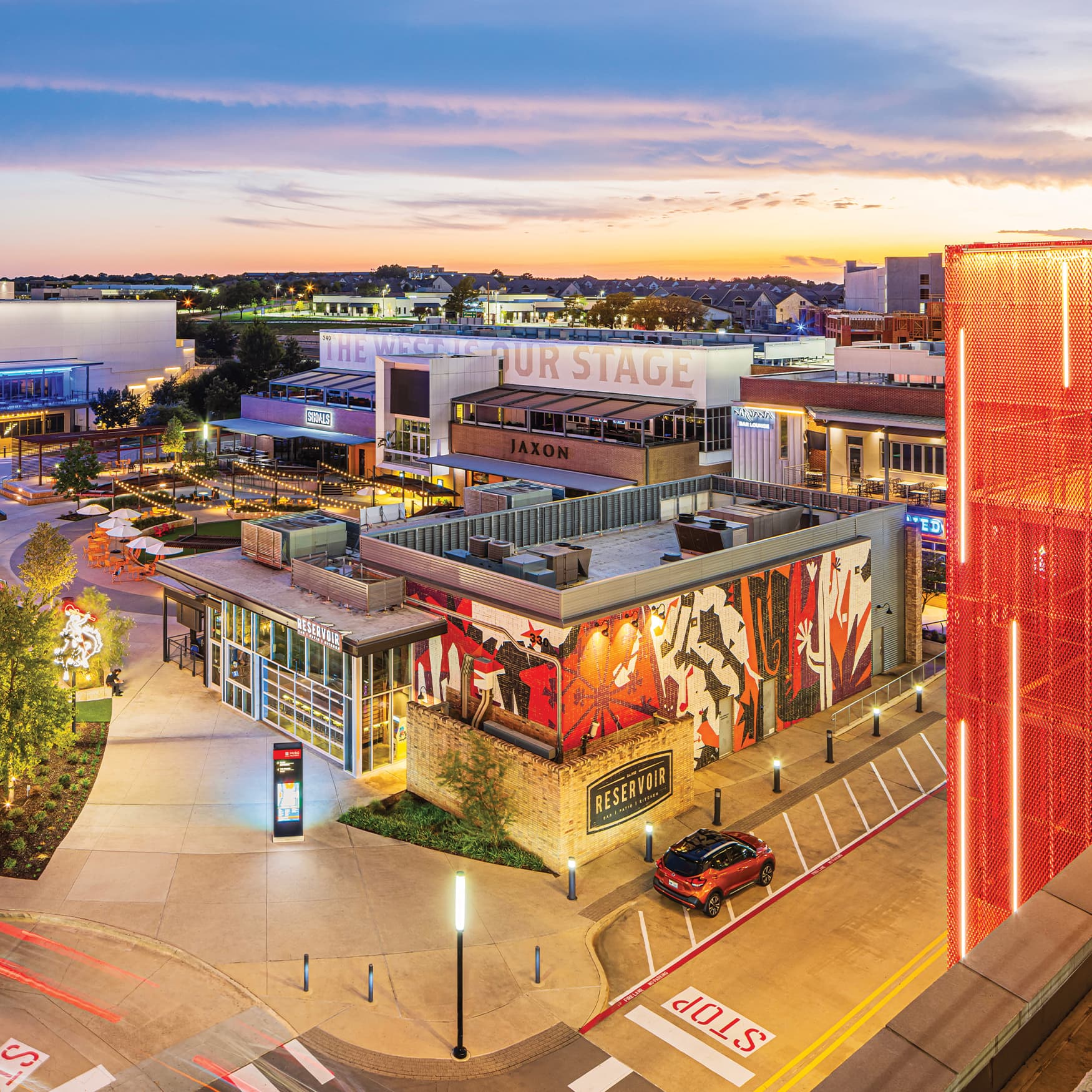
Irving, Texas
Toyota Music Factory
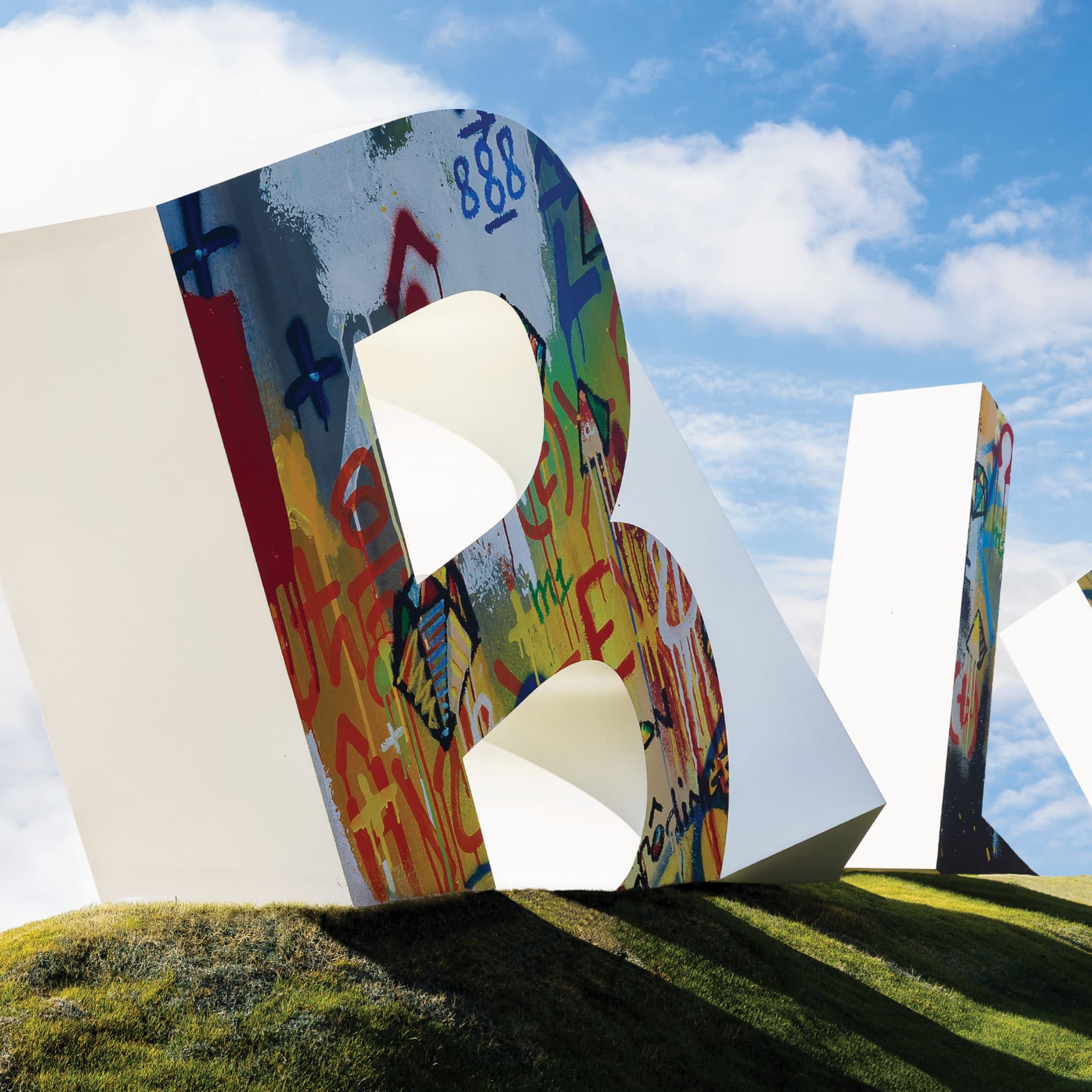
Sherman, Texas
Bel Air Village
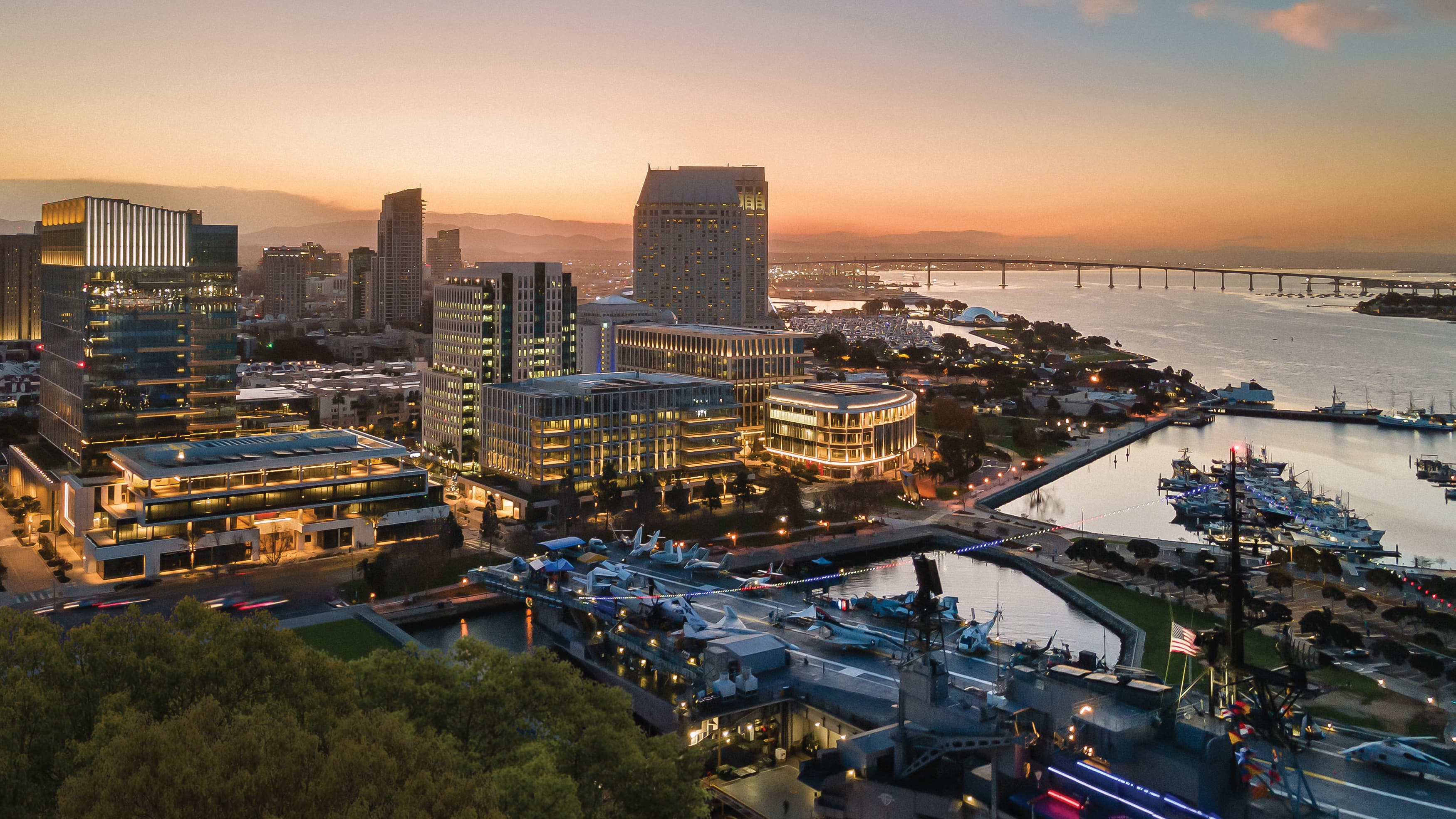
San Diego, California
RaDD: Research and Development District
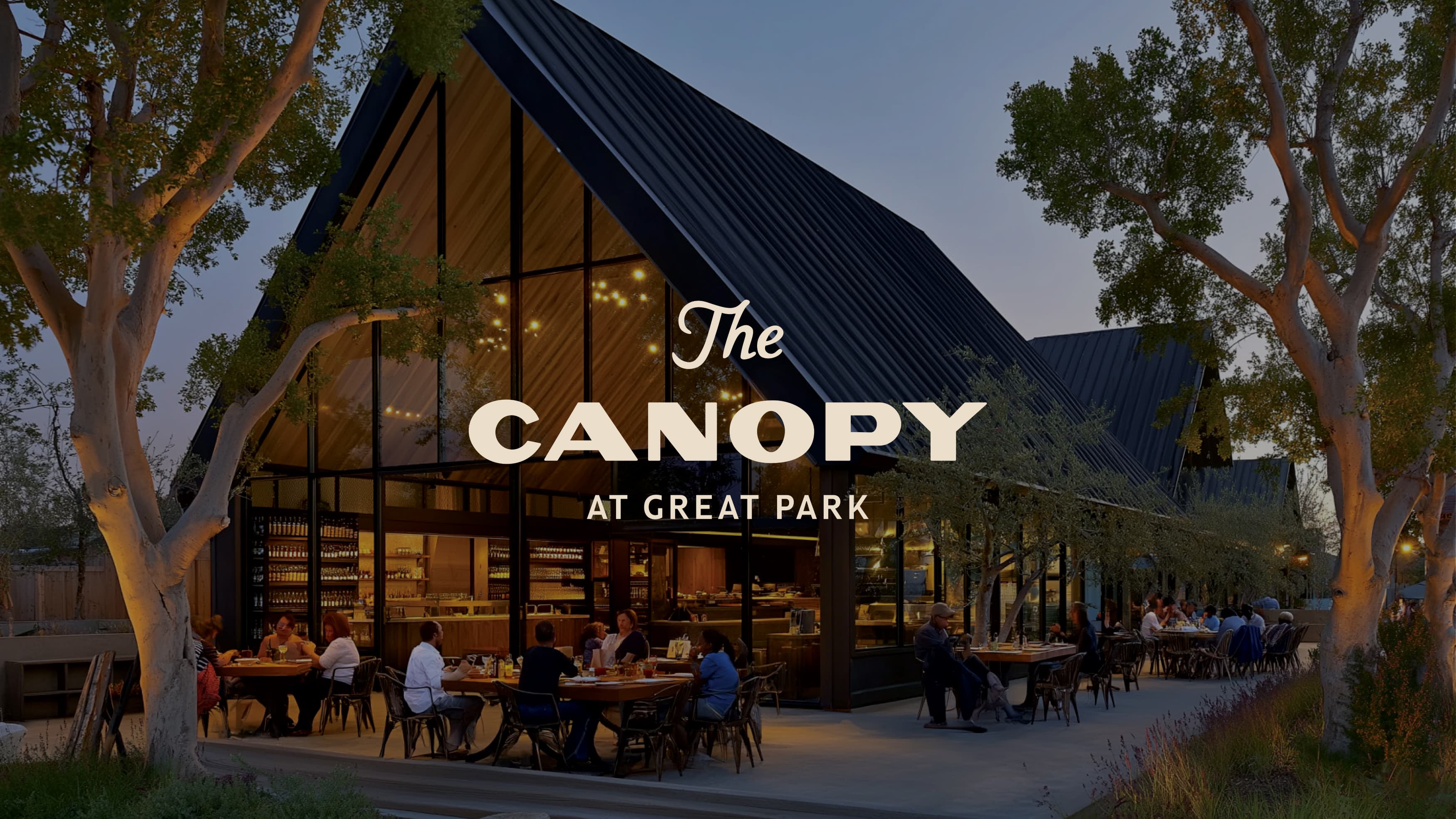
Irvine, California
The Canopy
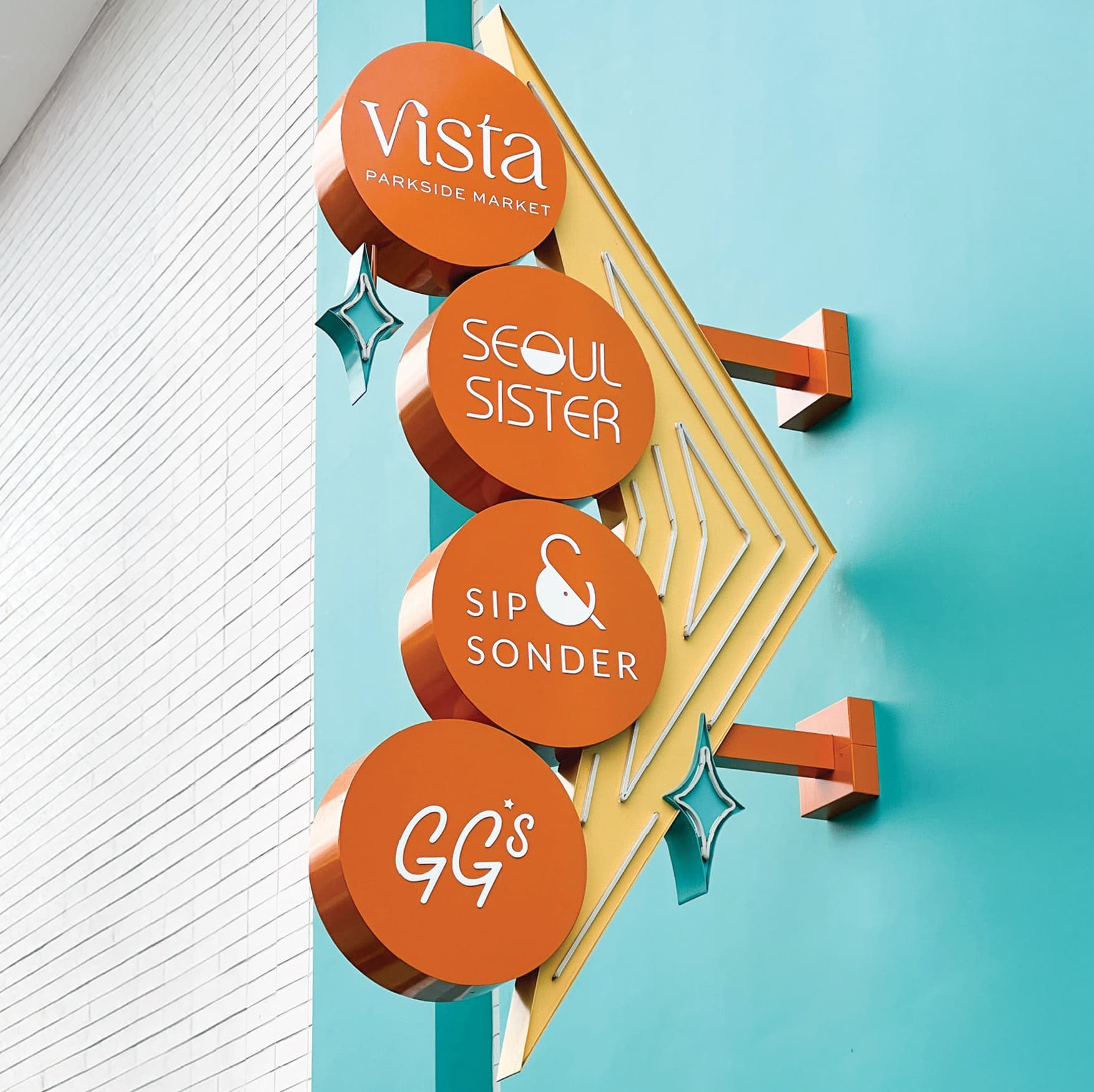
Anaheim, California
Parkside Market
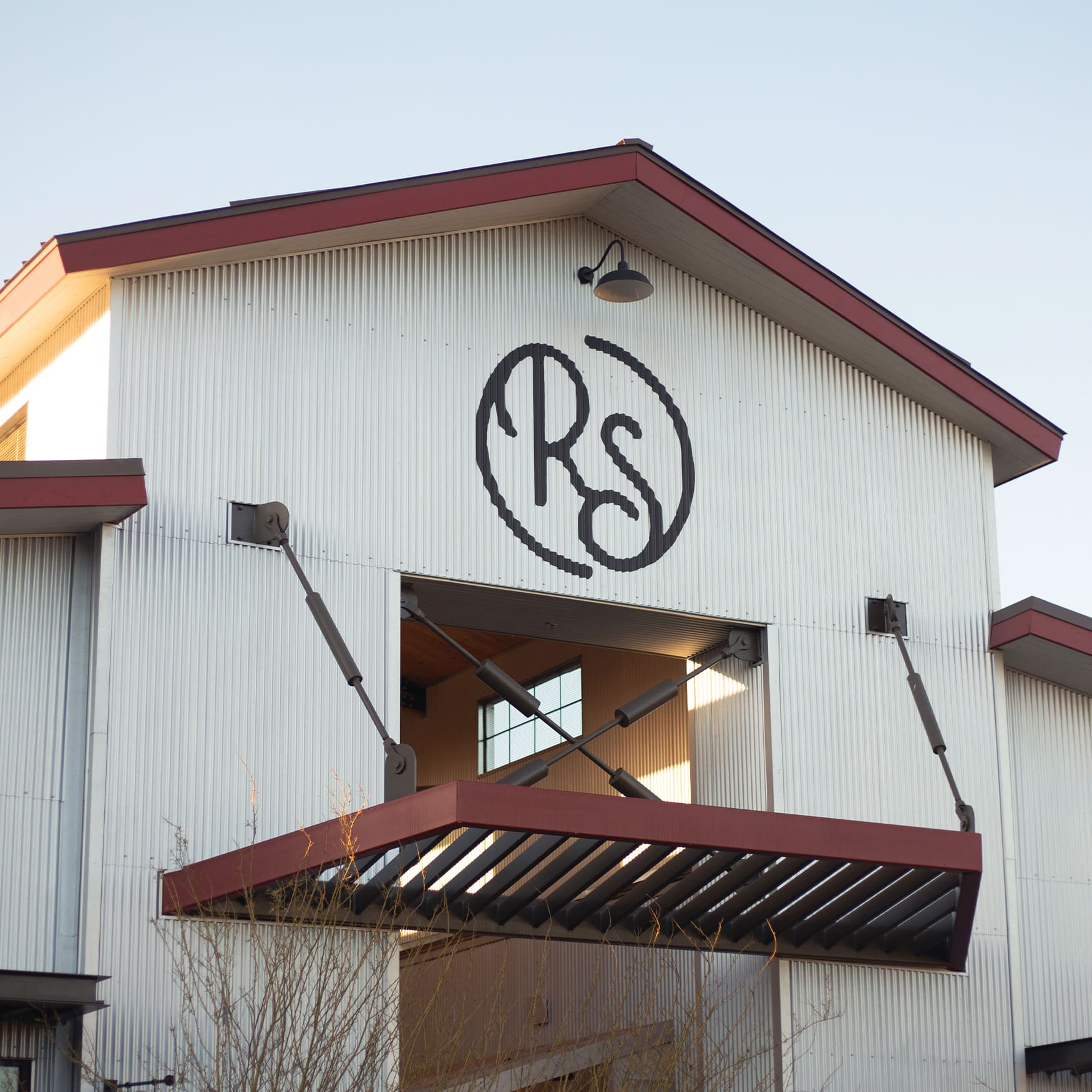
San Juan Capistrano, California
River Street Marketplace
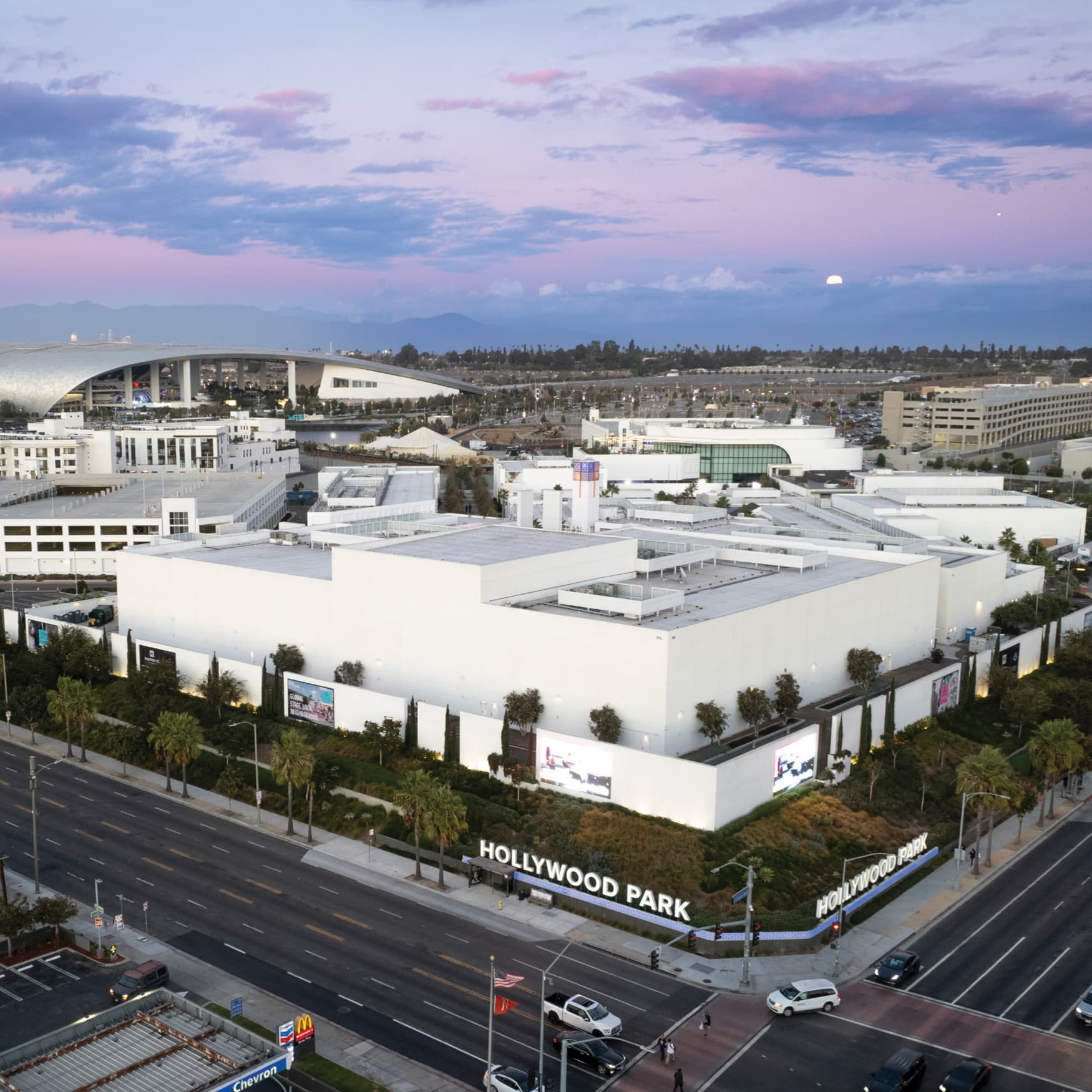
Los Angeles, California
Hollywood Park
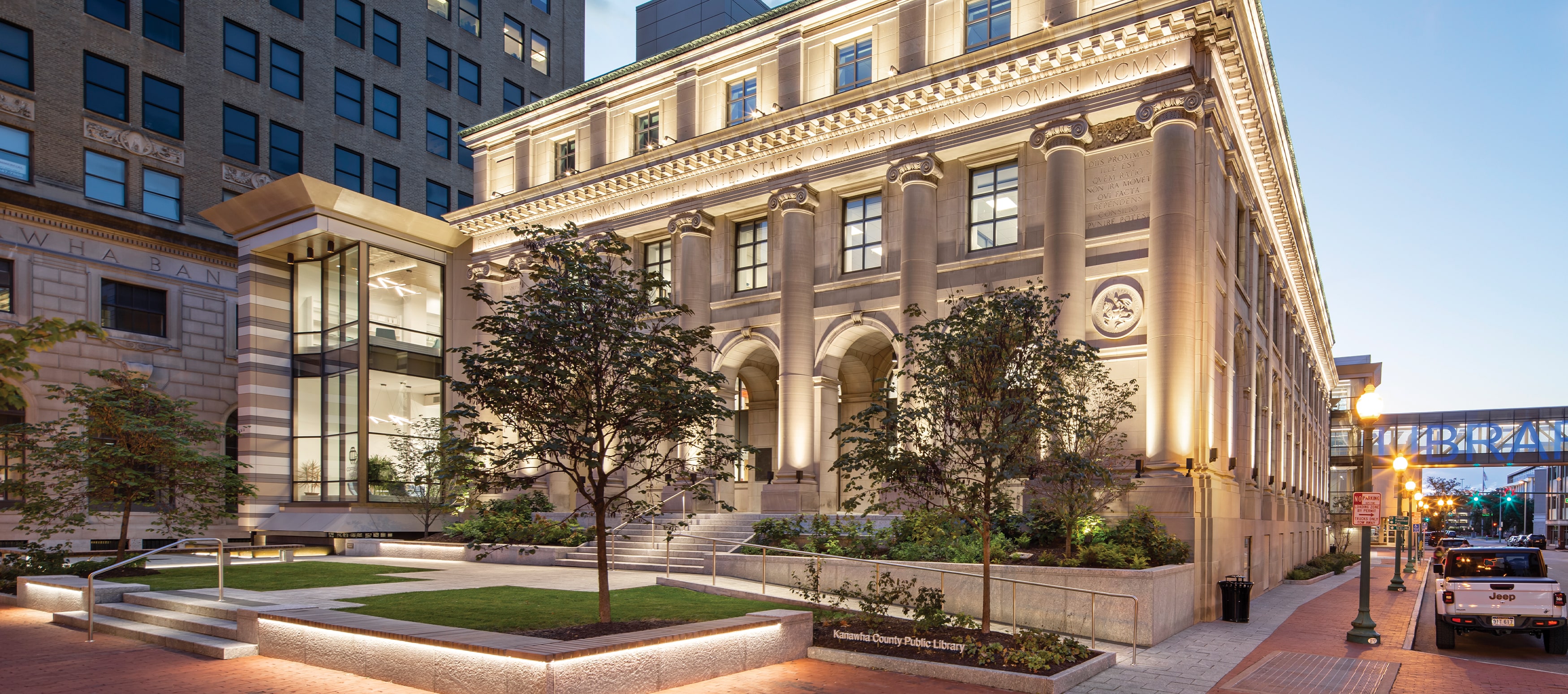
Charleston, West Virginia
Kanawha County Public Library
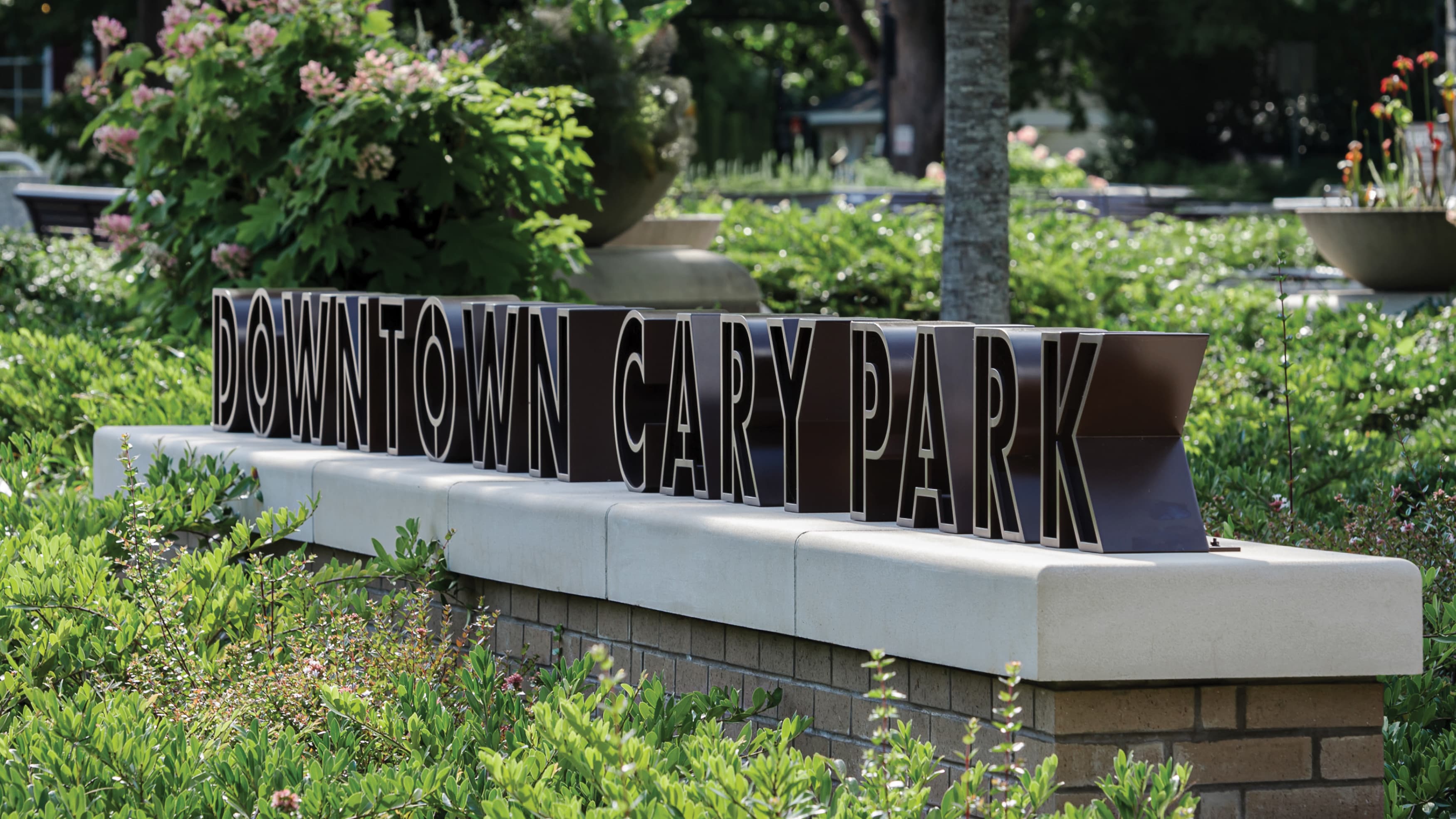
Cary, North Carolina
Downtown Cary Park
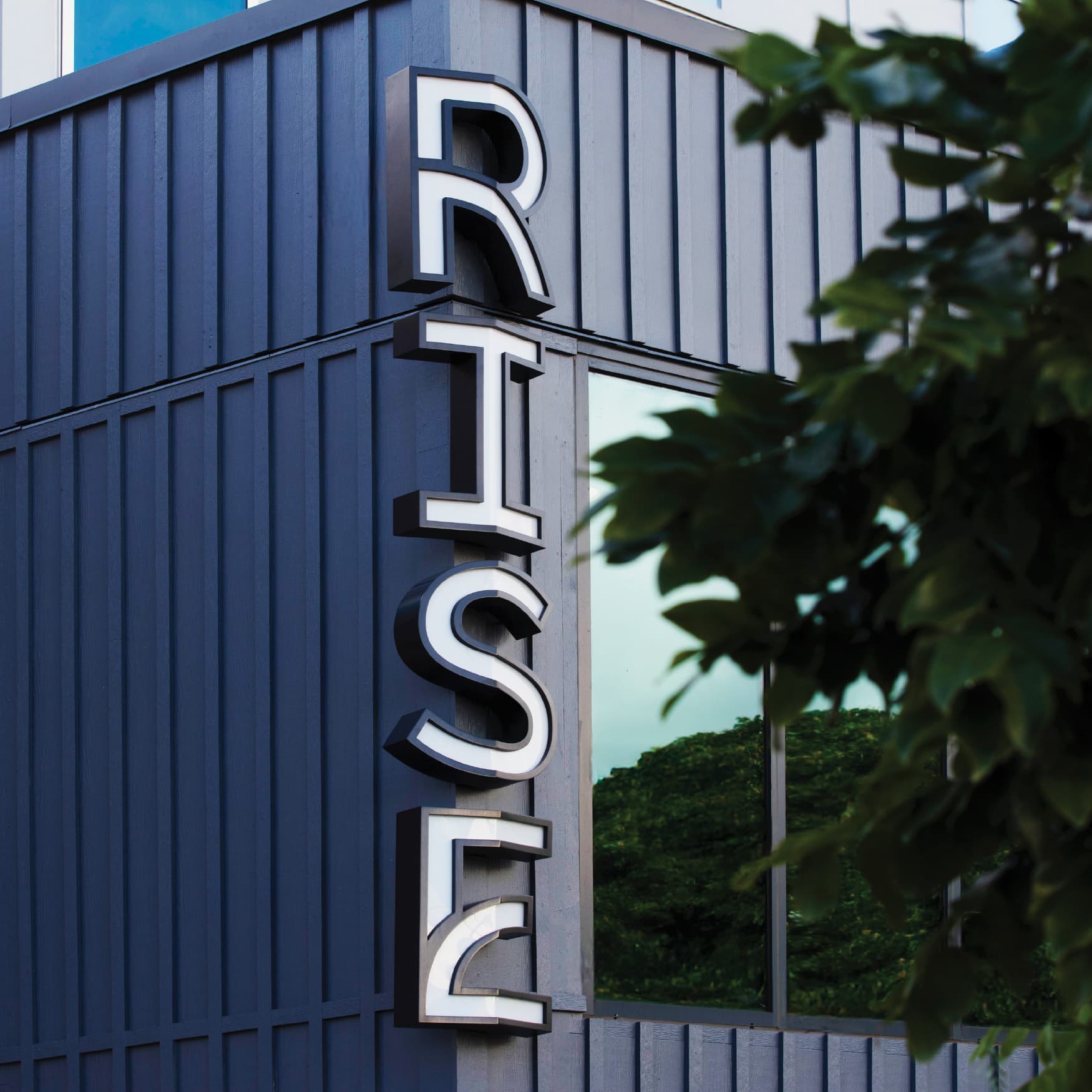
Oahu, Hawaii
Atherton Rise
Why are environmental graphics important?
Crafting a Visual Language
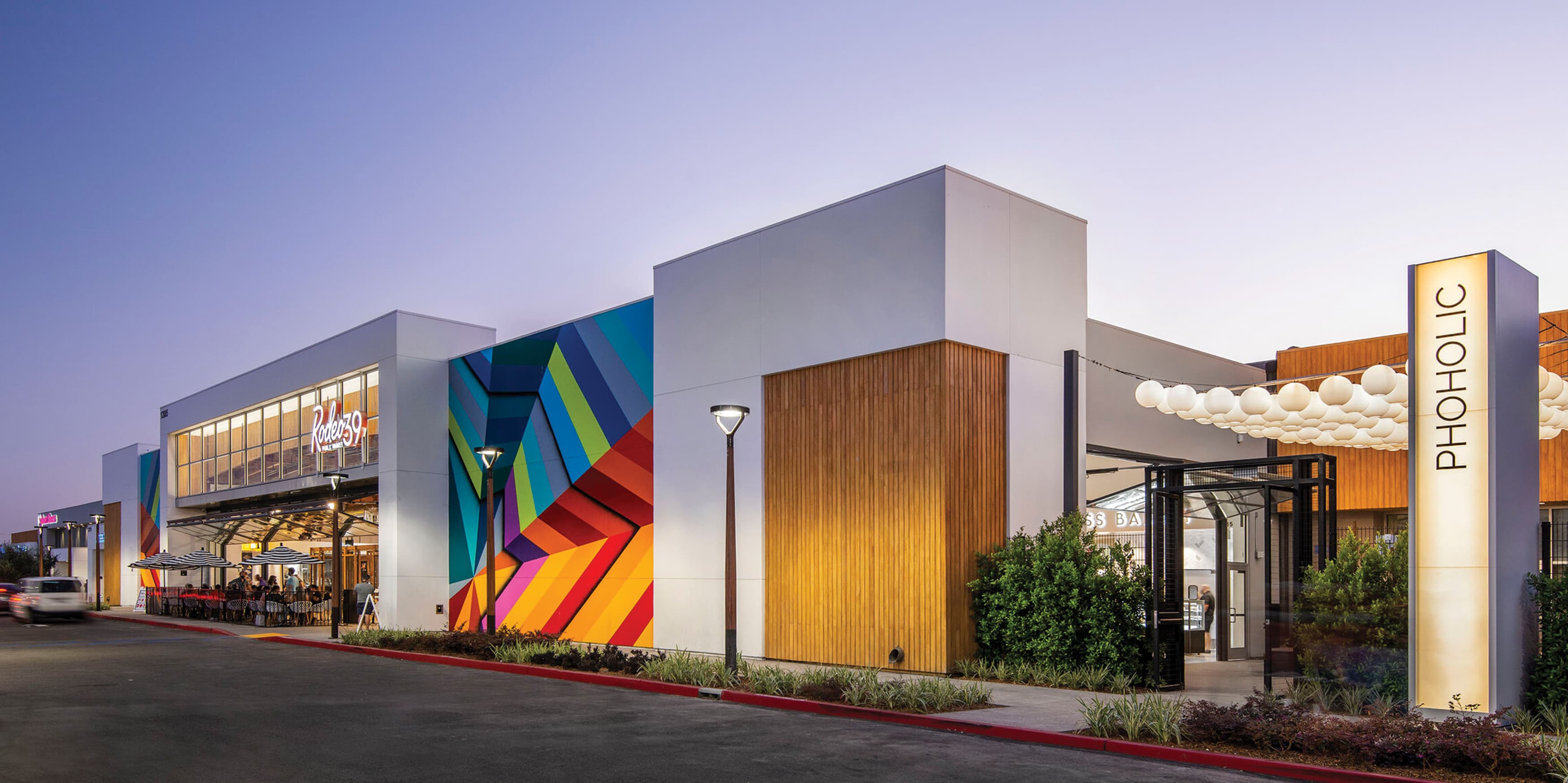
Start by evaluating the unique characteristics of each space, whether it is a bustling urban area or a serene natural setting. By carefully studying the site and its surroundings, we develop a deep understanding of how people interact with the environment and use this knowledge to craft visually impactful solutions that address their needs. In office buildings or healthcare projects environmental graphics play a supporting role to identification and directional signage that creates clarity and certainty for the guests. On the other hand retail and entertainment projects are intently focused on the guest experience. Public art, murals and interactive placemaking is used to create 'wow' moments that people are quick to share with their friends. Each graphic element plays a part in a guest experience that resonates with the local community and informs visitors.
Through the use of typography, color, graphics, and art we shape expressive environments that communicate their unique identity while enhancing the guest experience.
‹ ›
How are graphics used in architecture?
Integration and Strategic Placement
Seamless integration of environmental graphics into new or existing architectural contexts starts with collaboration between design consultants and stakeholders. A unified vision must be established so design teams can work together toward a common aesthetic. An essential aspect is the strategic placement of graphics and signage within a space. Meticulous studies of traffic patterns and key decision points using Kevin Lynch modeling will determine the optimal locations for impactful signage and graphics. Architectural graphics should provide clear and concise information at critical junctures, ensuring that individuals can navigate with confidence.
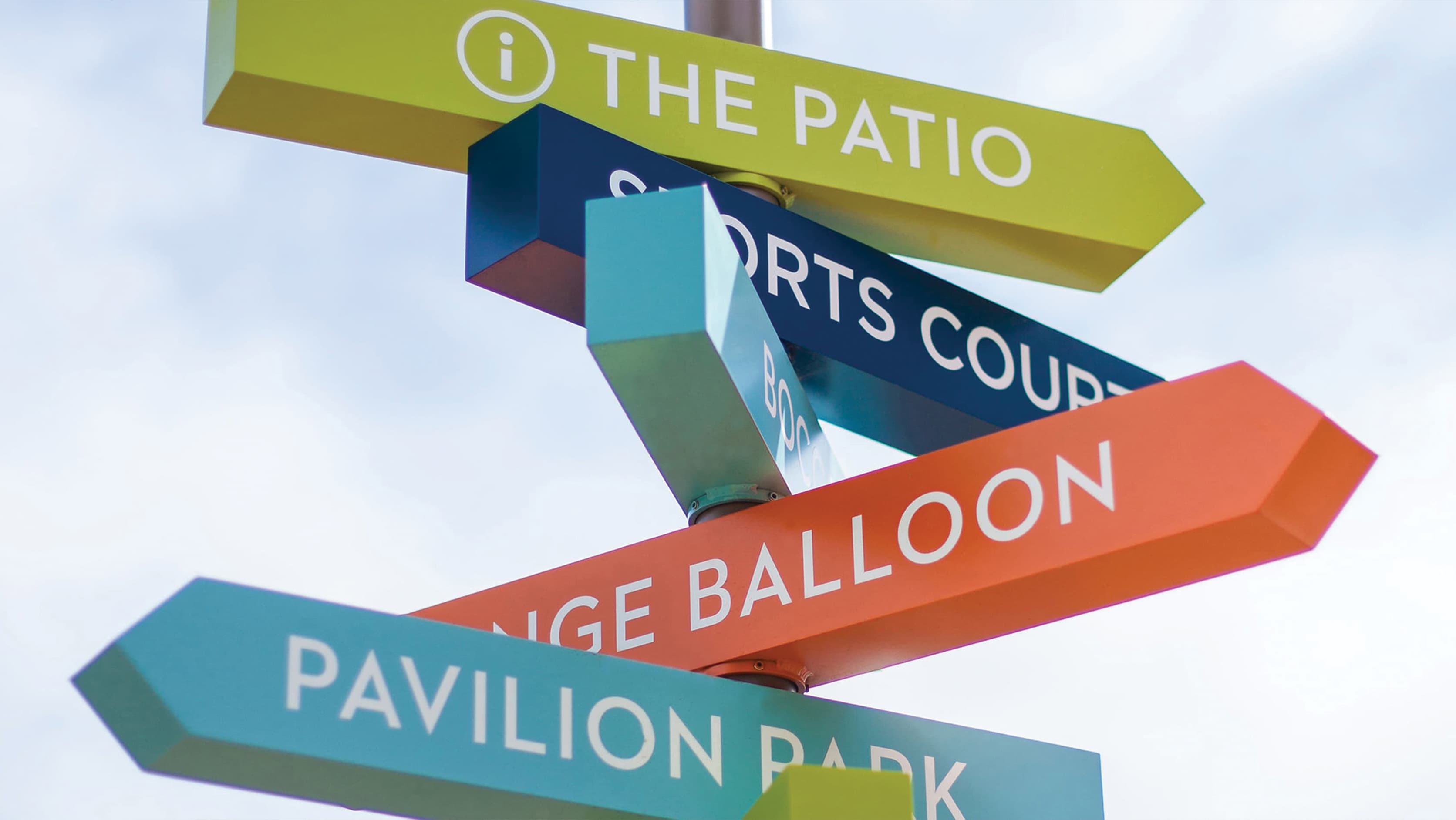
Wayfinding & Signage
Essential in any environment, signage contains branding, maps, symbols, color, and typography to orient the user to the surrounding area and inform their decision making.
More wayfinding
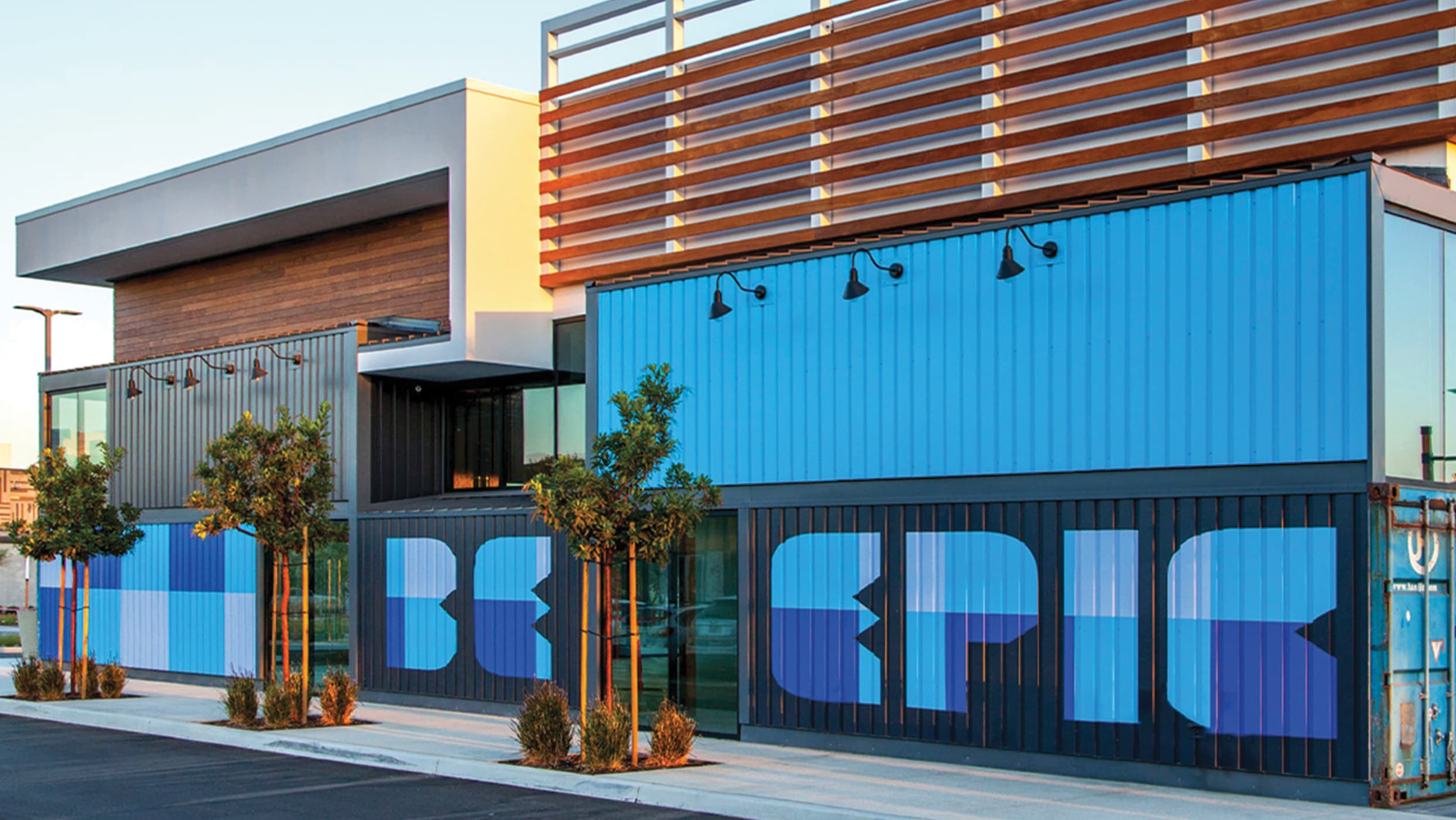
Art, Murals & Sculpture
These elements can be the main attraction or a small spark of delight for visitors to discover. Either way they play a role in how a place feels to the guests. It can have a functional undertone while displayed as an element for pure enjoyment.
More Public Art & Murals
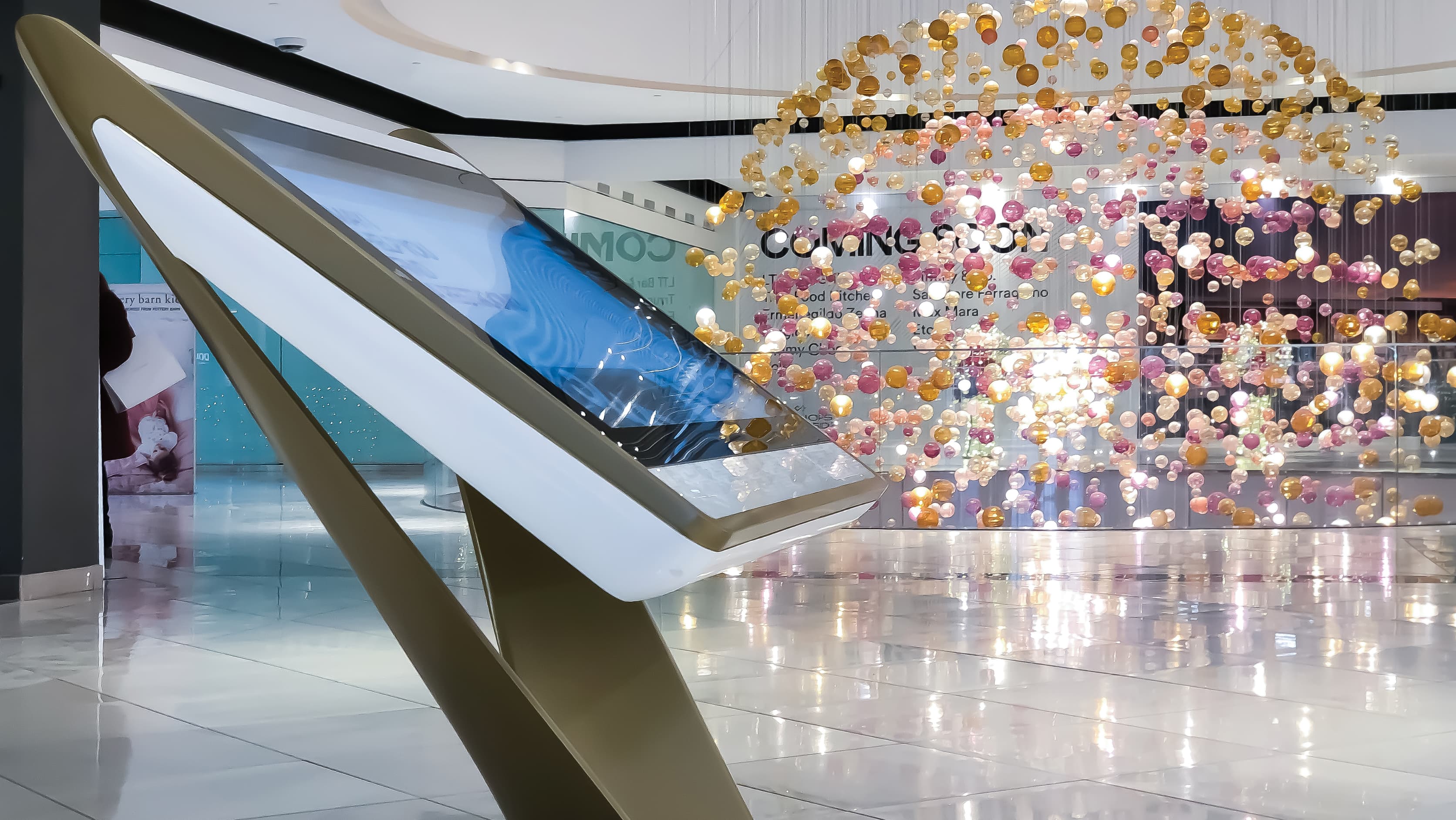
Interactive Experiences & Media
People can become a part of the brand by engaging in new ways. AR & VR have opened the doors to two way communication where the guest can tailor the experience to their preferences.
More digital integration
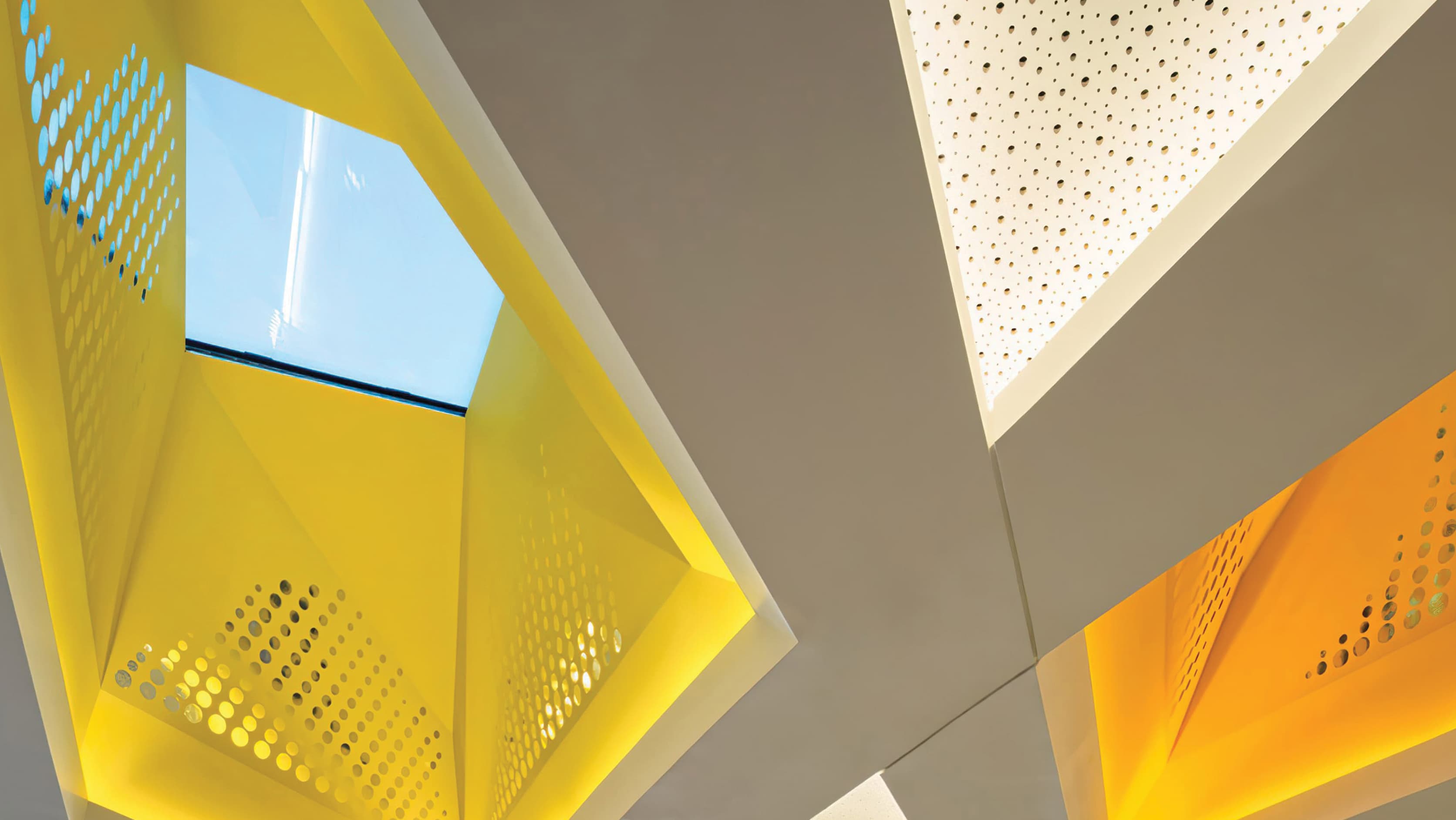
Architectural Graphics
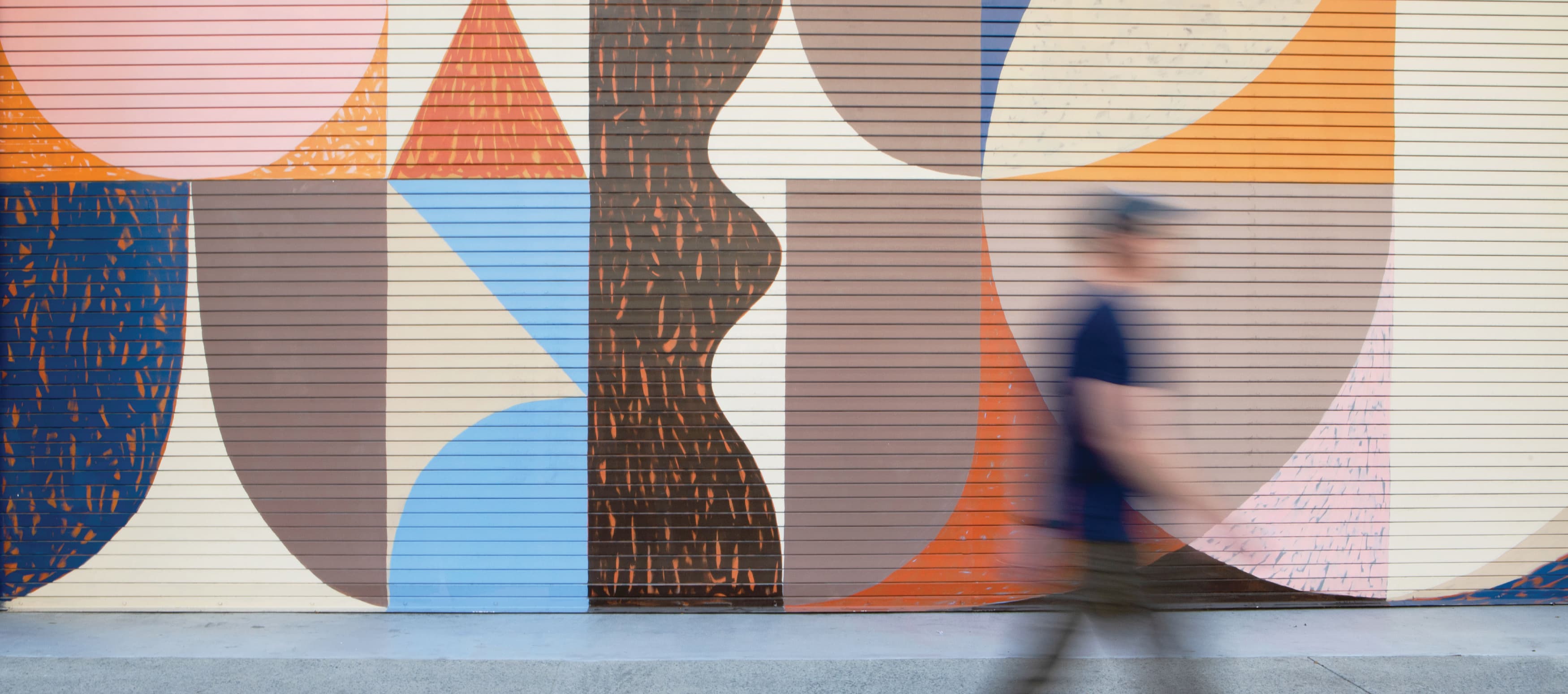
The integration of visual elements directly onto surfaces of buildings or structures. This could be large scale murals, patterns, or artwork that enhances the aesthetics and character of the space while providing visual cues for wayfinding.
More architectural graphics
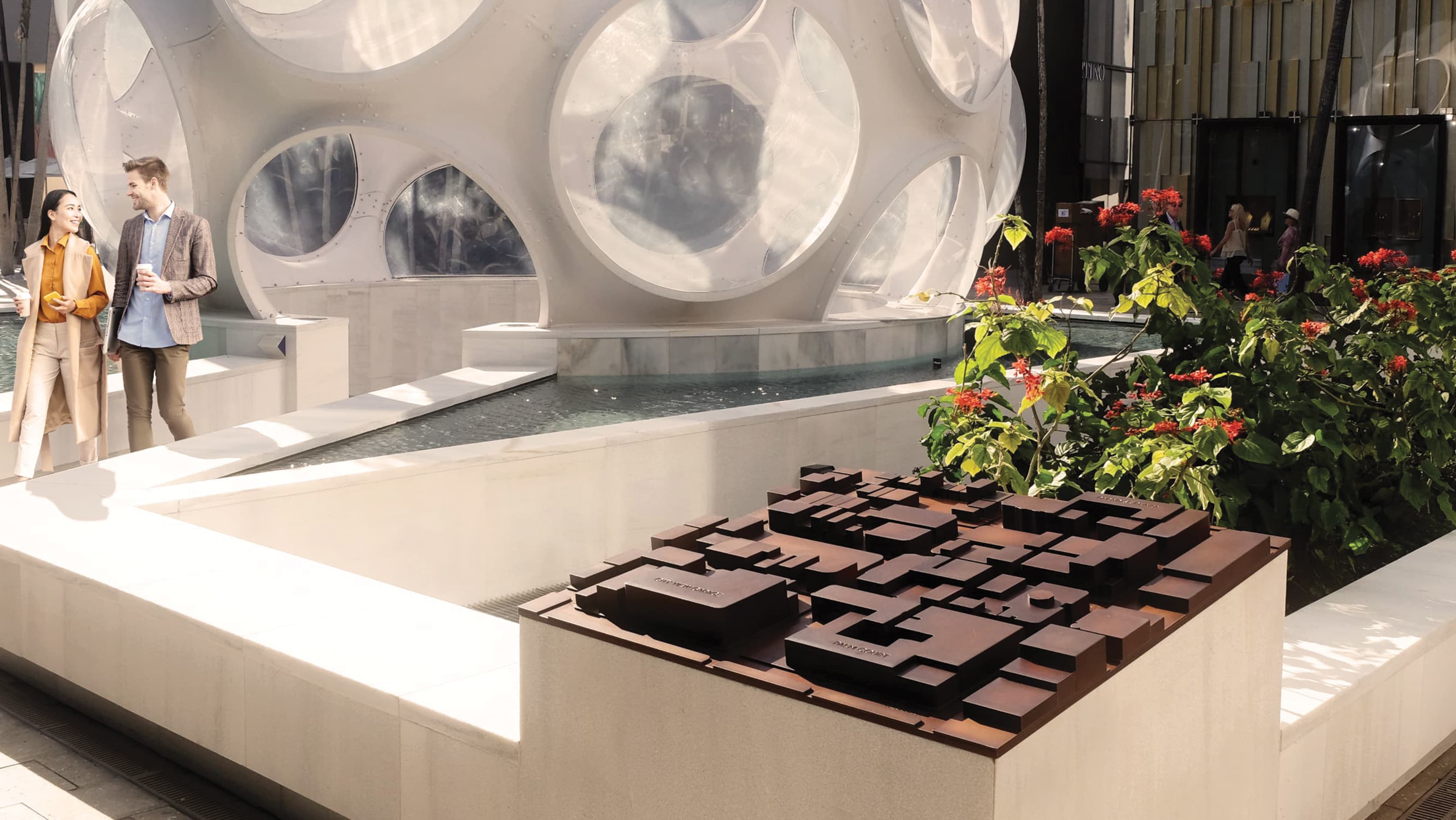
Public Installations
Public installations are creative works of art or design that aim to engage and captivate passersby, contributing to the cultural richness and aesthetic appeal of a community.
More public installations
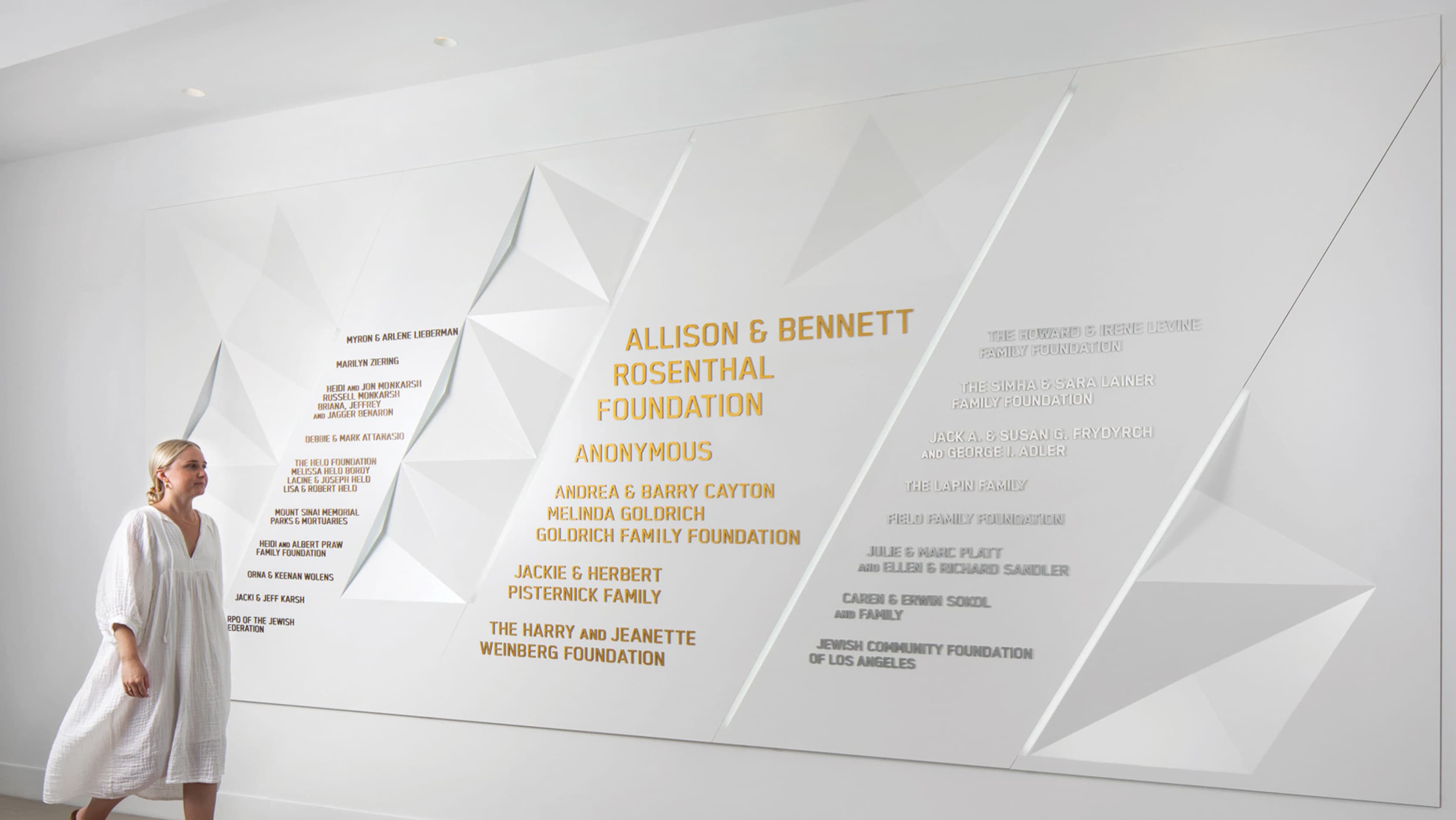
Exhibit Design
Creating immersive and engaging experiences for visitors in spaces like museums, galleries, trade shows, and other public venues.
More exhibits
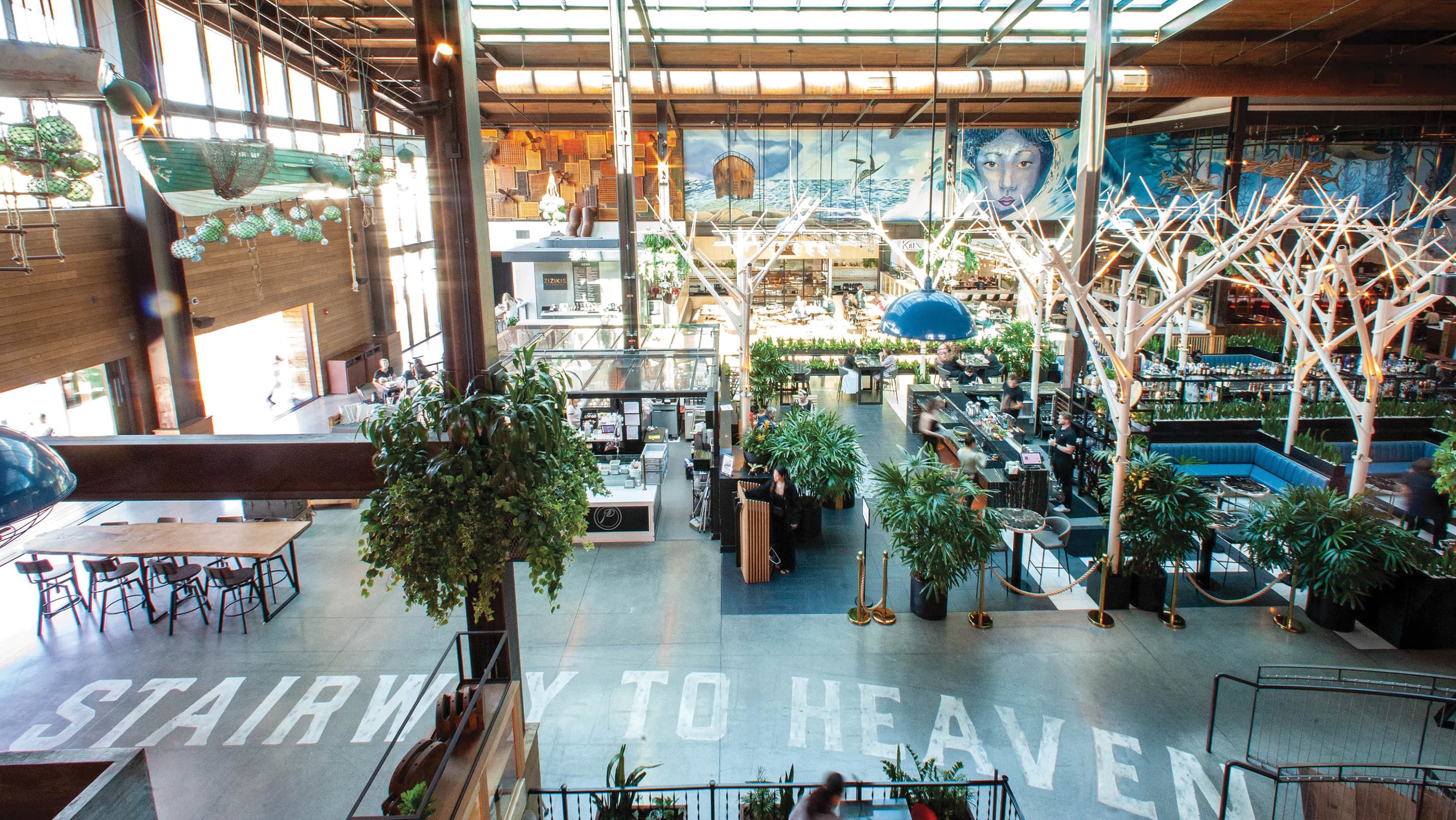
Placemaking Design
Placemaking is the process of designing and transforming public spaces to enhance their quality, appeal, and functionality, fostering a sense of community and identity.
More placemaking
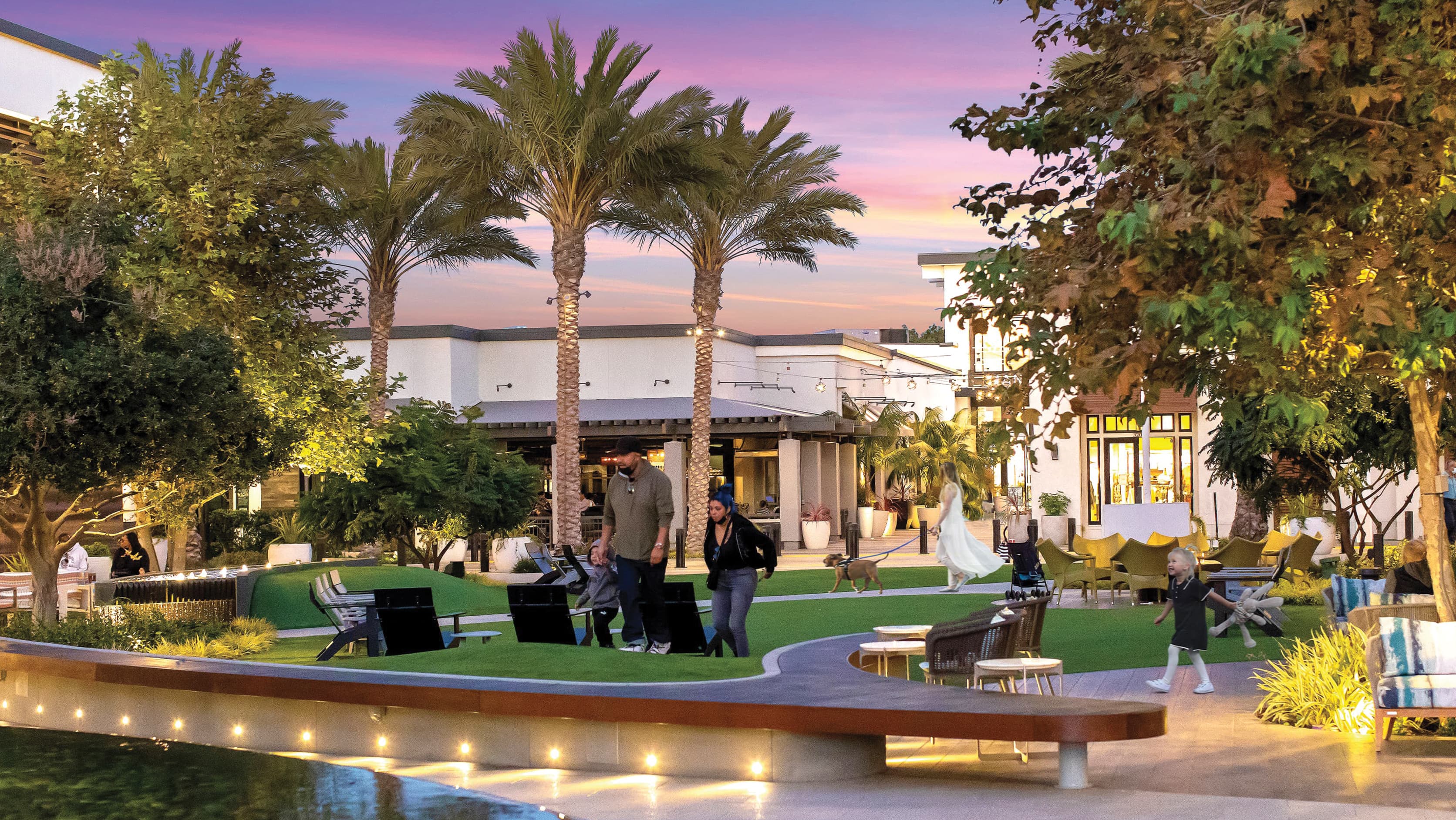
Furniture & Fixtures
Furniture and fixtures are integral components in creating immersive, branded, and user-centric experiences within a place. The integration of these elements contributes significantly to the overall success of an environmental graphic design strategy.
The goal is to help people connect with the unique sense of place
How do you translate brick and mortar into narratives that help people make meaningful and personal connections to a place? People, groups, or communities are the reason we build places so they must remain the primary focus. It all starts with human needs and designers use certainty, variety, and delight to satisfy human needs on multiple levels.



01 /
Certainty
Maps, Arrows, Labels, Symbols
Certainty deciphers the environment for the user and primarily identifies uses, assists with navigation, and directs traffic. One can let their guard down with the understanding of the environment, and these elements of certainty provide assurance and comfort. All aspects of the wayfinding profile assist in creating certainty for the user.
02 /
Variety
Scale, Color, Pattern, Form
Variety keeps things interesting while providing a functional breakdown of the overall experience into smaller, more intimate experiences. These varying areas denoted by differing elements carry the same DNA origins, but help with the user’s cognitive mapping of an environment.
03 /
Delight
Sculpture, Art, Whimsy, Surprise
Delight is the fun part—it’s the colorful sculpture or mural or unexpected feature where people want to engage and experience on an emotional level. These landmark moments add to the wayfinding experience in subtle, intuitive ways and typically inform the personality of the place through interpretation of various influences such as culture, community, history, and emotion.
Environmental Graphic Design Markets
Our expertise lies in crafting compelling visual narratives that enhance brand identity, enrich visitor experiences, and seamlessly integrate with the built environment. With a focus on creating memorable spaces that captivate audiences and drive meaningful engagement environmental graphic design is expressed in varying ways depending on the type of project.
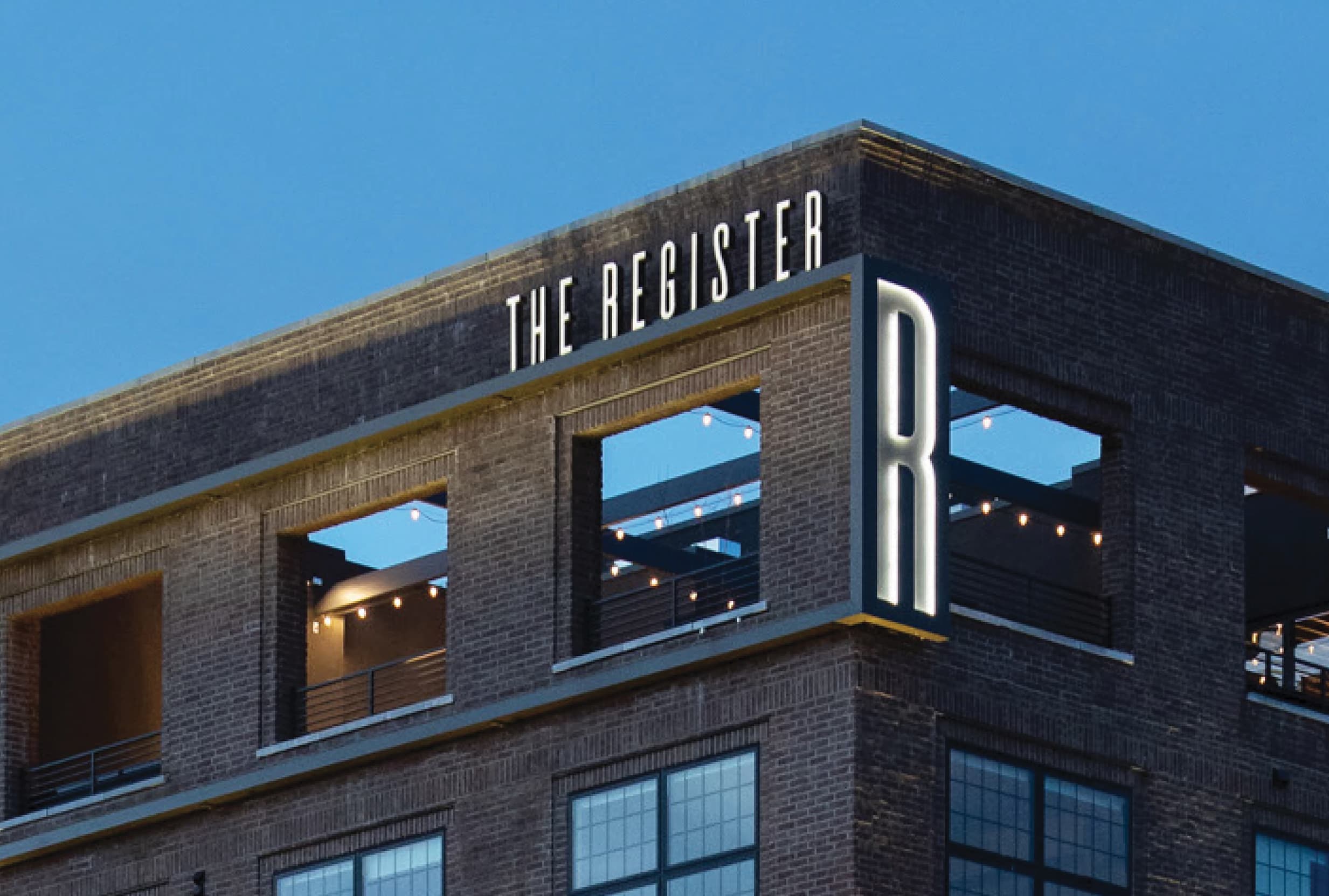
Mixed-Use Environmental Graphics
Environmental graphic design is especially important in mixed-use projects to differentiate areas and the needs of each.
Read more
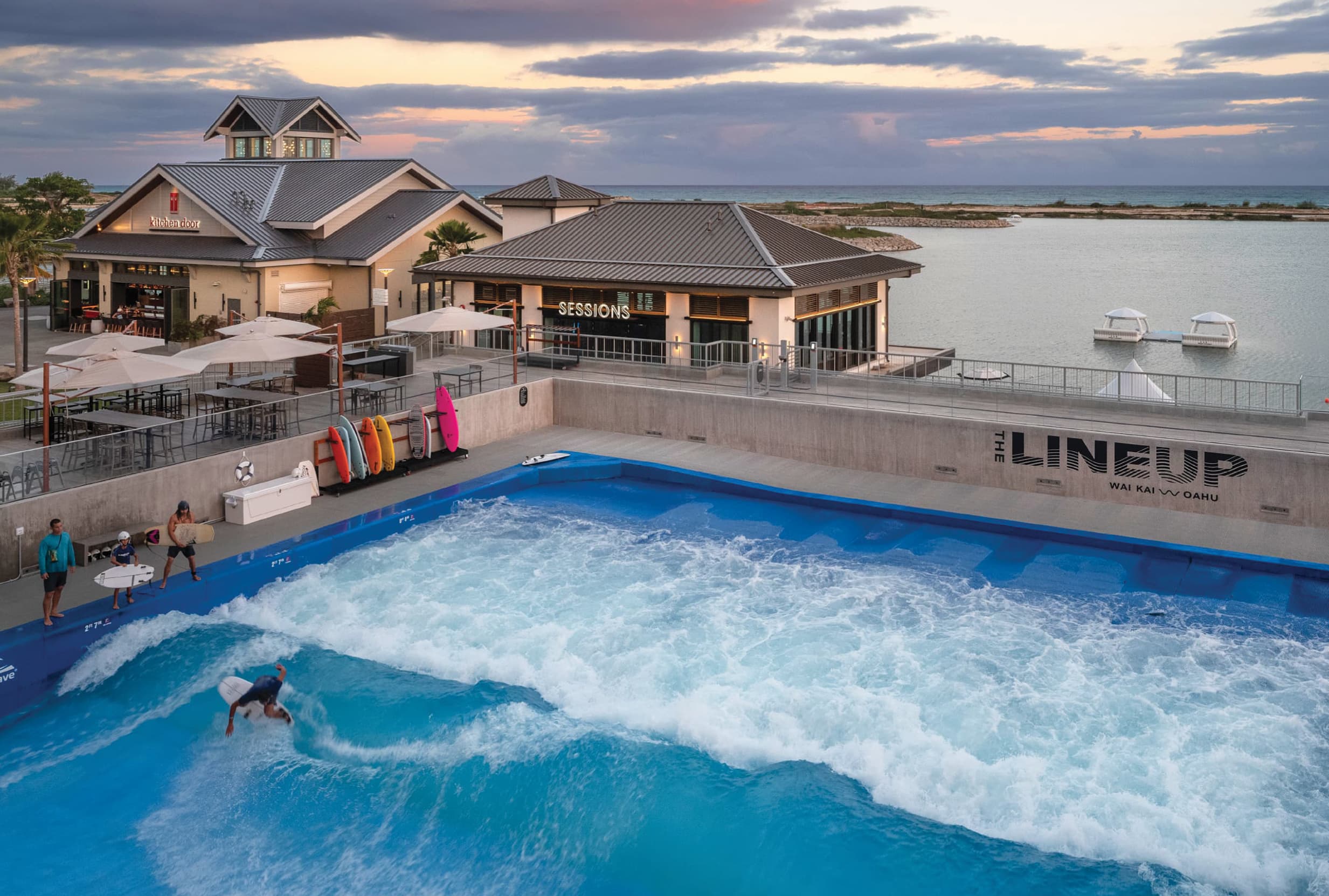
Sports & Entertainment Graphics
Dynamic environmental graphics for sports and entertainment venues to enhance spectator experiences and promote engagement
Read more
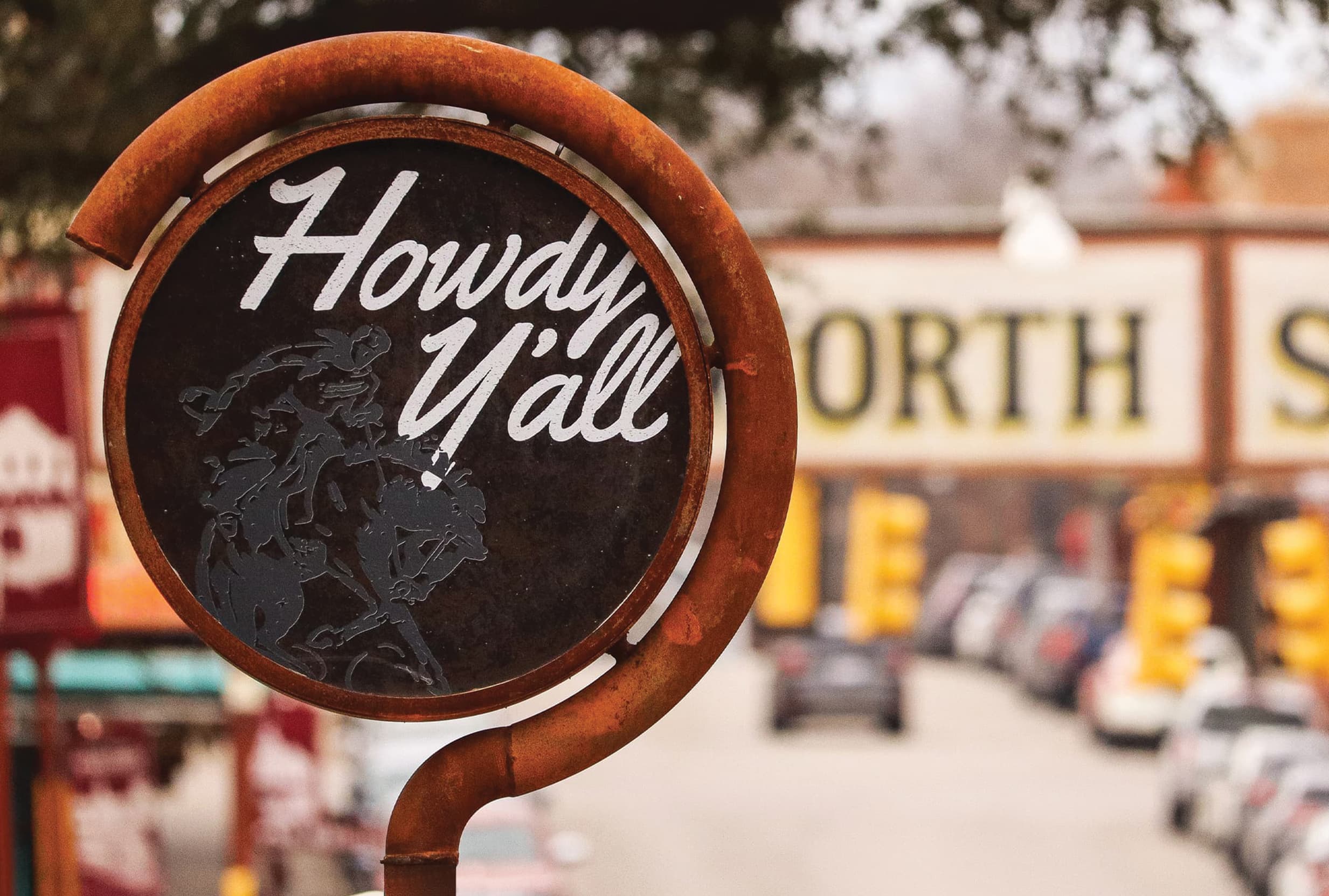
Civic Environmental Graphic Design
Vibrant environmental graphic design for cities and public places that enrich urban experiences and foster community engagement.
Read more
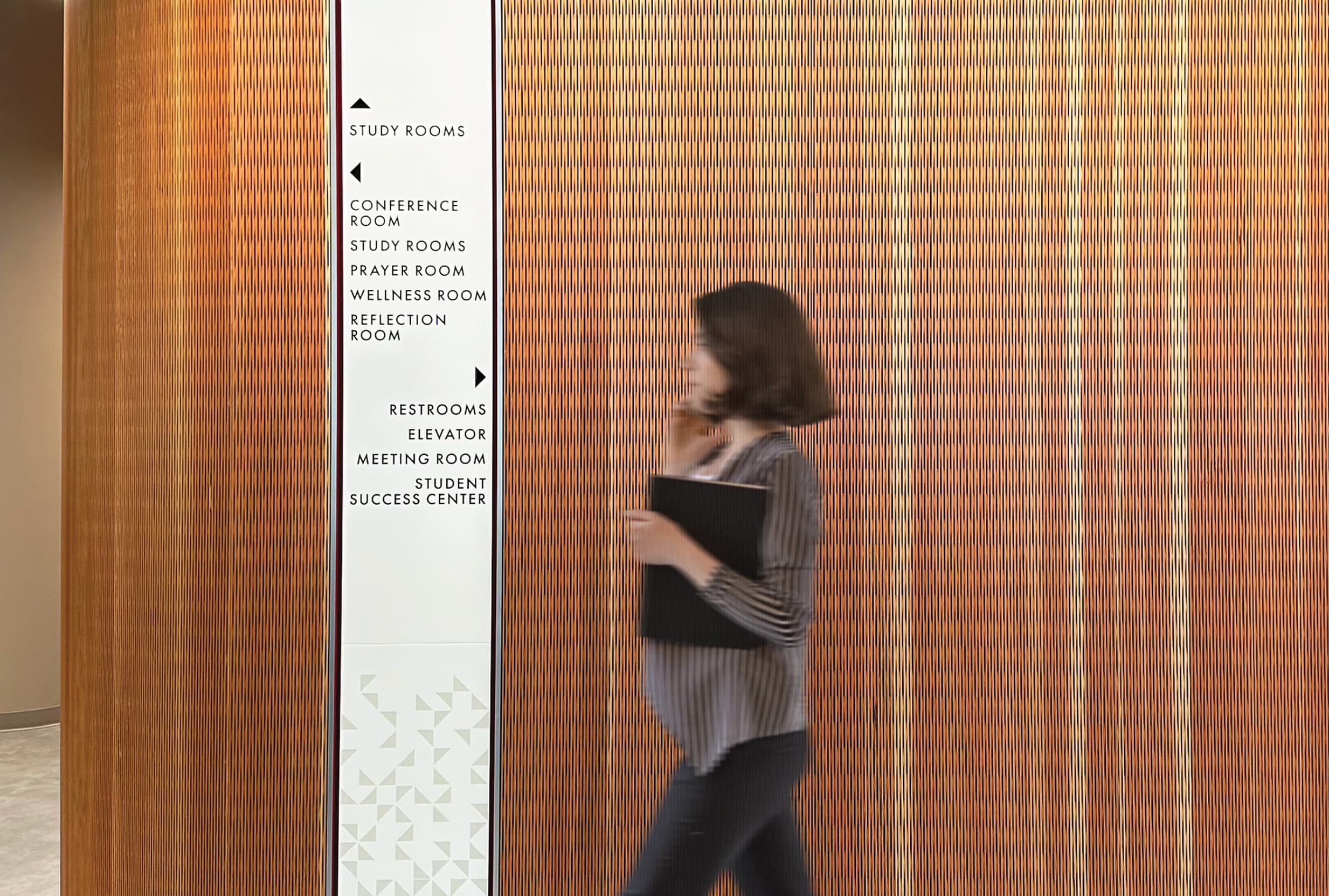
School & University Design
Environmental graphic design for educational settings to enrich learning environments and elevate the student experience.
Read more
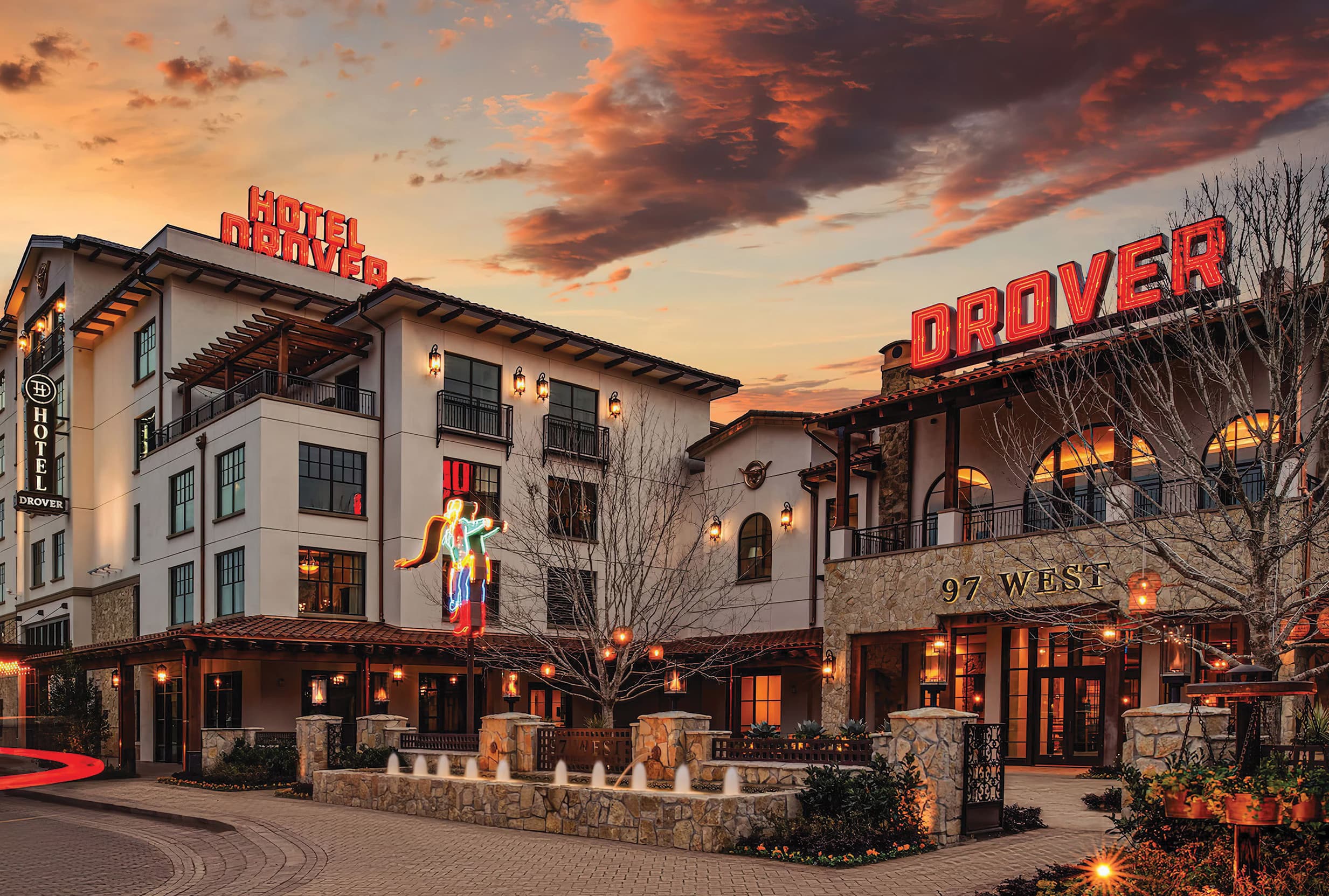
Hospitality Environmental Graphics
Elevating the guest experience and enhancing the overall atmosphere of resorts and hotels.
Read more
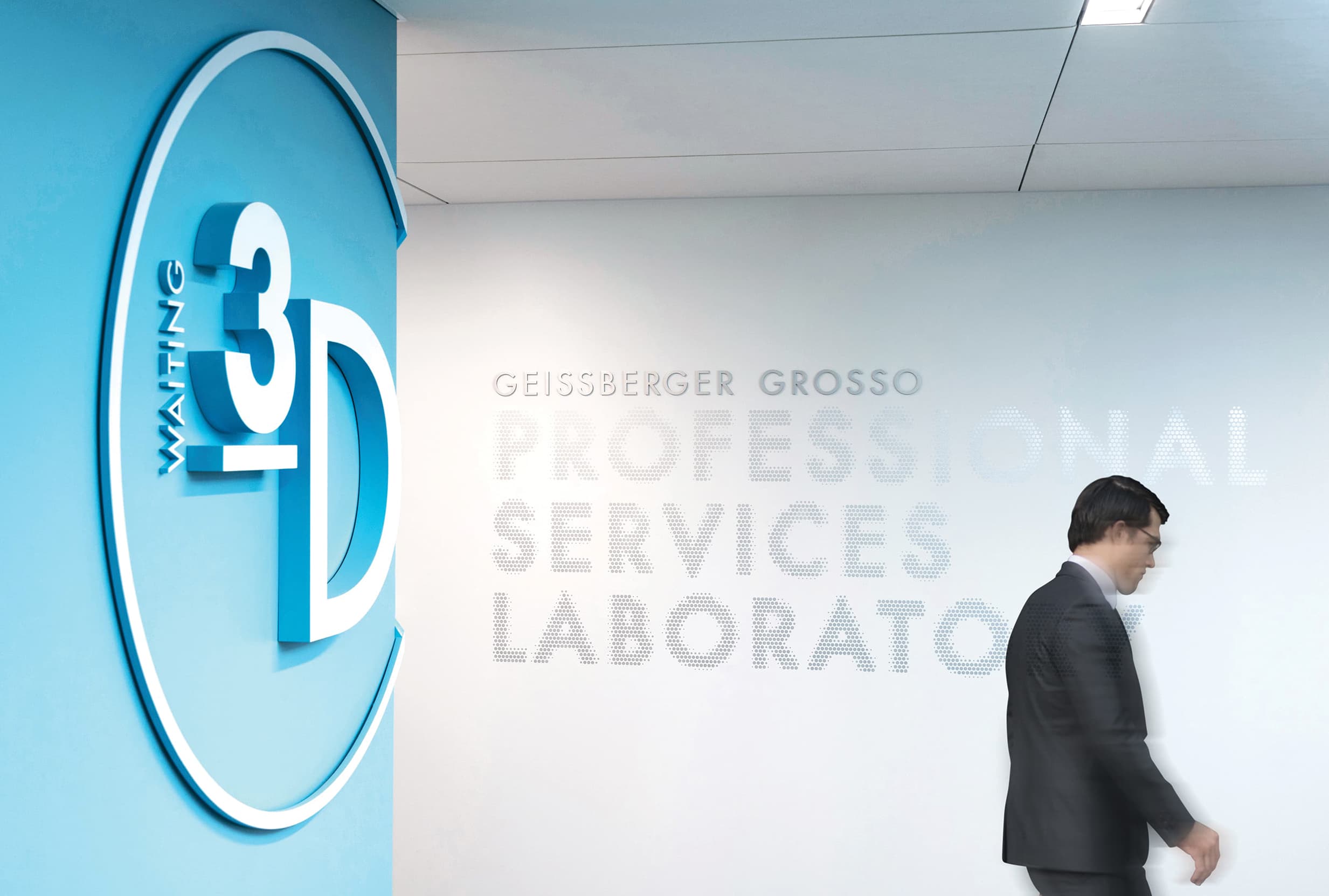
Healthcare Environmental Graphics
Healthcare-focused environmental graphic design that improves patient visits and contributes to healing environments.
Read more
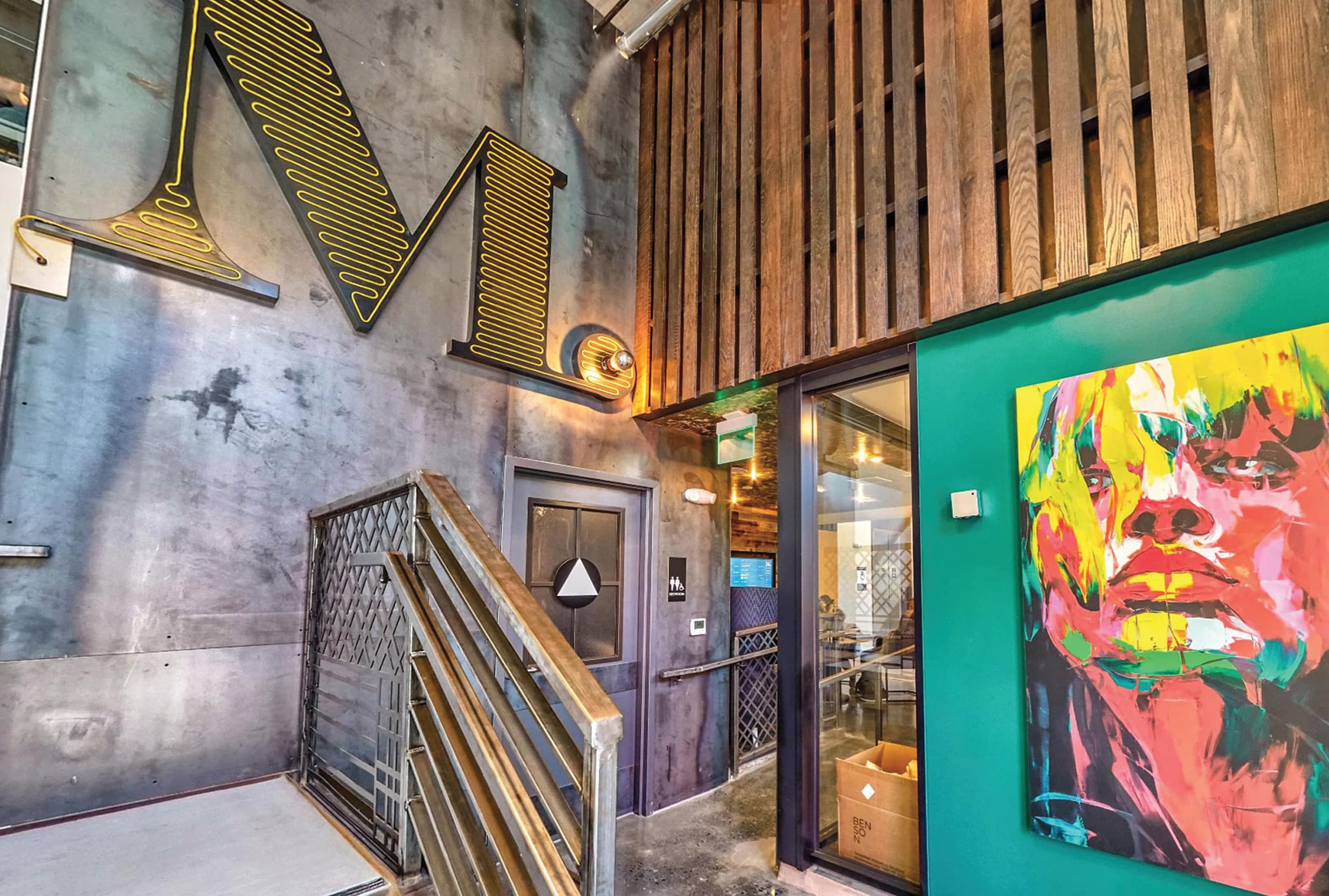
Residential Environmental Graphics
Environmental graphic design for all residential property types with the goal of elevating the overall ambiance of places people live.
Read more
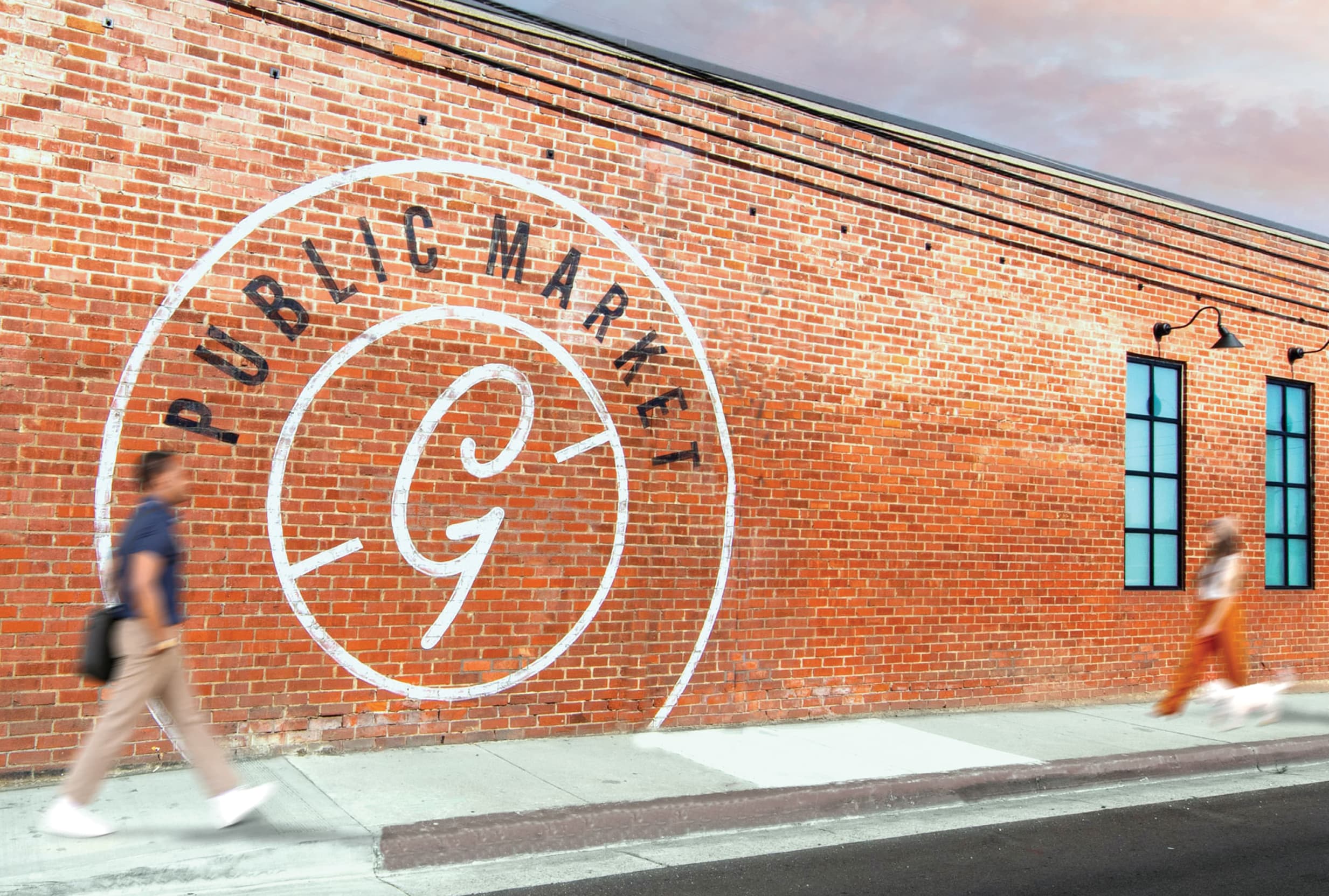
Public Market Graphics
Elevating the experience and contribute to the vibrancy of the marketplace through transformative graphics and expression of the surrounding area.
Read more
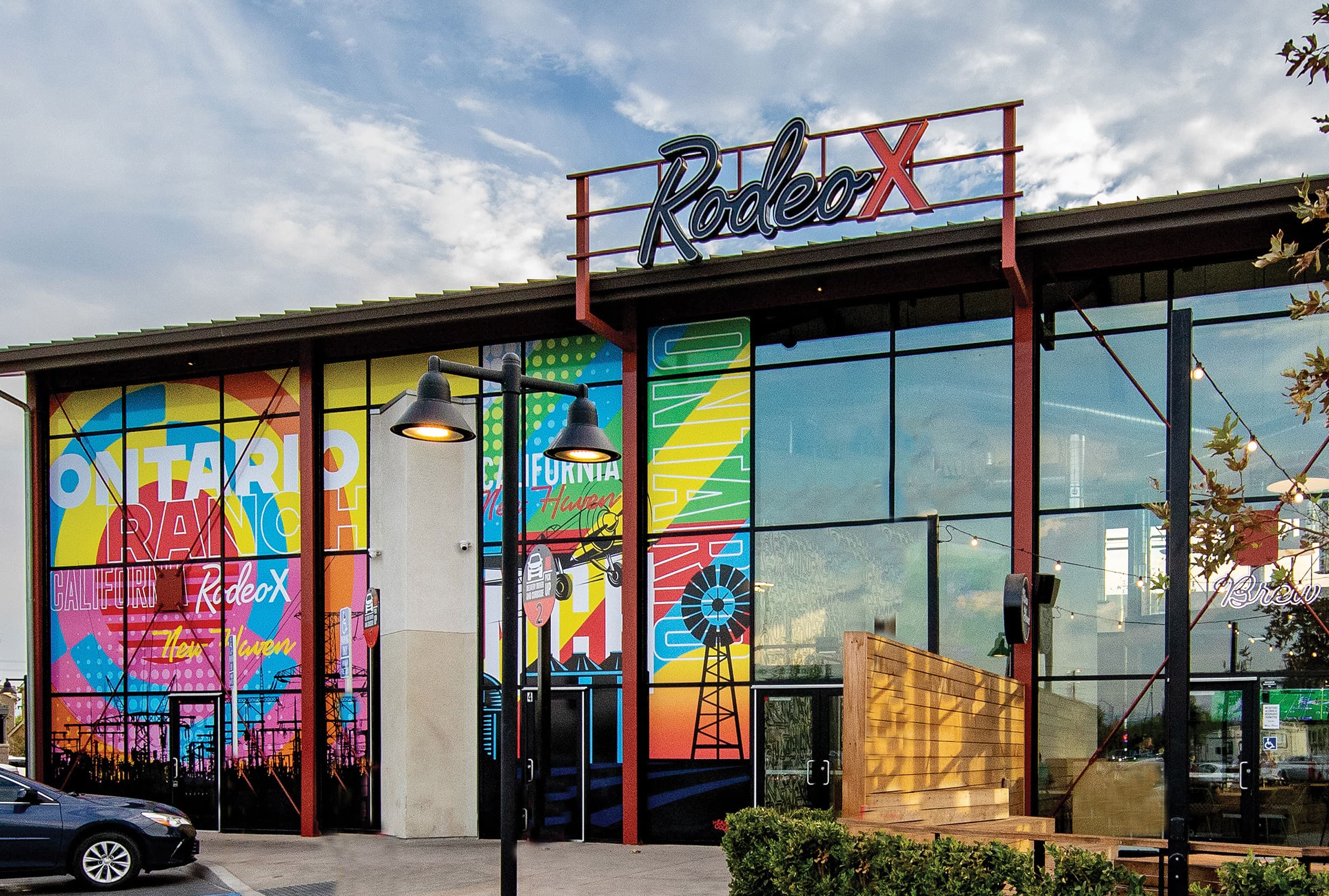
Retail Environmental Graphic Design
Environmental graphics for retail spaces to enhance customer experiences and elevate brand engagement.
Read more
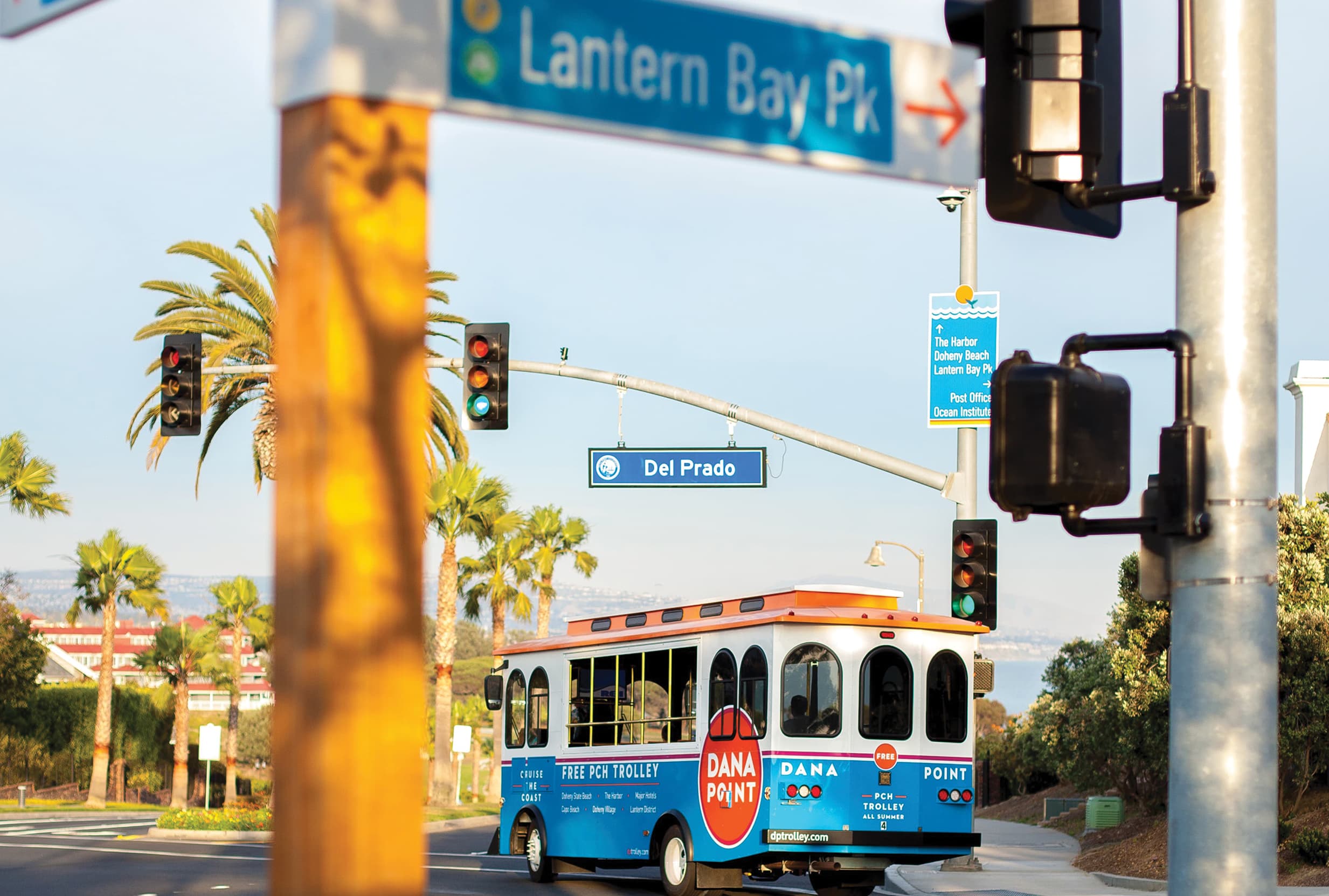
Transportation Design
Transportation-focused environmental graphic design facilitates navigation and improves passenger experiences across various modes of transit.
Read more
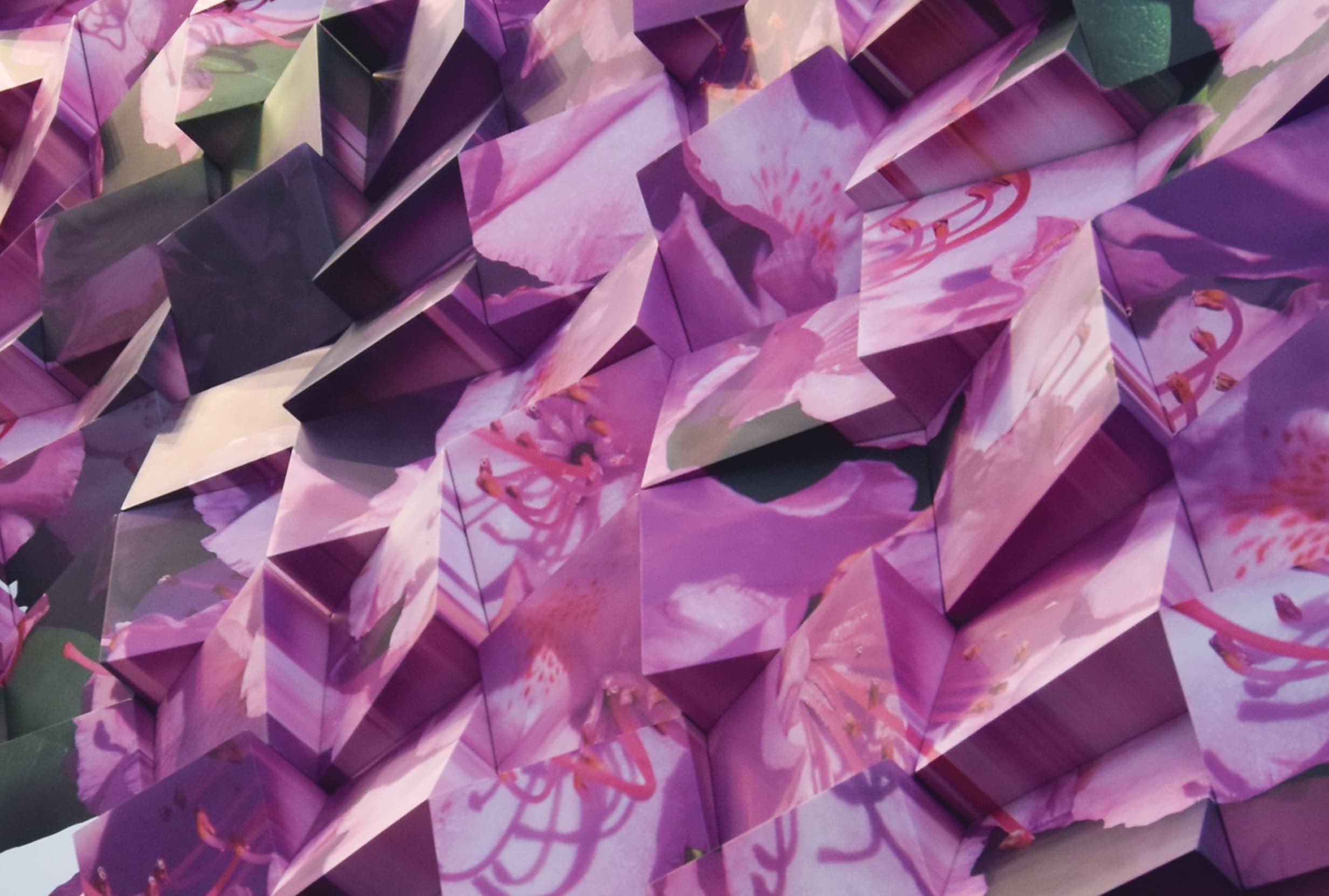
Cultural Environmental Graphics
Environmental graphic design that celebrates heritage, promotes inclusivity, and enriches community spaces.
Read more
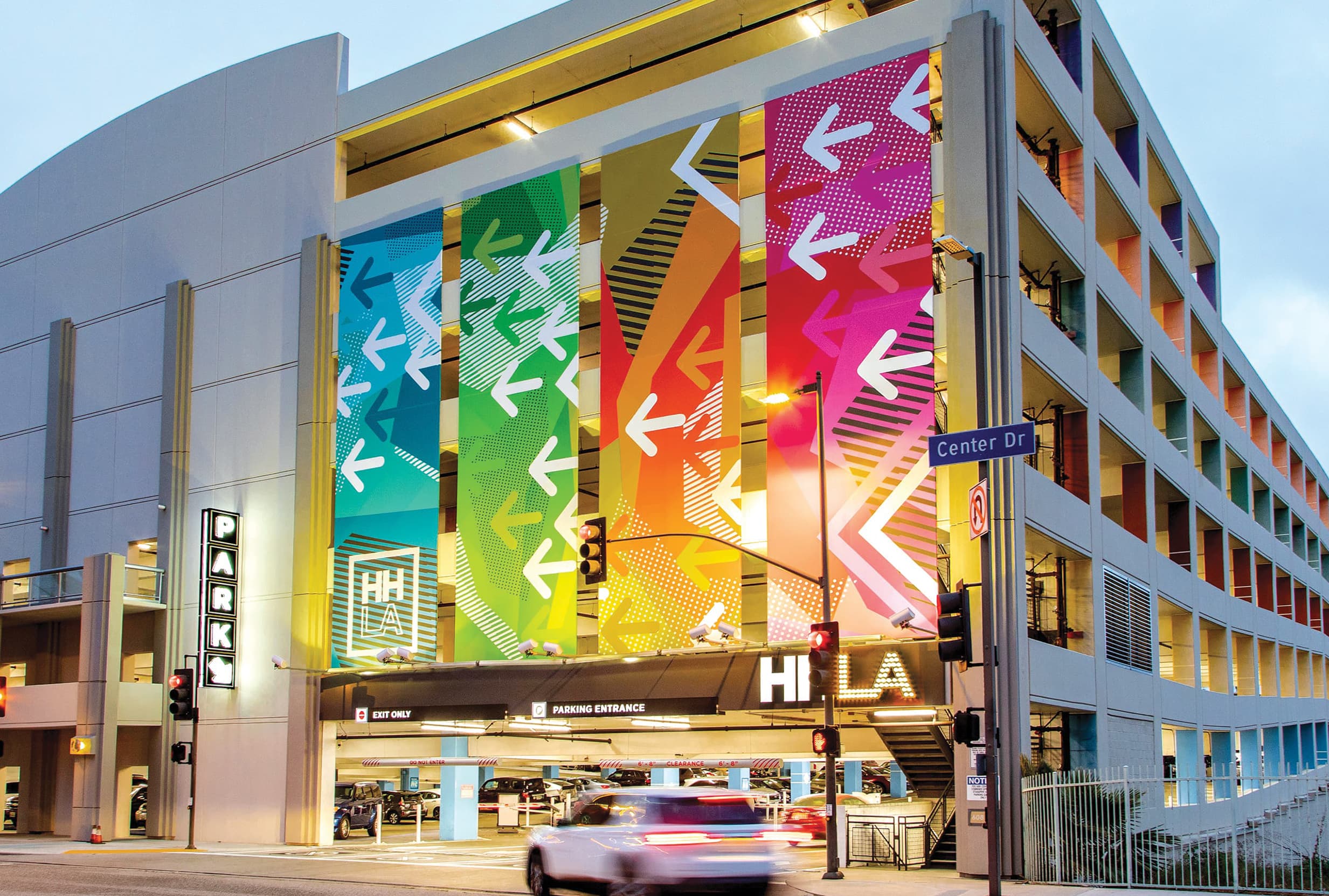
Parking Garage Graphics
Environmental graphic design for parking garages enhances the users first experience when arriving at a project and sets the tone for navigation throughout.
Read more
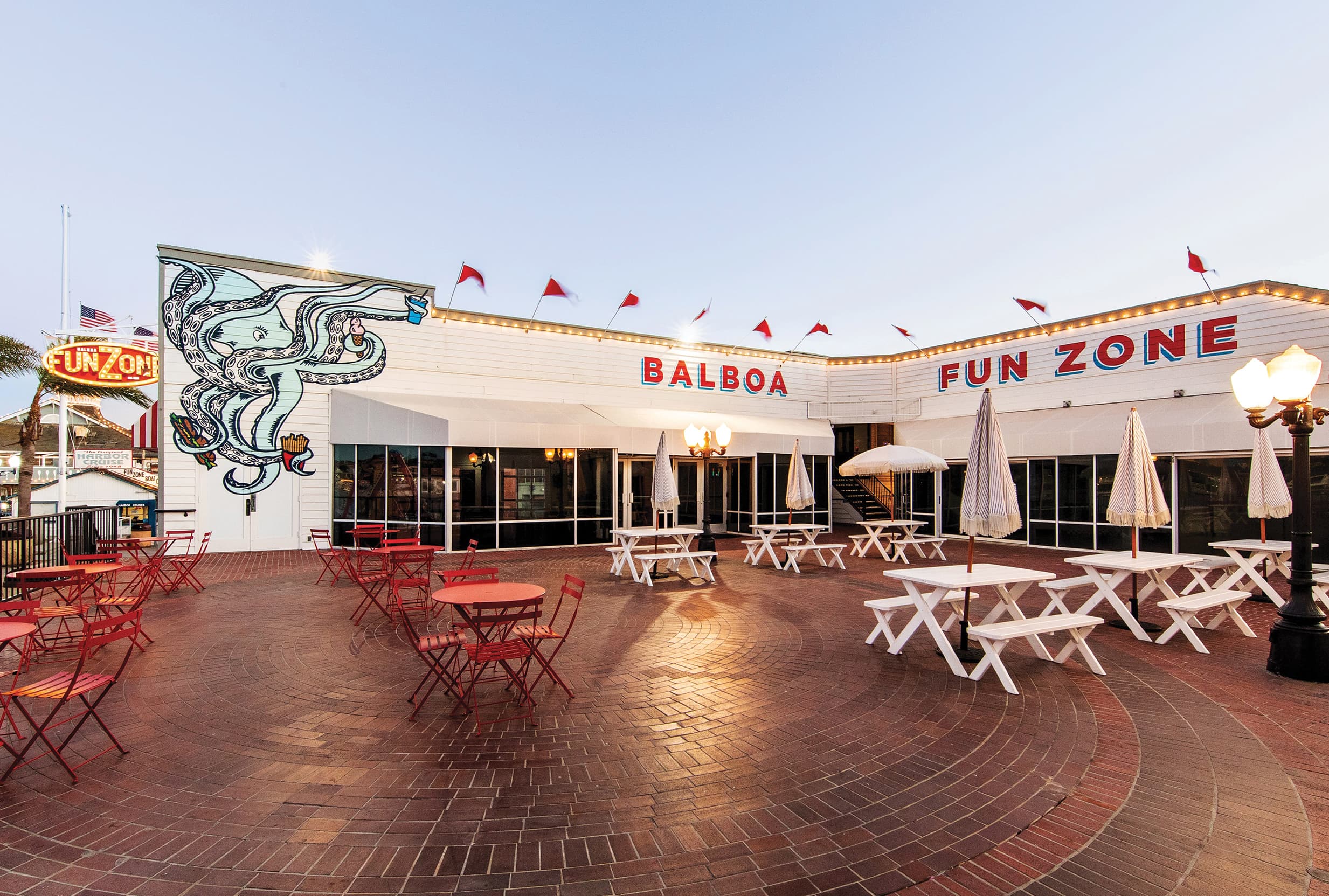
Waterfront Environmental Graphics
Waterfront environmental graphic design amplifies the local characteristics and encourages discovery of the natural surroundings.
Read more
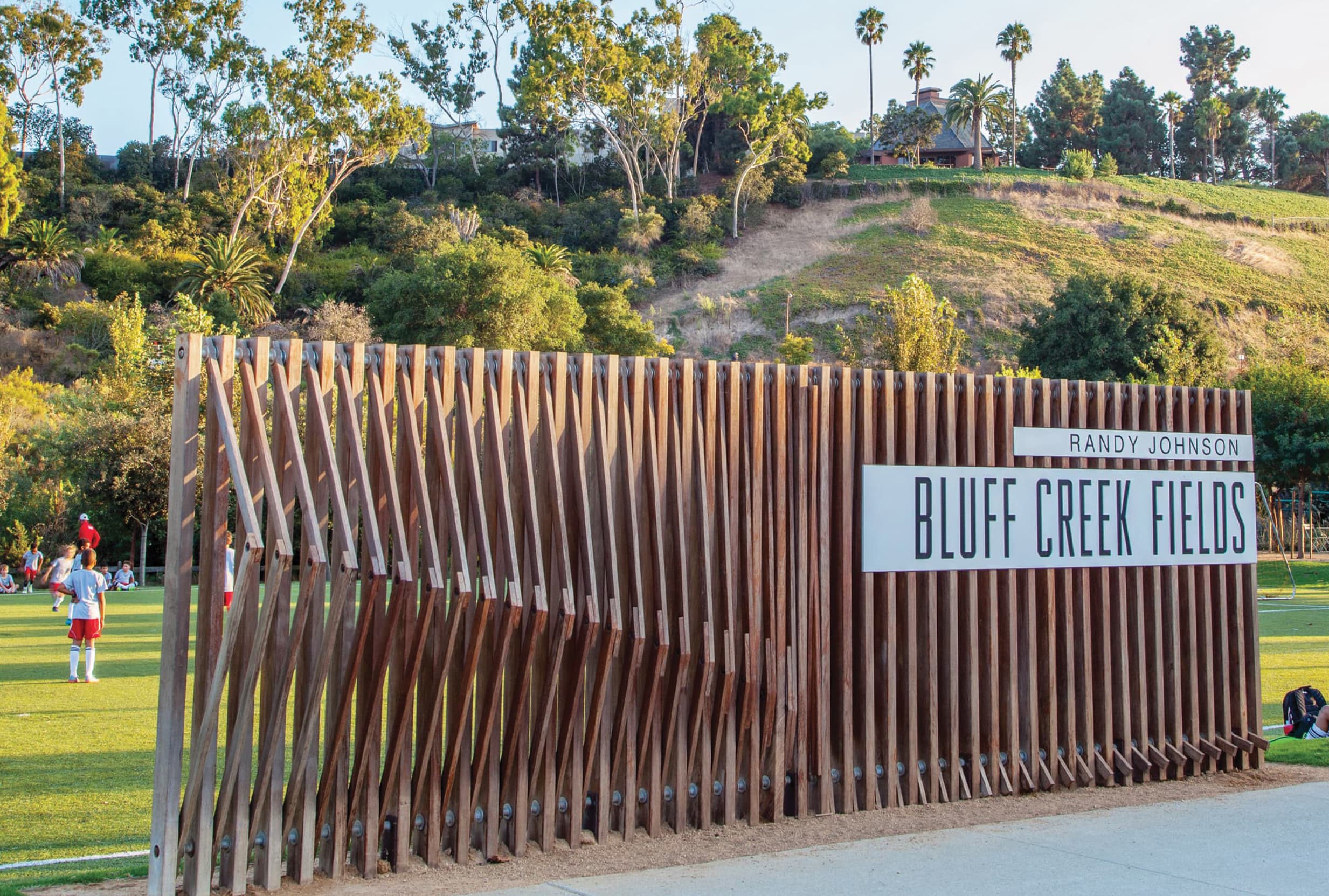
Park Environmental Graphic Design
Environmental graphics for parks enhances the functionality of outdoor spaces, promotes community engagement and enjoyment of activity
Read more
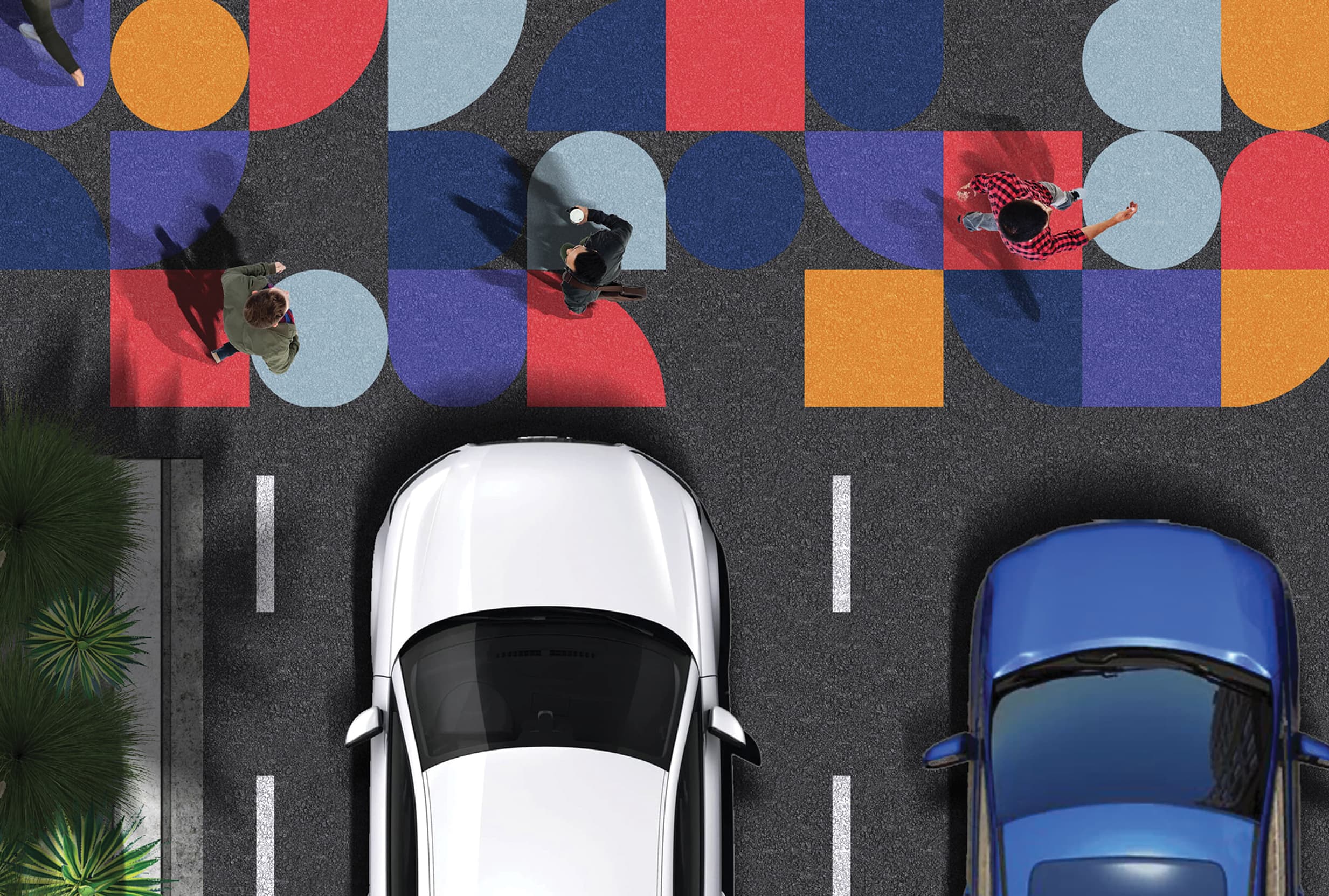
Sci-Tech + Life Science Graphics
Environmental graphic design for science and technology projects aim to facilitate learning, inspire innovation, and connect people.
Read more
Topic series
A Three Part Series on Environmental Graphic Design
Part 1 /
What’s in a Name?
Environmental graphic design, or EGD, is a multidisciplinary field of design in which the disciplines of graphic design, architecture, art, lighting, landscape, and other fields are utilized as a way to enhance the user experience through the visual translation of ideas in the built environment.
Read article
Part 2 /
Emotional Connections
Four principles applied to the built environment cover all human needs. They serve as a litmus test for the capability of an environmental graphic design program to provide users the tools necessary to fulfill all four connections.
Read article
Part 3 /
EGD Can Be Expressed in Many Ways
Environmental graphic design’s greatest asset may be its willingness to adapt to a wide variety of situations, materials, and processes. Because EGD is focused on the communication of creative ideas, the ways in which it can be expressed are limitless.
Read article
What does an environmental graphic designer do?
An Environmental Graphic Designer (EGD) creates visual experiences in physical spaces, uses effective navigation systems to guide people through surroundings, extends brand identities into the built environment, and incorporates interactive and sustainable features. They work alongside architects, follow user-centered design concepts, and play an important part in developing the aesthetic and functional features of a variety of environments.
What is another name for environmental graphic design?
Another term often used interchangeably with Environmental Graphic Design (EGD) is "Experiential Graphic Design." Both terms essentially refer to the practice of designing visual elements within physical spaces to enhance user experiences and create a cohesive and immersive environment.
What are the benefits of environmental graphics?
Benefits of environmental graphics include enhanced user experiences through clear communication, increased brand visibility, and better wayfinding. They produce memorable interactions and add to the richness of spaces.
What is the environmental graphic design process?
The Environmental Graphic Design (EGD) process typically involves the following stages:
- Discovery and Research: Understand client goals, conduct site analysis, and identify challenges and opportunities.
- Concept Development: Brainstorm ideas, create initial sketches, and develop visual representations of design concepts.
- Design Development: Refine chosen concepts, develop detailed designs, and explore materials and technology integration.
- Mockups and Testing: Create mockups to test practicality and gather feedback for iterative improvements.
- Documentation: Create comprehensive design documentation, including specifications and guidelines for fabrication and installation.
- Collaboration and Coordination: Collaborate with other design disciplines, architects, landscape & lighting, and stakeholders to integrate environmental graphics into the holistic vision.
- Production and Fabrication: Oversee the production of graphic elements, ensuring quality and adherence to design specifications.
- Installation: Coordinate the installation process, ensuring safety standards and design intent are met.
- Evaluation and Feedback: Assess the effectiveness of the environmental graphics post-installation, gather feedback, and identify areas to be fixed or improved.
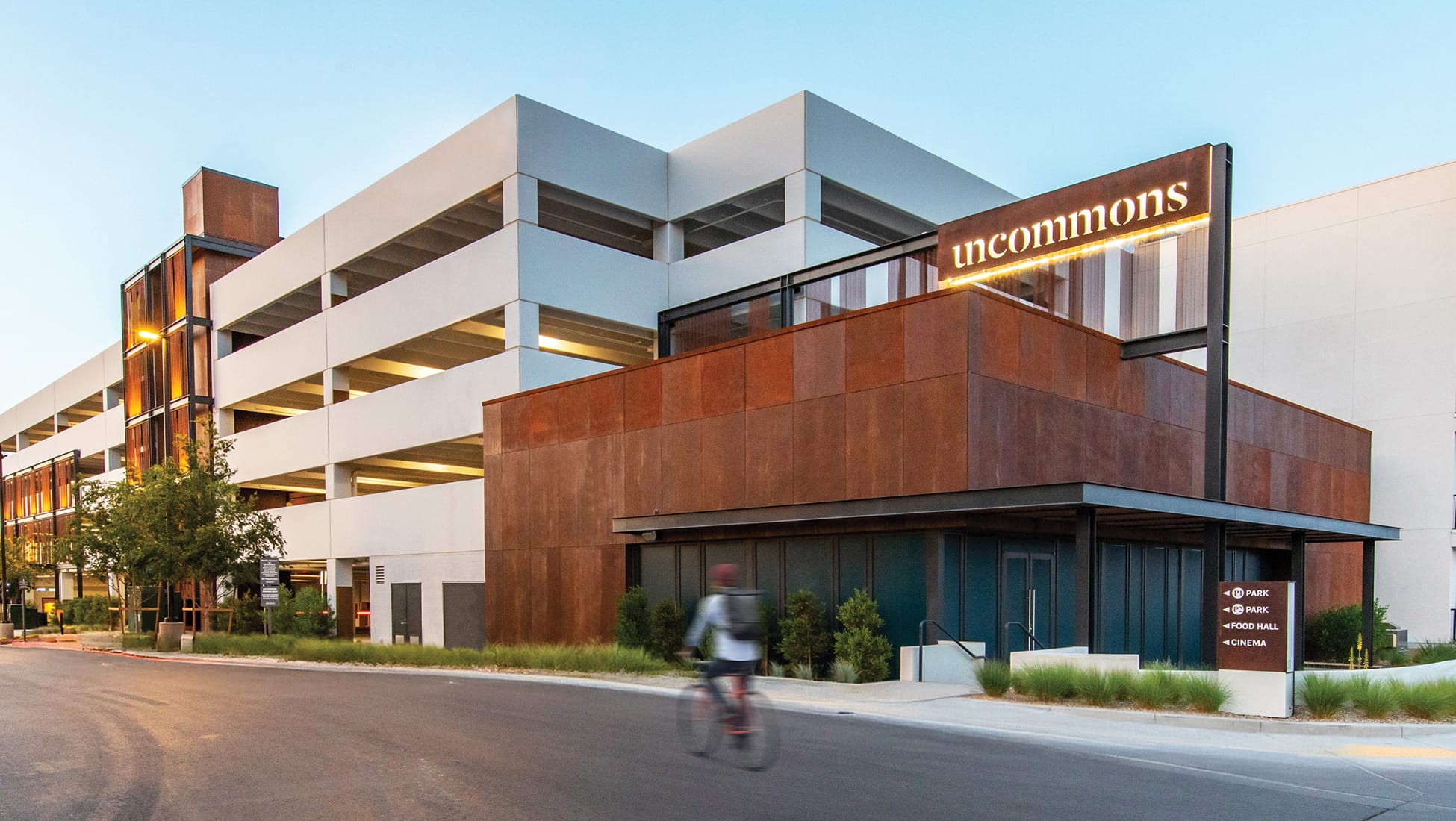
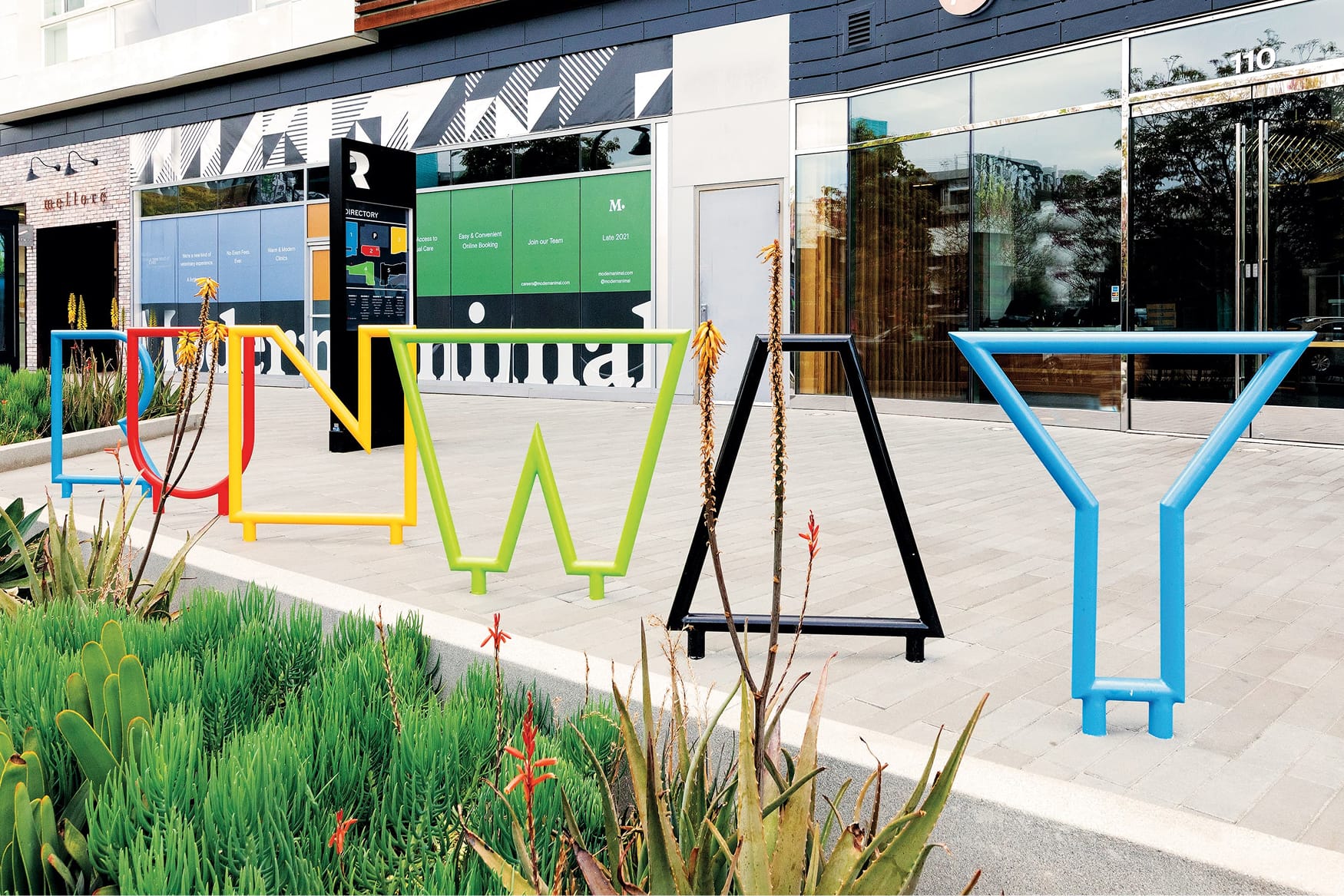
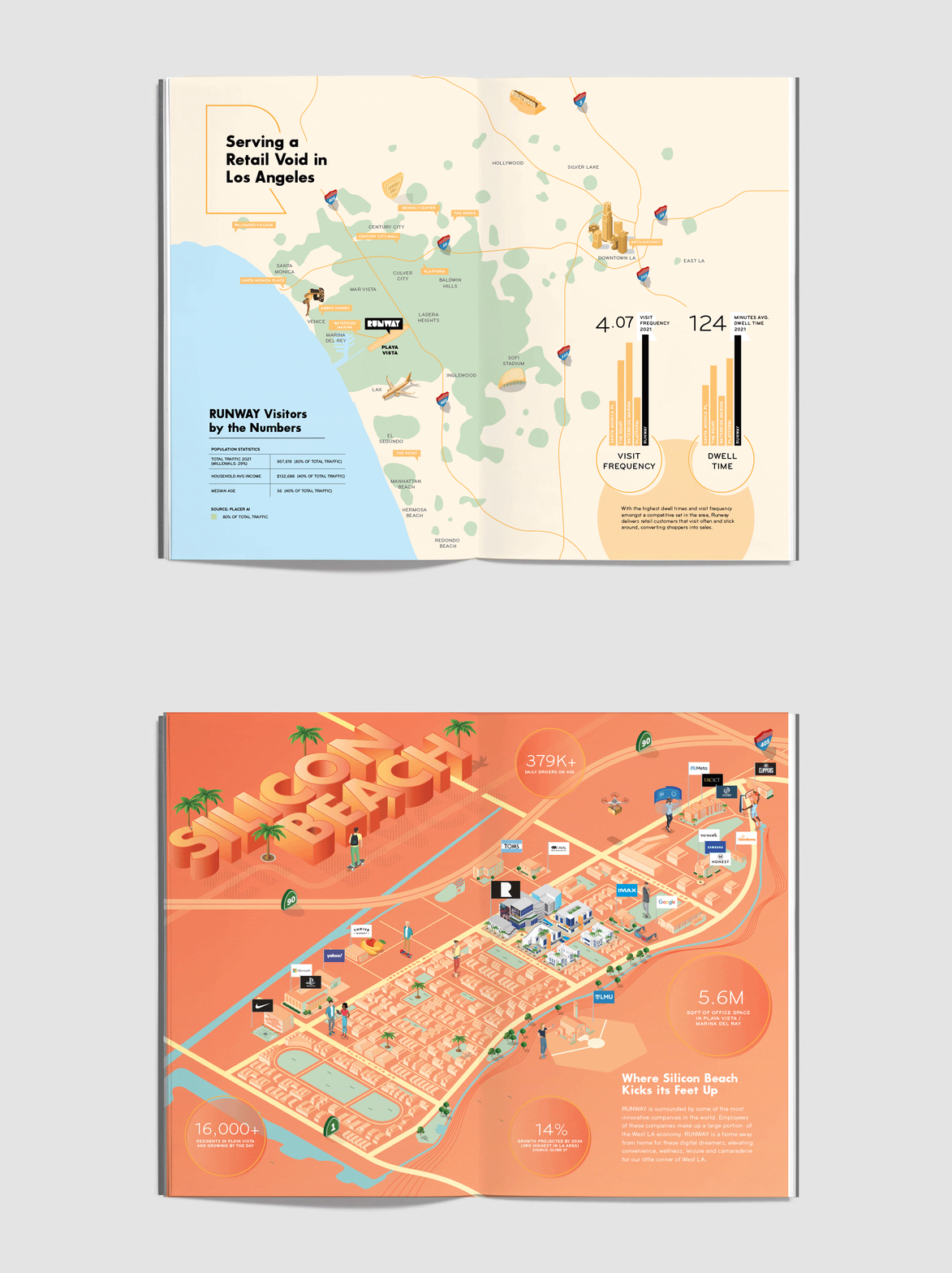
Environmental Graphic Design (EGD) enhances places by seamlessly integrating visual elements such as signage, wayfinding, and branding, improving navigation and creating cohesive, memorable experiences. Spaces become more navigable, aesthetically pleasing, and conducive to fostering a sense of identity and community.
Get in touch