Public Art & Mural Design
Sub-services
PlacemakingArt and Mural Design
Art Programming Guidelines
Fixturing
Interactive Elements
From bold wall mural design to thoughtfully commissioned sculptures, these artistic interventions establish communal identity and foster lasting memories as people become inspired by the environments they engage with every day.
Bringing Places to Life With Art, Murals & Sculpture
Public art and mural design work to create moments of delight that transform spaces into memorable destinations. Through creative collaboration and curation, art programs are developed to complement architectural elements and bring environments to life.
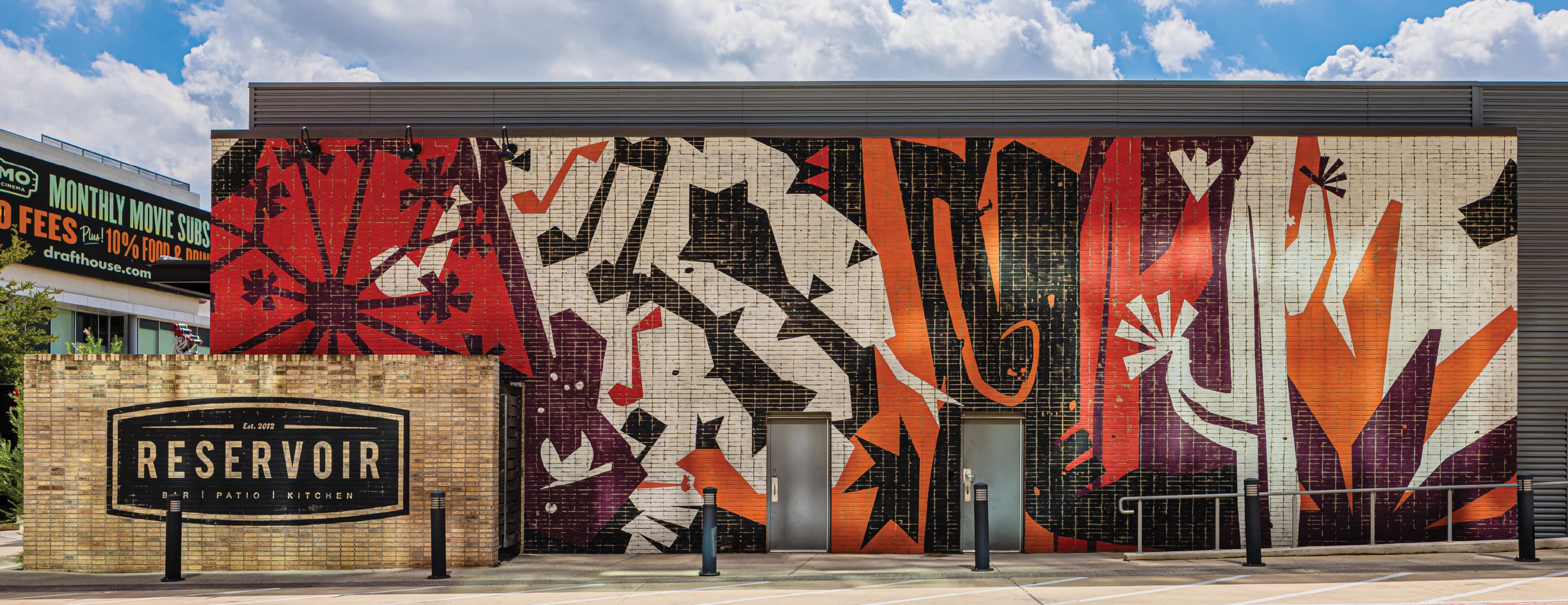
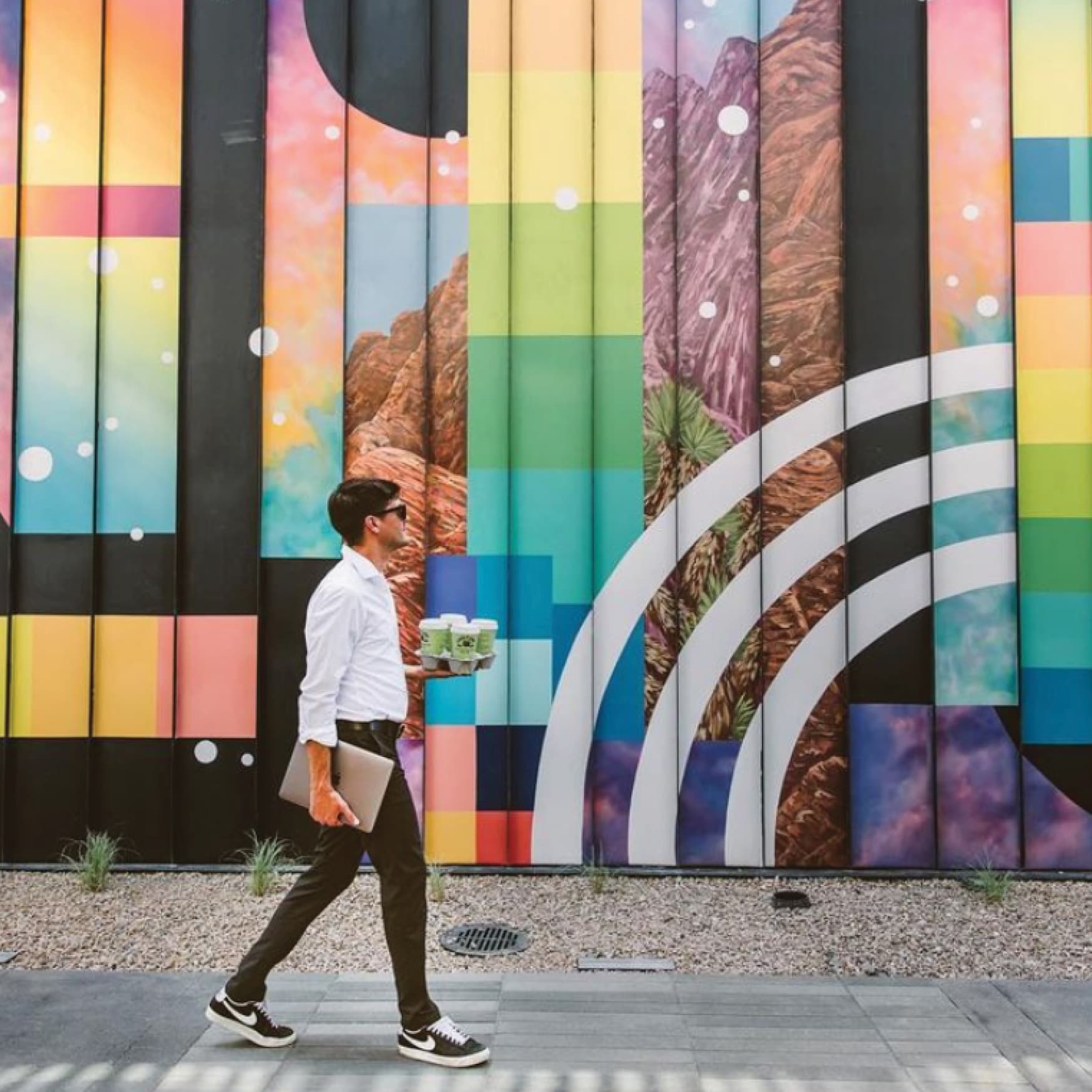
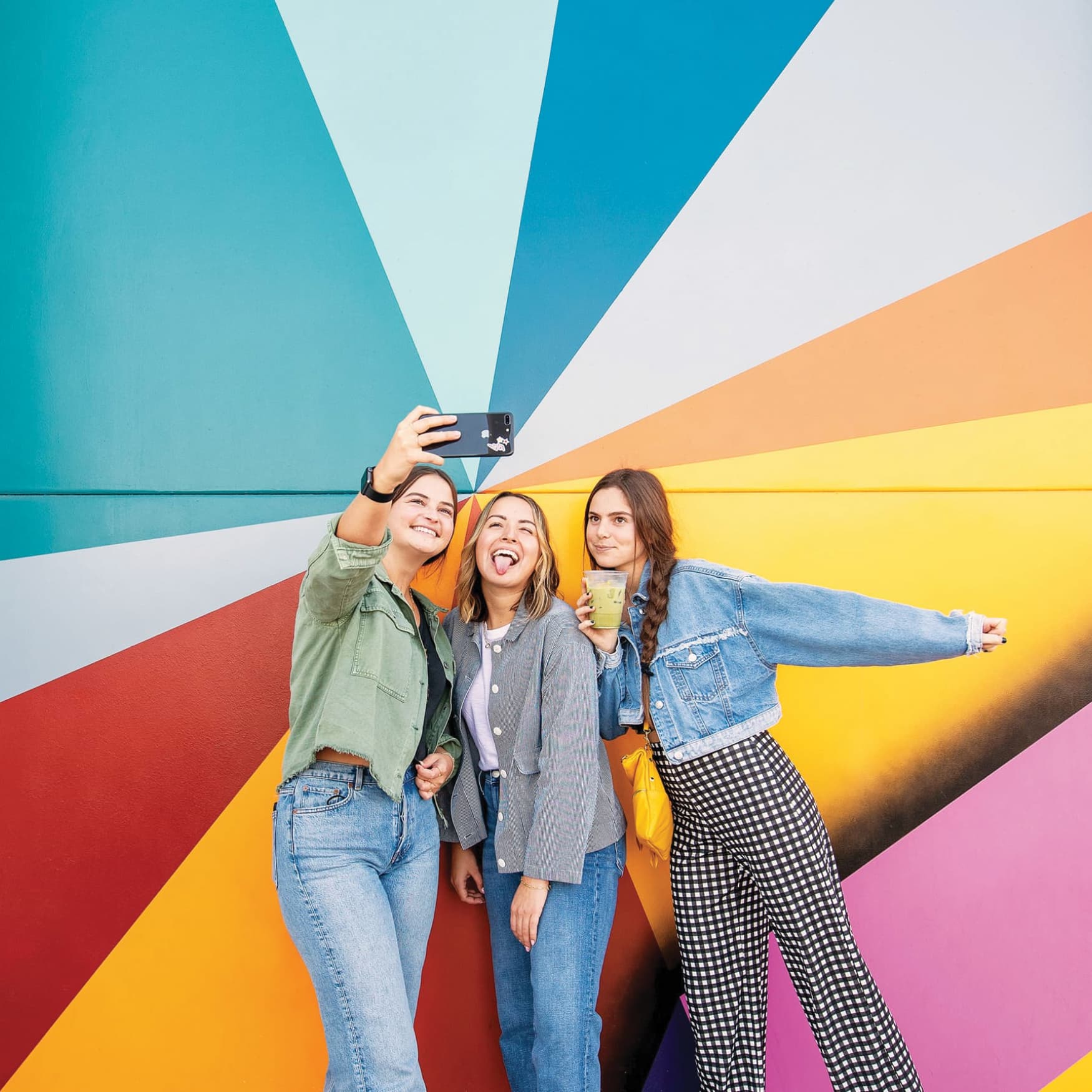
Through Principle-Centered Design, we envision public art and murals as extensions of our shared humanity. By engaging with peoples’ emotional intelligence—through their senses of wonder, awe, and curiosity—public art and design decisions can allow viewers to connect with spaces on multiple levels. A brightly colored wall or community-created mural can have significant impact at relatively low cost, often becoming social media destinations and landmarks that draw visitors in and back again through public art and placemaking.
We are tasked with creating graphic murals as well as establishing guidelines for curated commissioned art from local artists or international professionals. These guidelines establish the look and feel of potential public art projects, including murals and sculptures. Many of our projects feature delightful and surprisingly fun interactive artworks that add a sense of action to otherwise static environments.
Public Art and Mural Projects
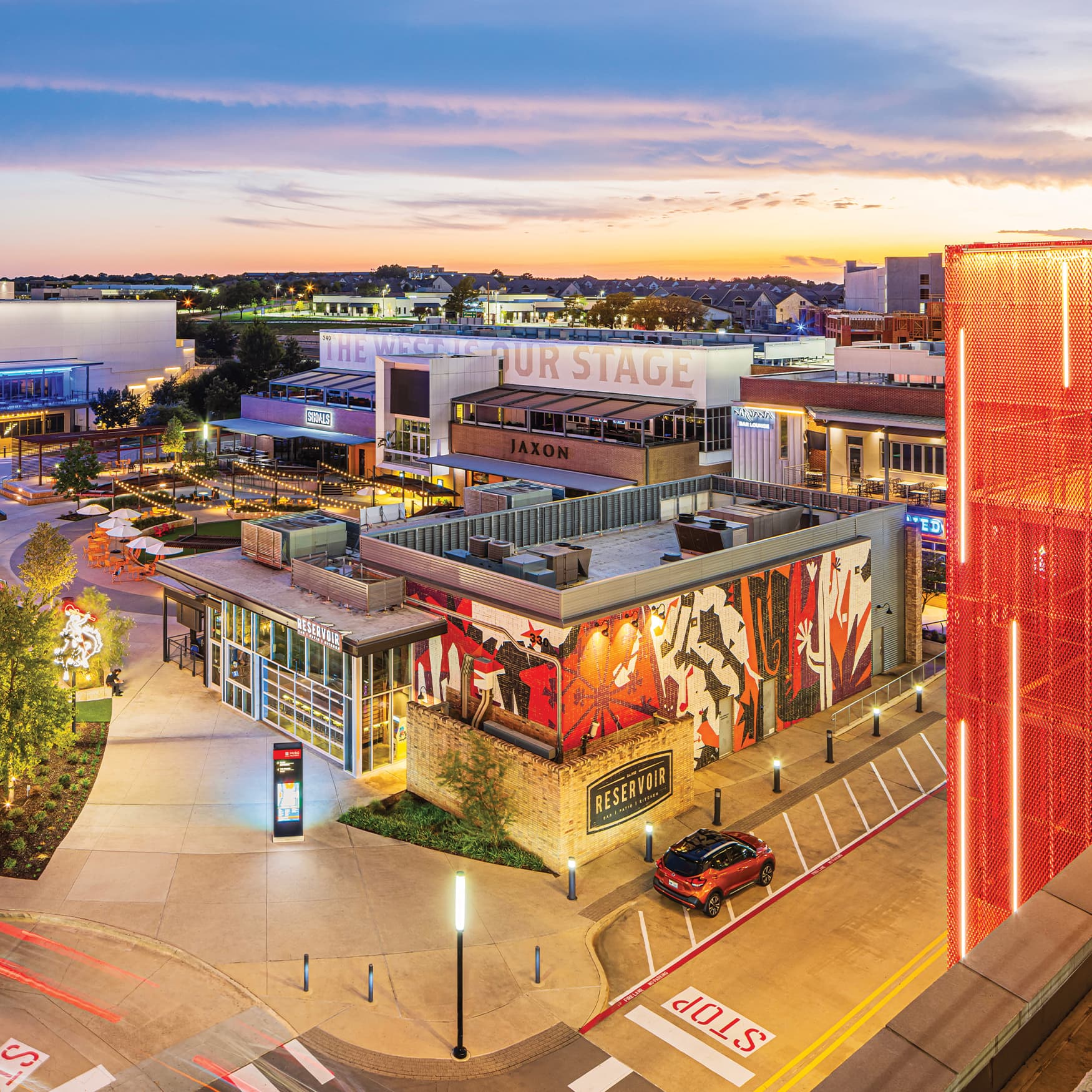
Irving, Texas
Toyota Music Factory
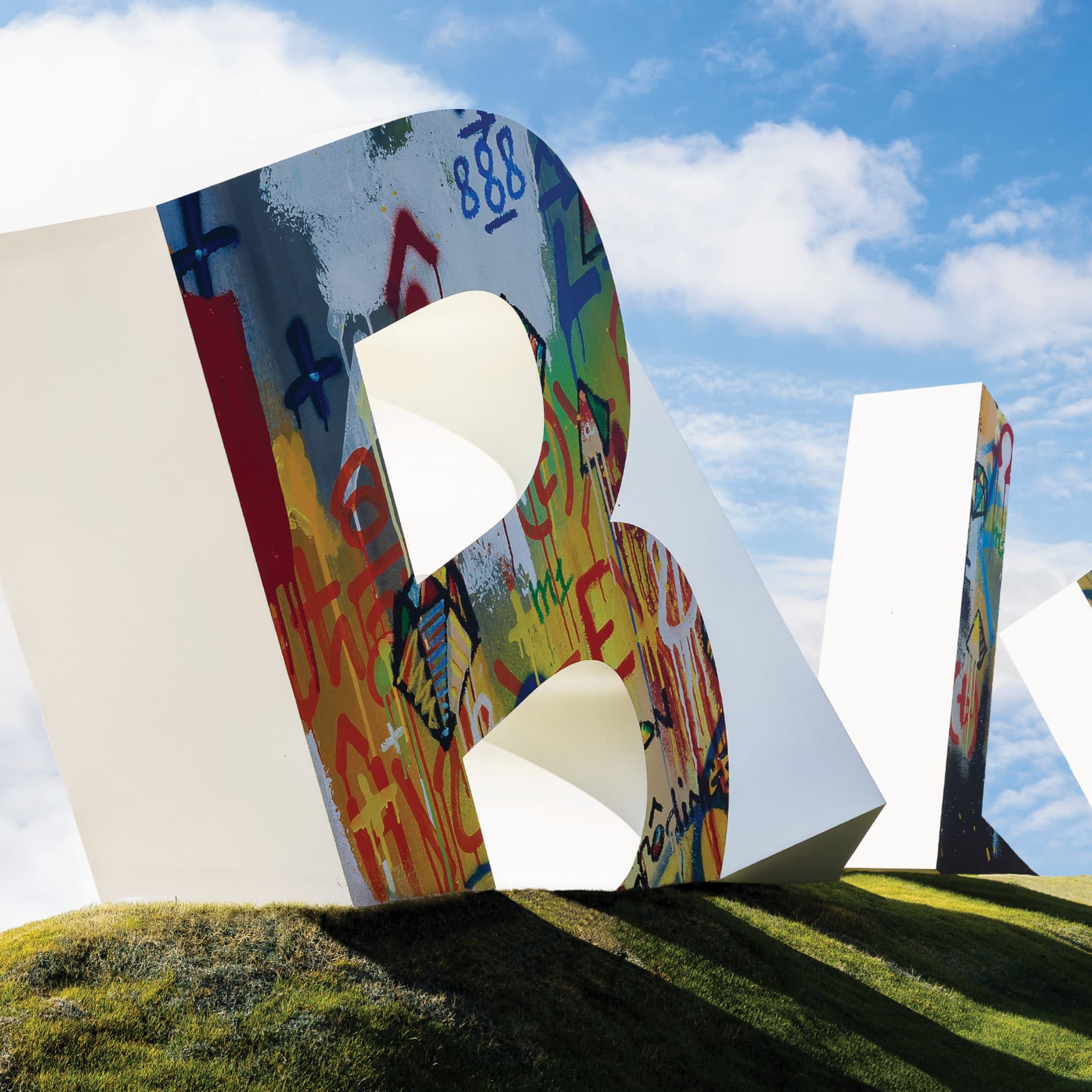
Sherman, Texas
Bel Air Village
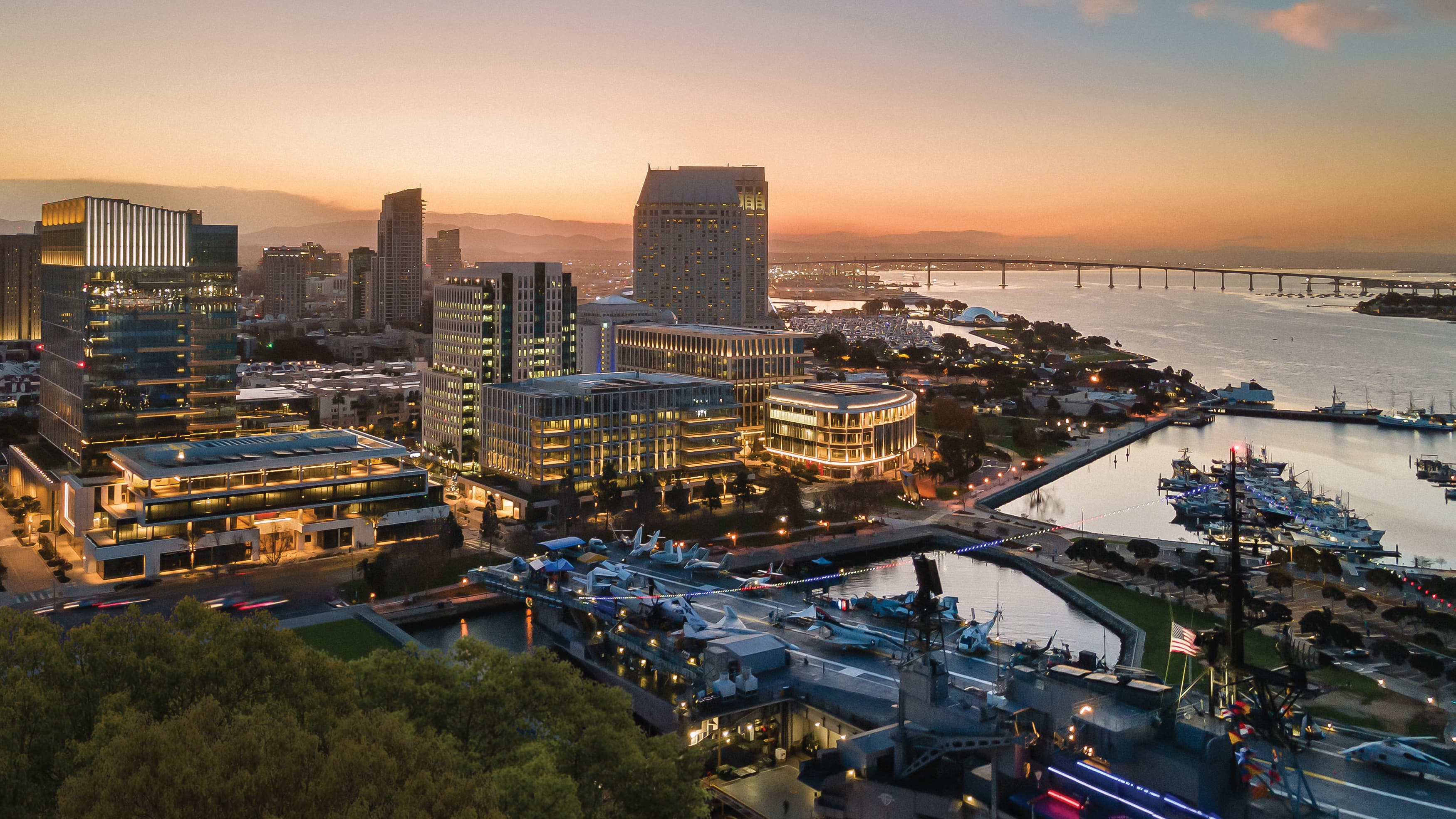
San Diego, California
RaDD: Research and Development District
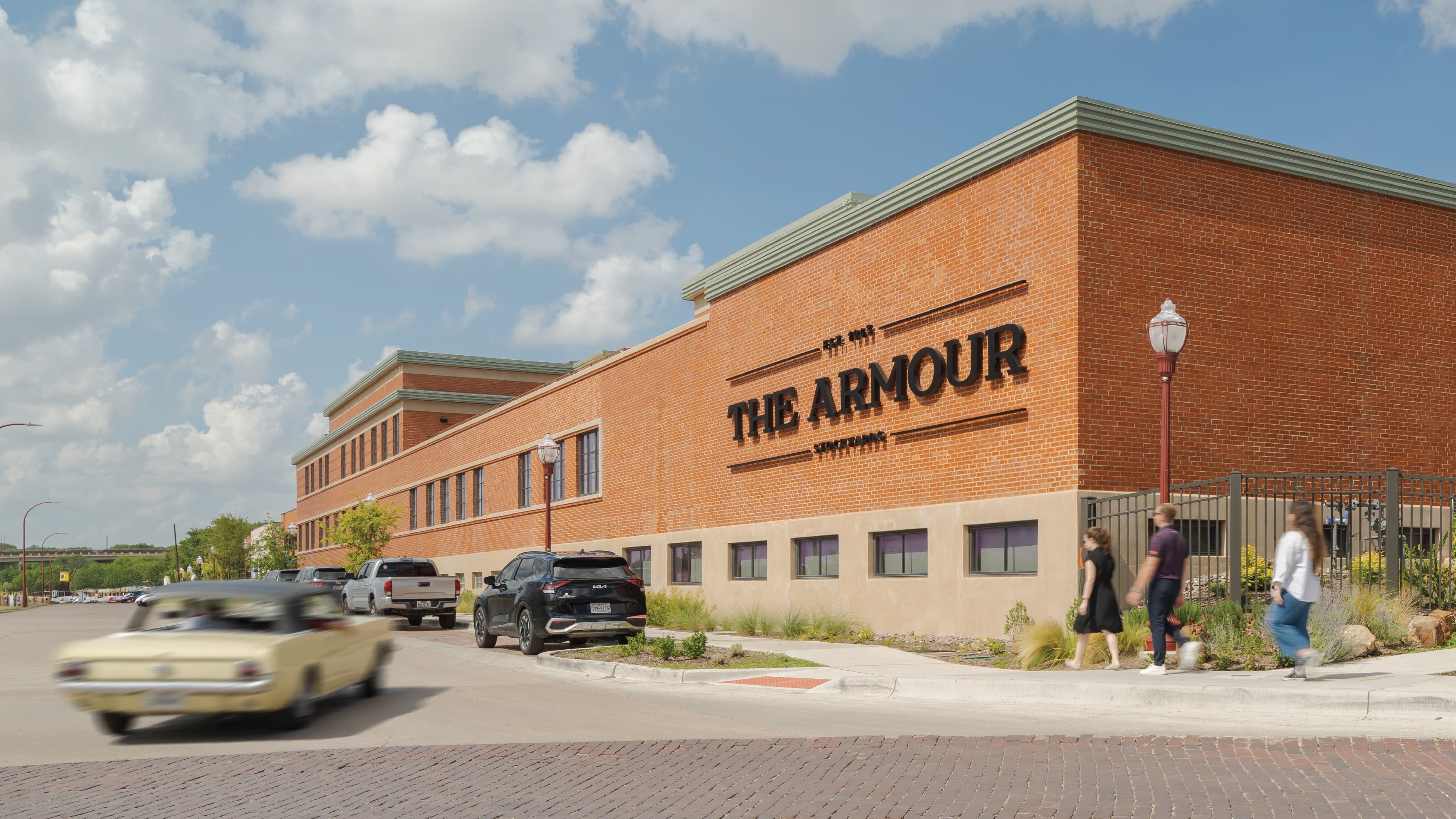
Fort Worth, Texas
The Armour Building
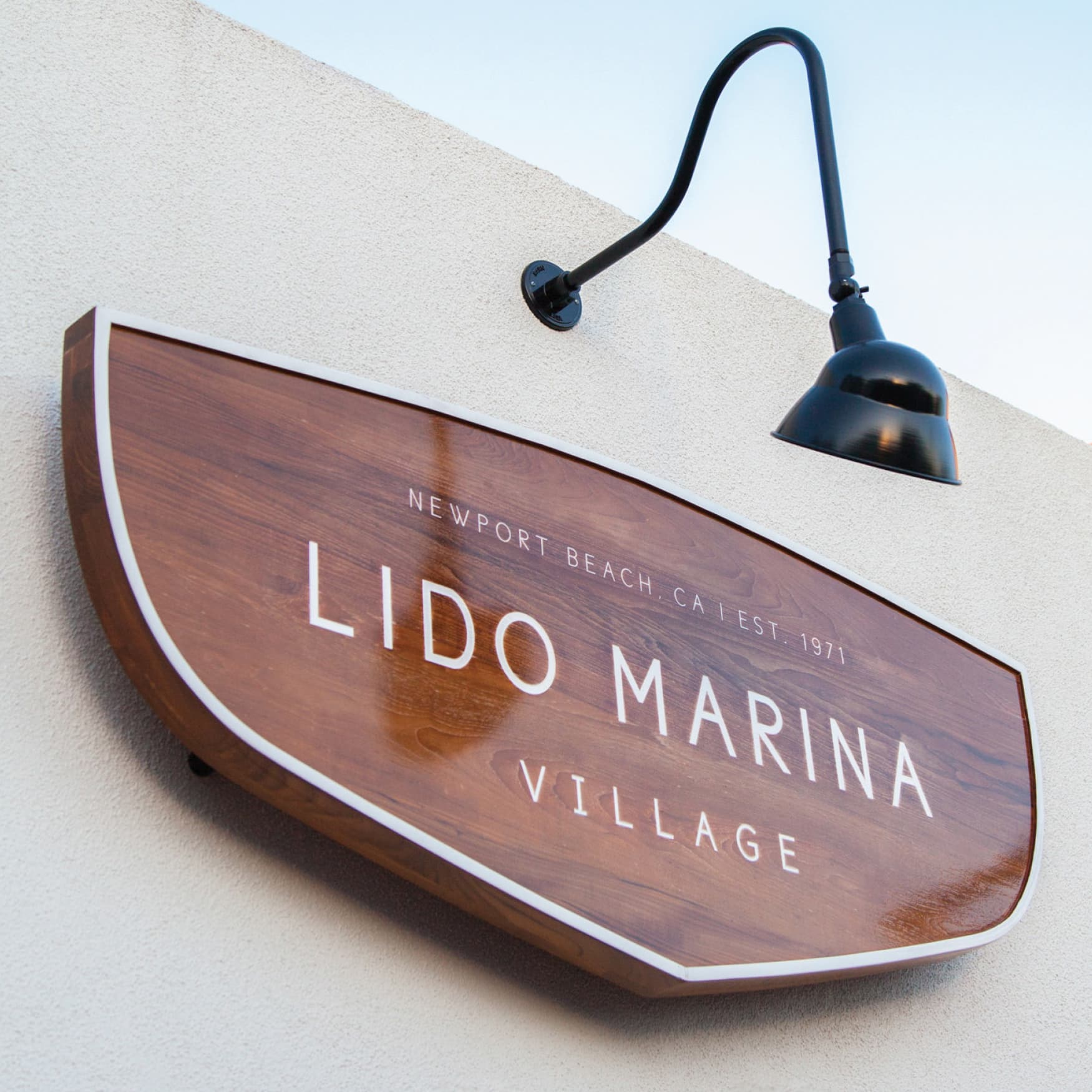
Newport Beach, CA
Lido Marina Village
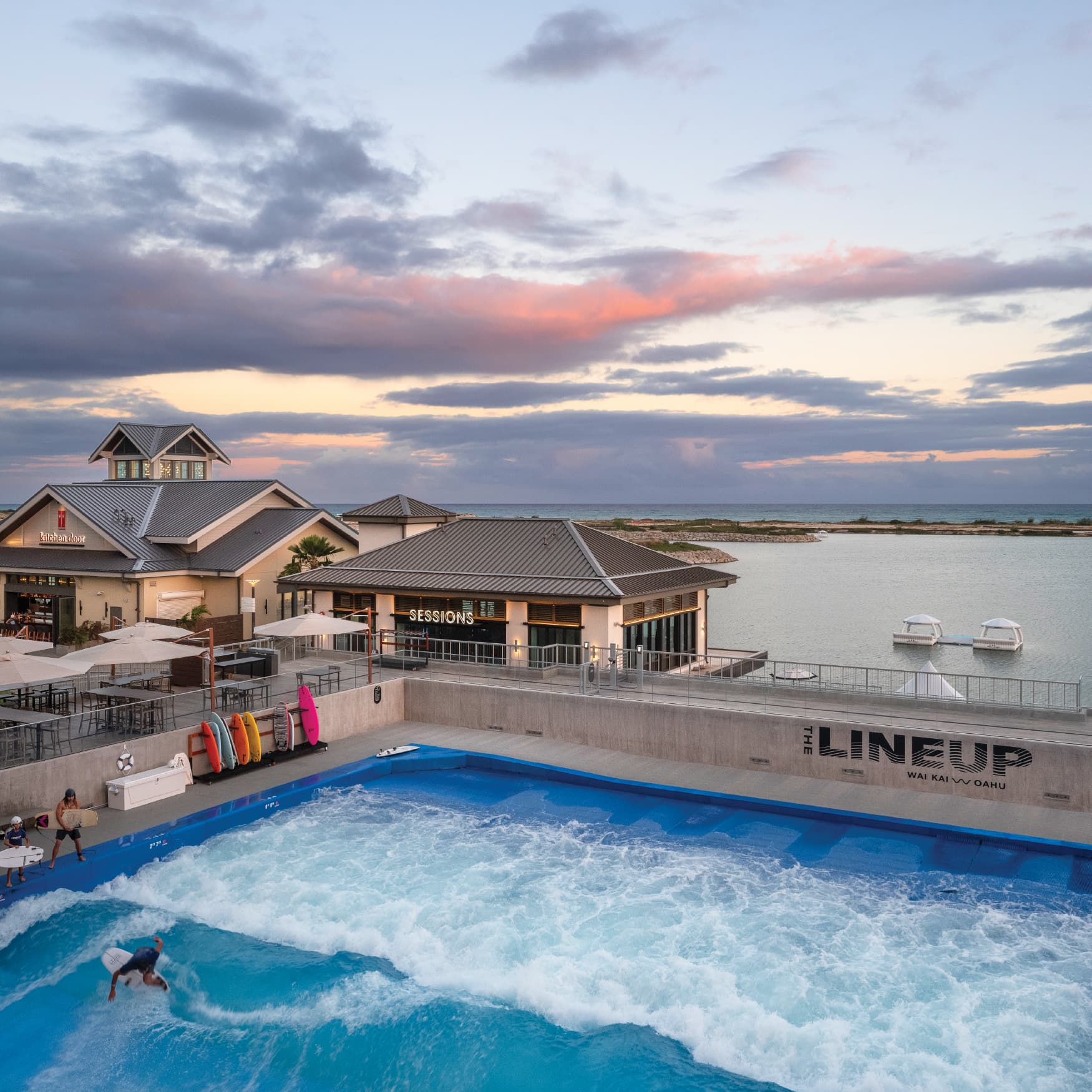
Ewa Beach, Hawai’i
Wai Kai
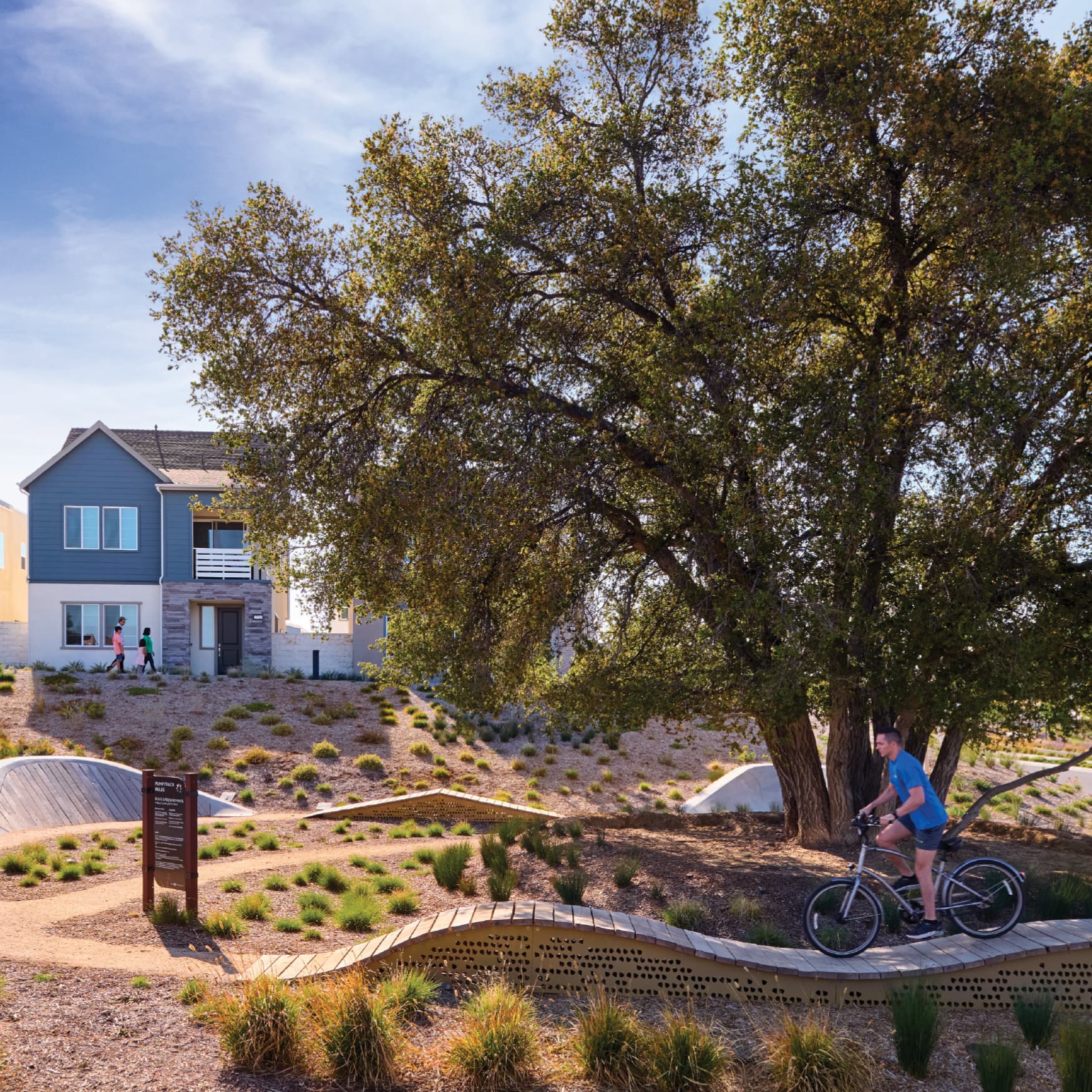
Santa Clarita, California
Valencia
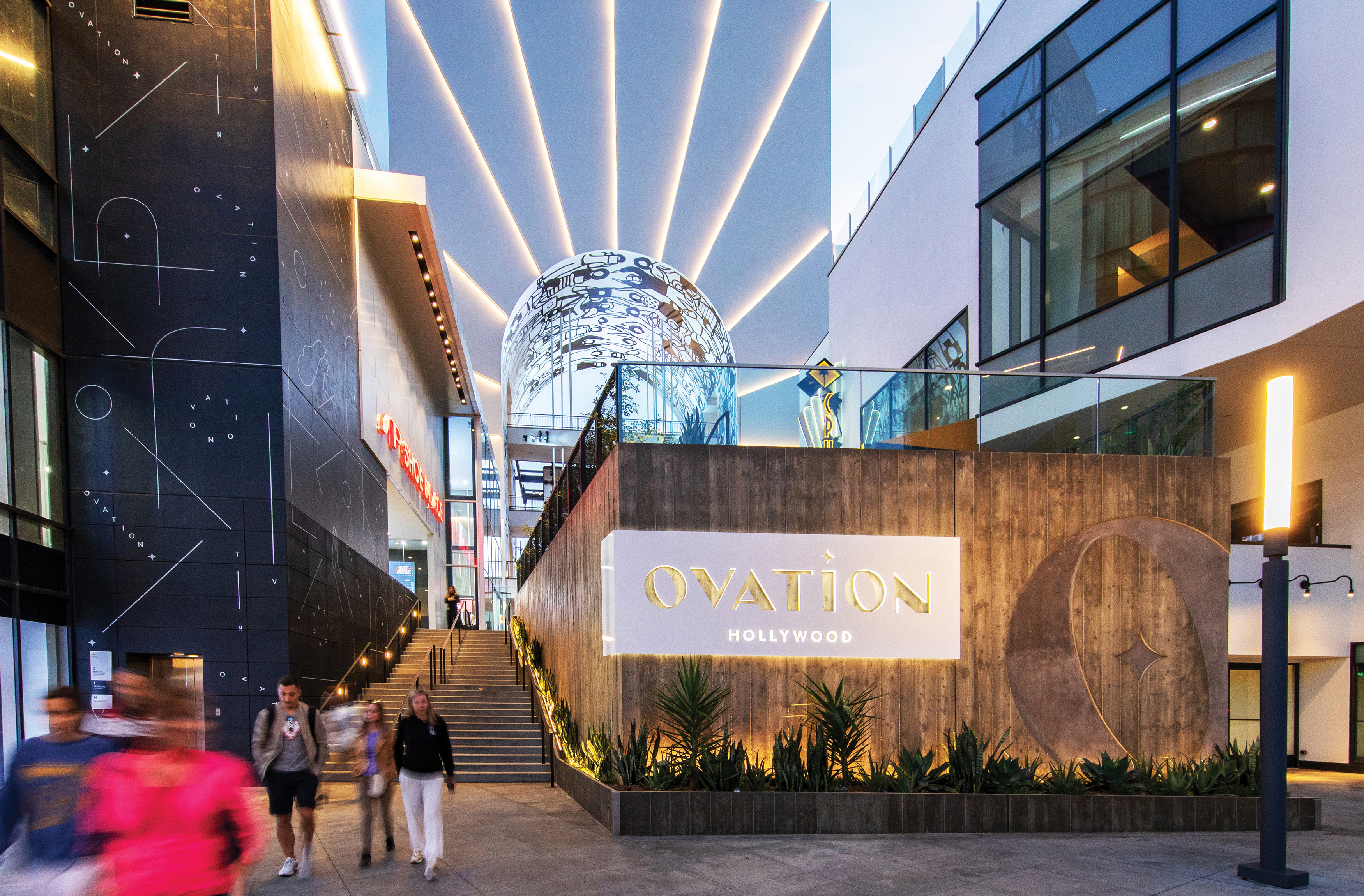
Hollywood, California
Ovation Hollywood
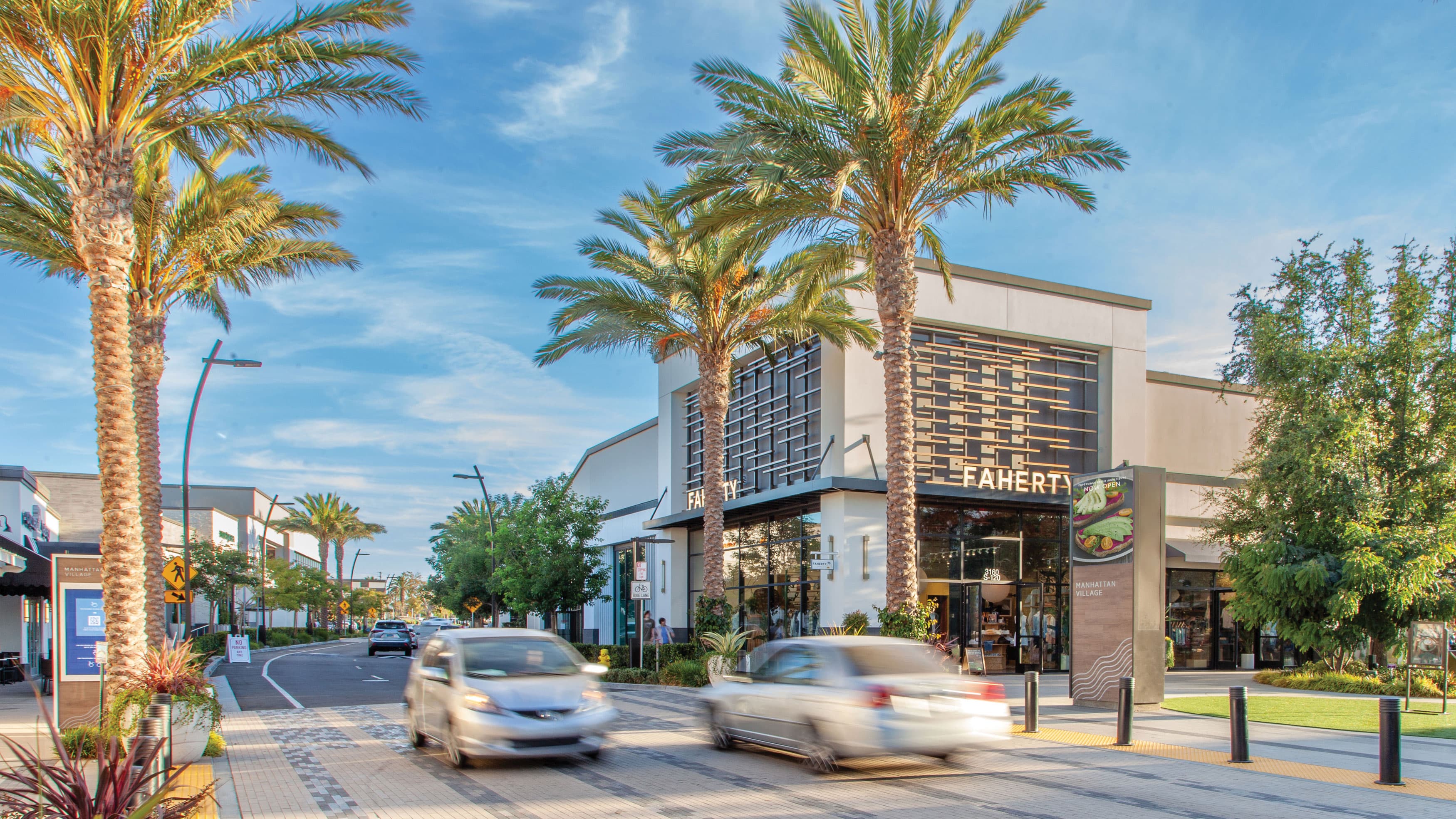
Manhattan Beach, California
Manhattan Village
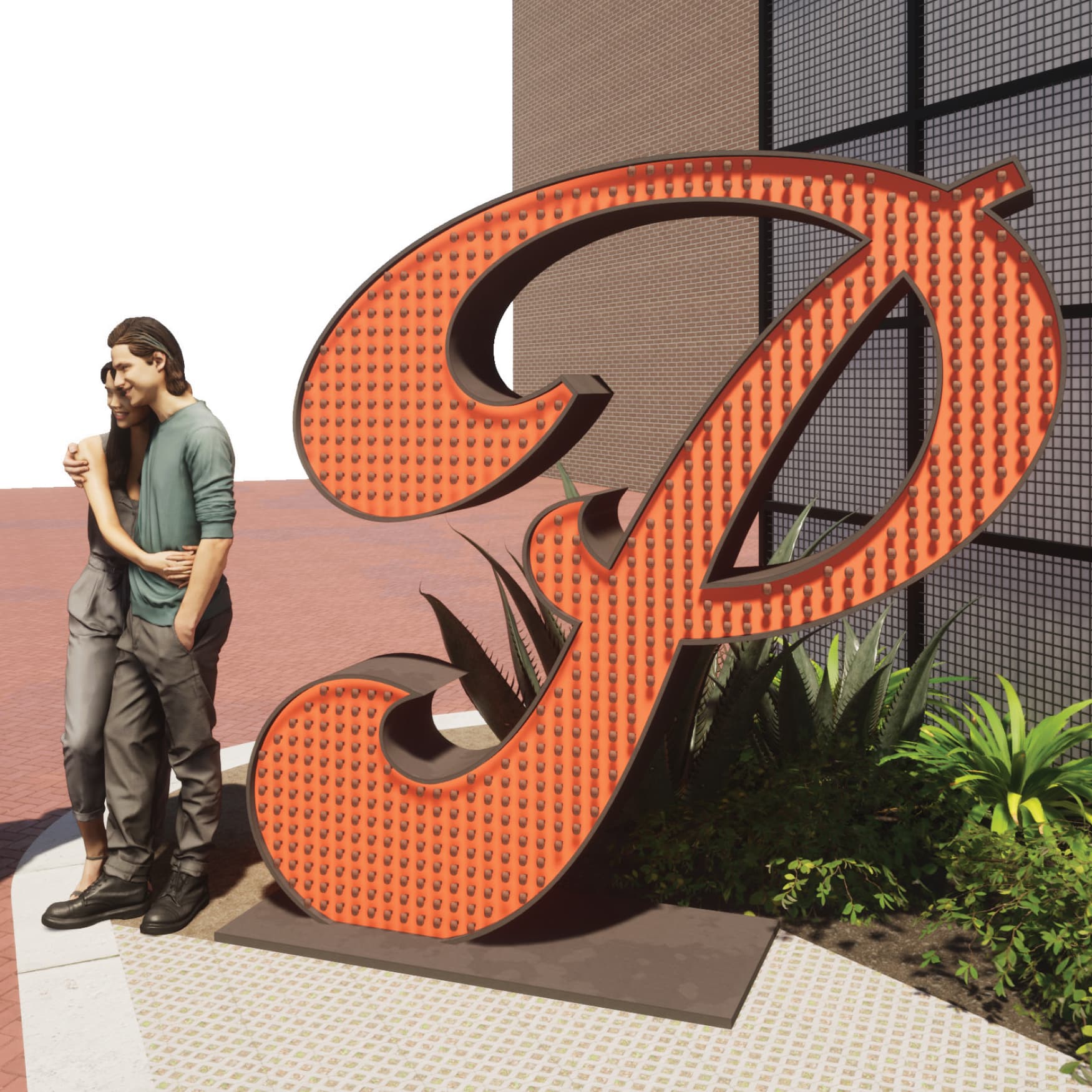
San Antonio, Texas
Pearl Brewery
Public Art Strategies
Public Art and Design
Public art serves as a powerful tool for establishing a sense of place and fostering community engagement within the built environment. When integrated thoughtfully, public art and design elements create harmony with a given architectural context, cultural traditions, and local identity. These installations range from monumental sculptures that function as landmarks to subtle graphic interventions that reward discovery throughout a space. Careful consideration of scale, materiality, and human experience ensures that artwork enhances aesthetic character while potentially supporting functional needs like wayfinding. Public art that celebrates local heritage and responds to community values can create lasting emotional resonance, ensuring that spaces remain not only relevant but cherished across generational lines.
Art Programming Guidelines
Art programming guidelines provide essential frameworks for projects featuring multiple commissioned artworks over time. These comprehensive documents establish aesthetic direction, material considerations, scale parameters, and thematic approaches for future art selection. Well-crafted mural design and art guidelines maintain visual consistency while simultaneously encouraging creative diversity, evolving visual trends, and individual artistic expression. Key considerations include durability requirements, maintenance accessibility, environmental considerations, and alignment with community values. This structured approach to art programming frameworks enables confident decision-making in supporting both emerging and established artists, ultimately planning for the long-term vision of a place while allowing for organic growth and adaptation along the way.
Art and Wall Mural Design
Art and wall mural design encompasses both original graphic creation and curation of commissioned artwork from diverse artists. Powerful murals balance bold visual impact with thoughtful architectural integration, transforming underutilized surfaces into dynamic focal points without detracting from the context surrounding them. These large-scale interventions can range from abstract patterns that create visual rhythm to narrative imagery that communicates stories of place and community. Whether geometric, representational, or abstract, murals energize spaces and provide opportunities for cultural expression, joy, and remembrance. This interplay between art, architecture, and audience creates layered experiences that breathe new life into the built environment.
Interactive Public Art
Interactive public art transforms passive observation into active participation, creating memorable experiences that forge emotional ties to place. These installations invite visitors to engage more deeply with the spaces they inhabit through physical interaction, responsive technology, or collaborative creation. Examples of interactive public art include kinetic sculptures responding to movement, digital surfaces reacting to touch, augmented reality layers enhancing physical experiences, or participatory murals inviting community contribution. Interactive elements encourage a sense of play and social harmony, particularly among younger audiences accustomed to digital engagement. When designed inclusively, interactive installations welcome and accommodate diverse audiences and ability levels, transforming regular thoroughfares into places that welcome public gathering and joy.
Public Art and Placemaking
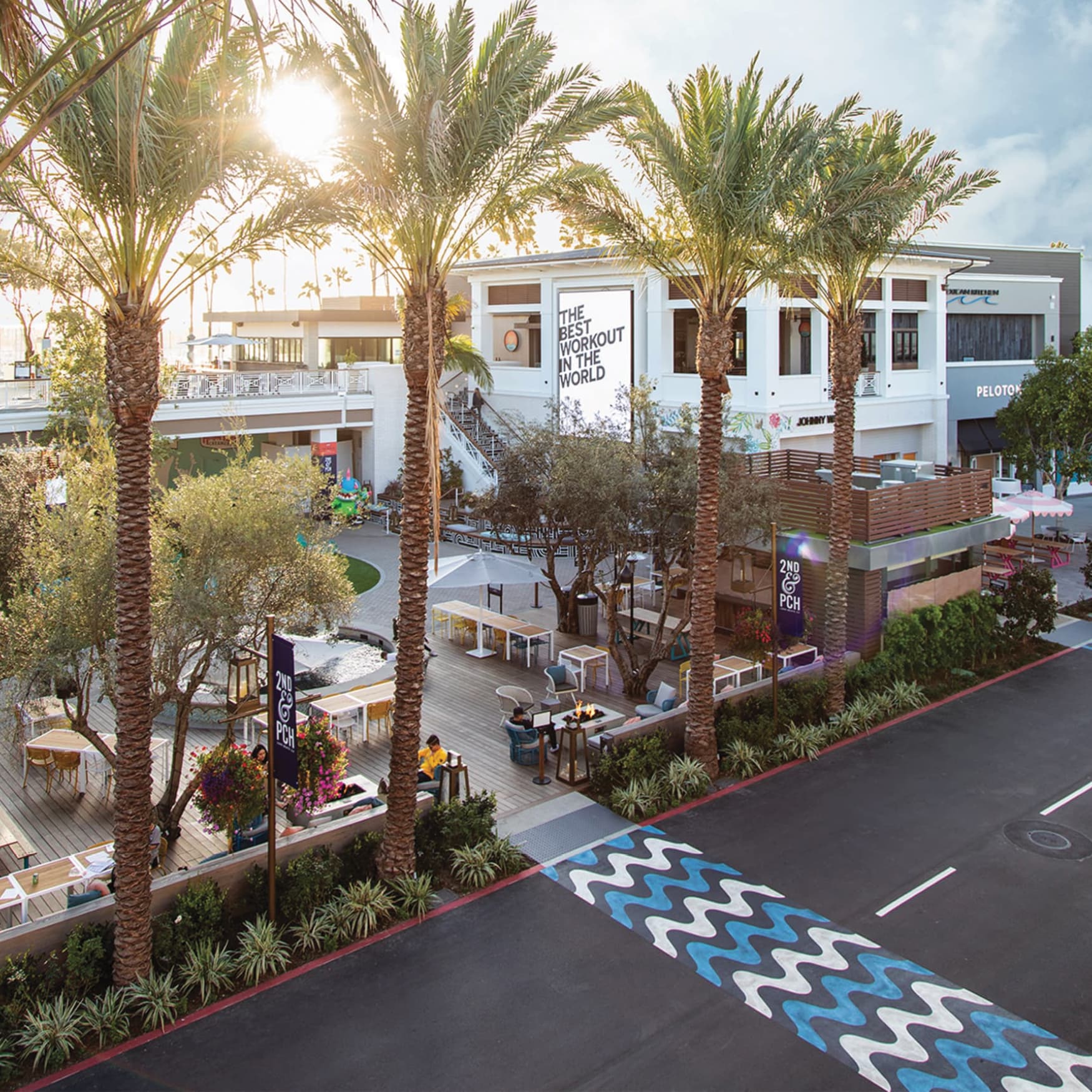
Public art functions as a cornerstone of placemaking by establishing distinct identity, fostering community pride, and transforming generic spaces into meaningful destinations. When integrated with wayfinding, architectural graphics, and environmental design, art can create a cohesive environment with a strong sense of character. In its most authentic form, public art can serve a dual purpose—functioning as a navigational landmark while establishing cultural significance and visual intrigue. Whether through sculpture, mural design, or other aesthetic installations, public art contributes to the building of “people-first” environments that speak to our evolving needs. Together though public art and placemaking, these creative interventions help create beloved gathering places in which community members recognize themselves and their unique stories.
Wayfinding Through Public Art
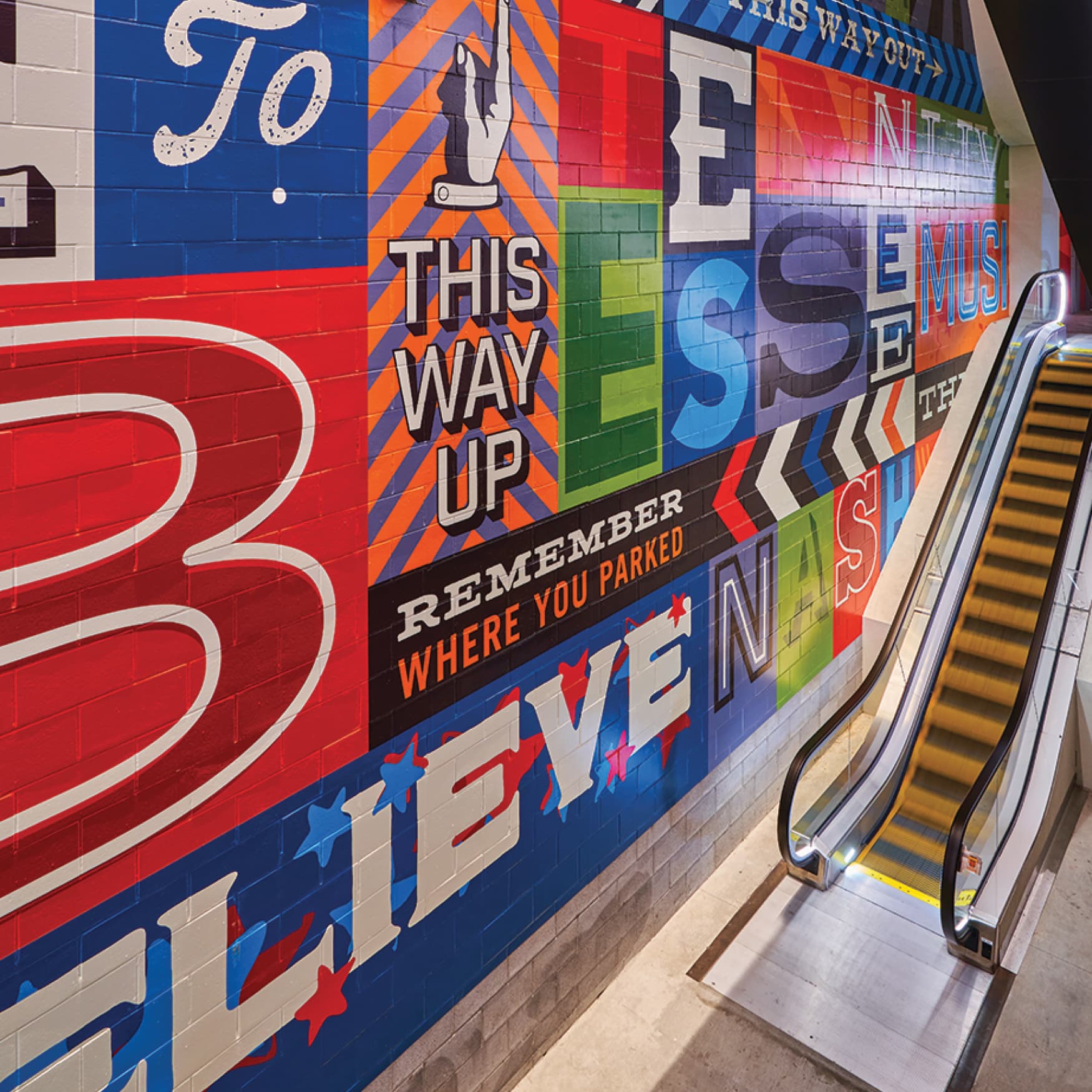
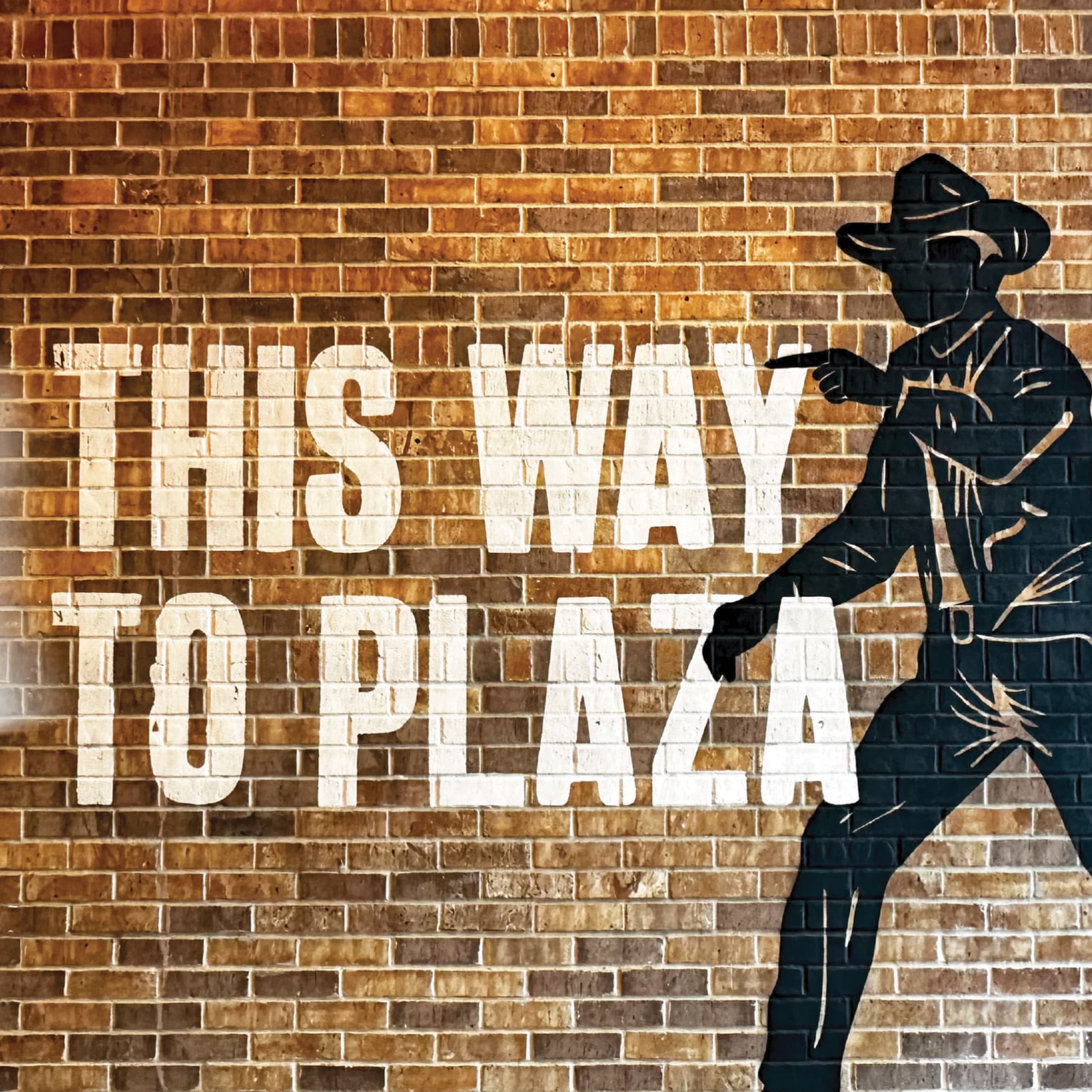
Public art serves a dual function as both aesthetic enhancement and a wayfinding tool within complex environments. Bold wall mural design, distinctive sculptures, and colorful installations become intuitive landmarks that help visitors orient themselves and remember routes through spaces. Moreover, signage and other informational touchpoints can be reimagined as artistic and aesthetic opportunities for brand development and activation. This integration of art and navigation creates a more engaging navigation experience where functional guidance feels exciting and memorable rather than purely utilitarian.
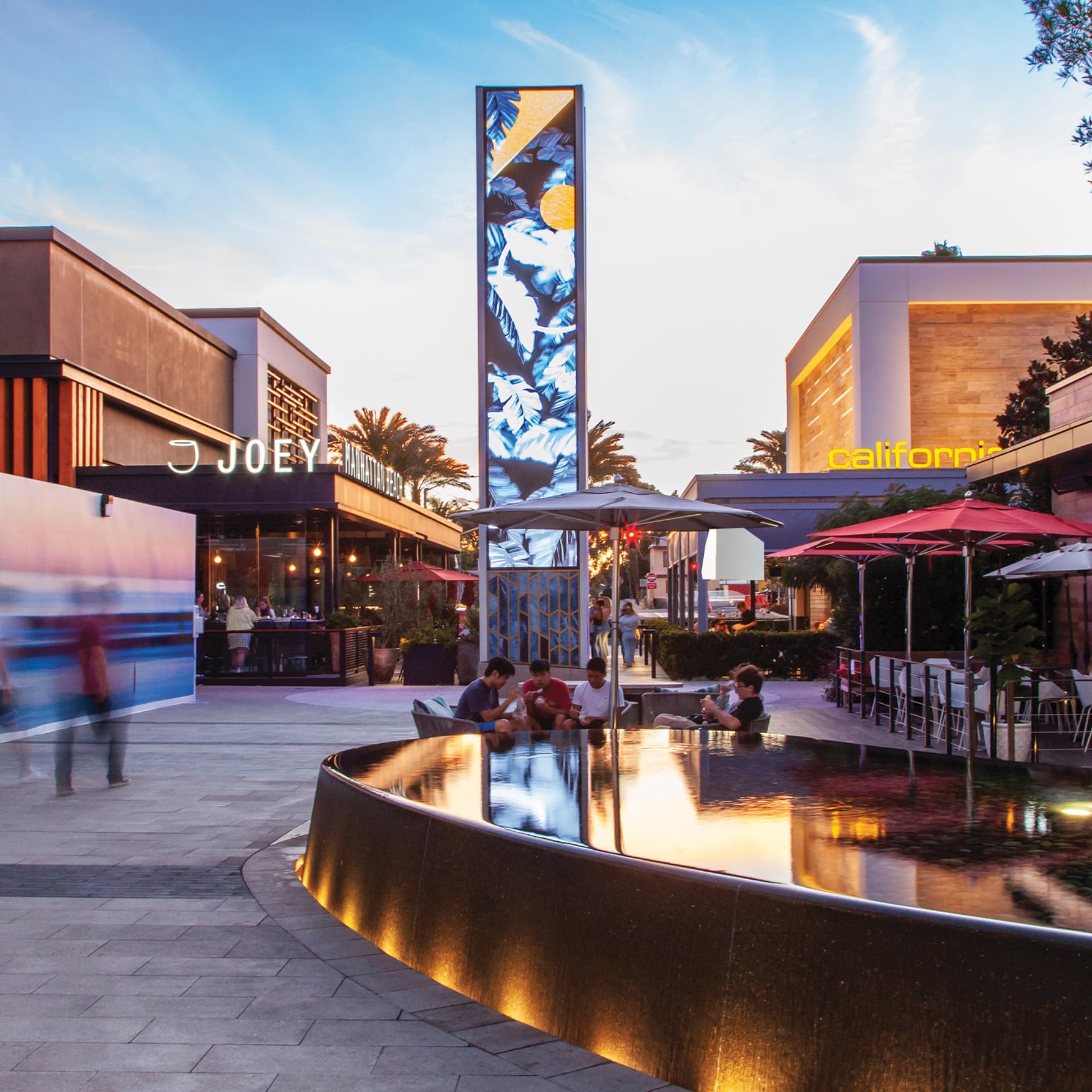
The Branding Potential of Public Art and Mural Design
The realms of public art and wall mural design present powerful opportunities for brand activation and identity reinforcement within physical spaces. When thoughtfully integrated, artistic elements can communicate brand values, tell organizational stories, and create immersive branded interiors that transform visitors, employees, and patrons into brand ambassadors. From corporate offices where murals express company imagery to mixed-use developments where public art establishes district identity, these installations serve as three-dimensional brand expressions. Strategic placement of branded art creates exhilarating moments that extend brand reach beyond the physical space; these artful moments are propelled into the communal sphere where they generate organic marketing value. In this way, public art becomes a living extension of a brand—wherein identity, storytelling, and placemaking converge to create environments that people do not merely see, but experience and remember.
See more of Brand Development
Public Art and Experiential Design
Creating the RaDD Artwalk
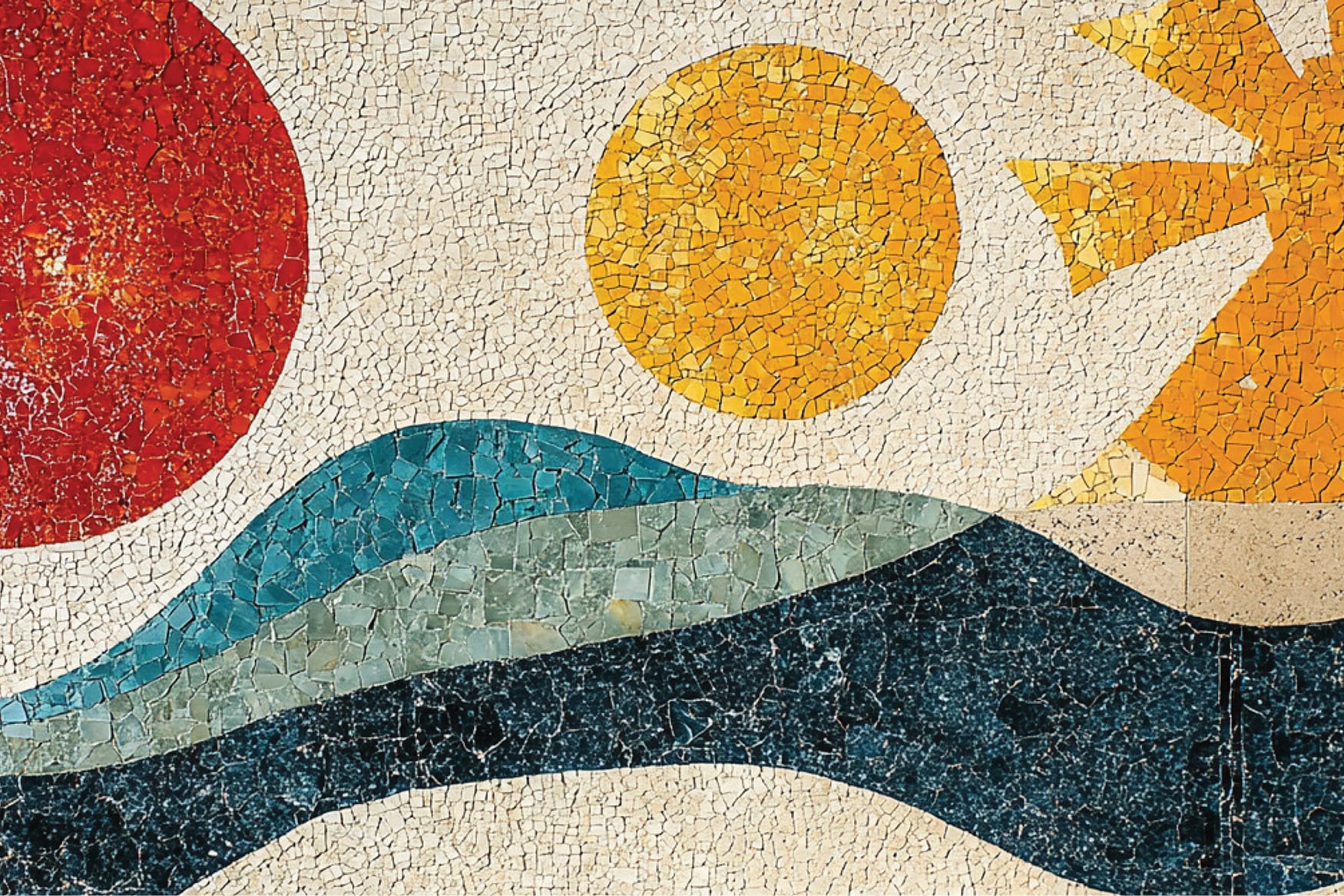
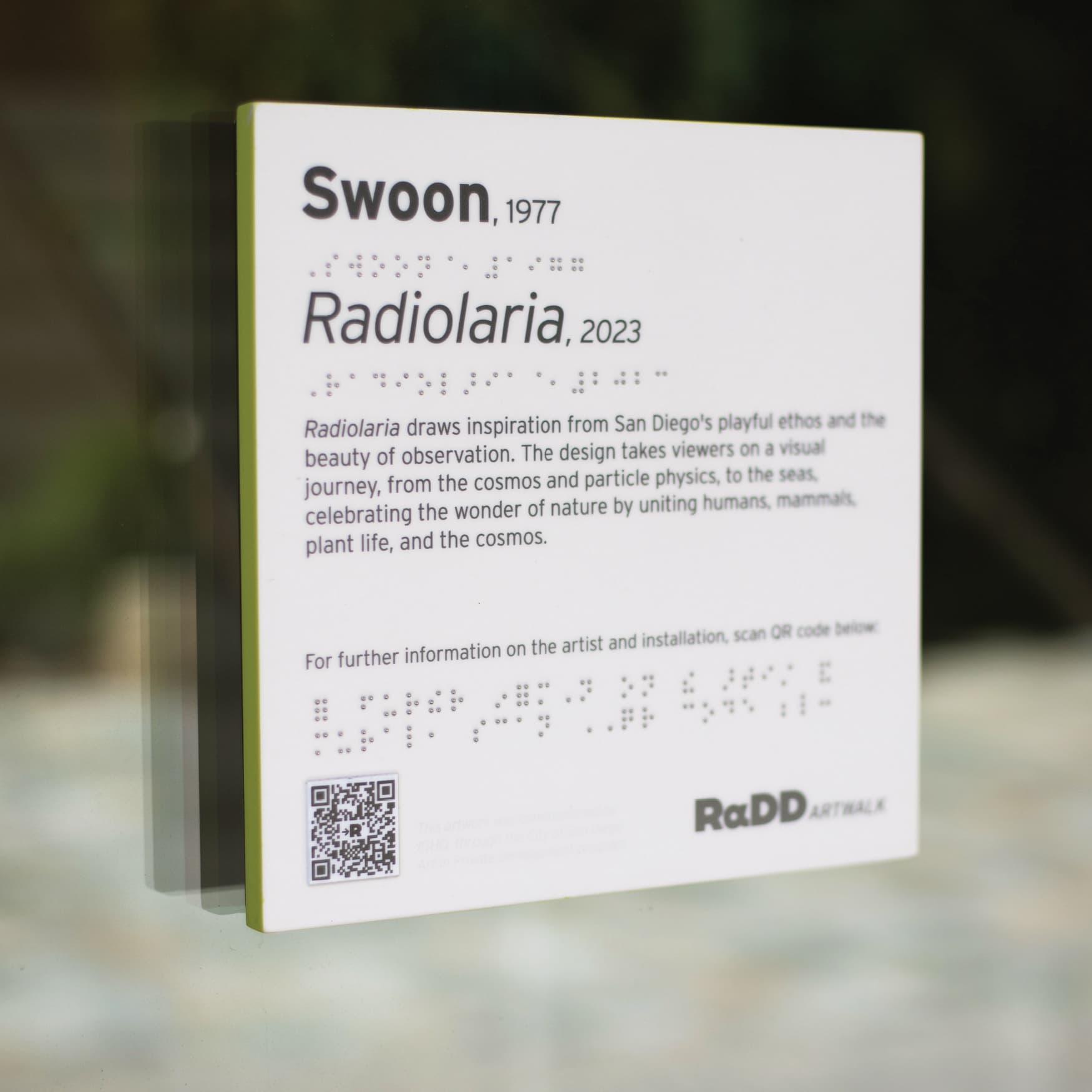
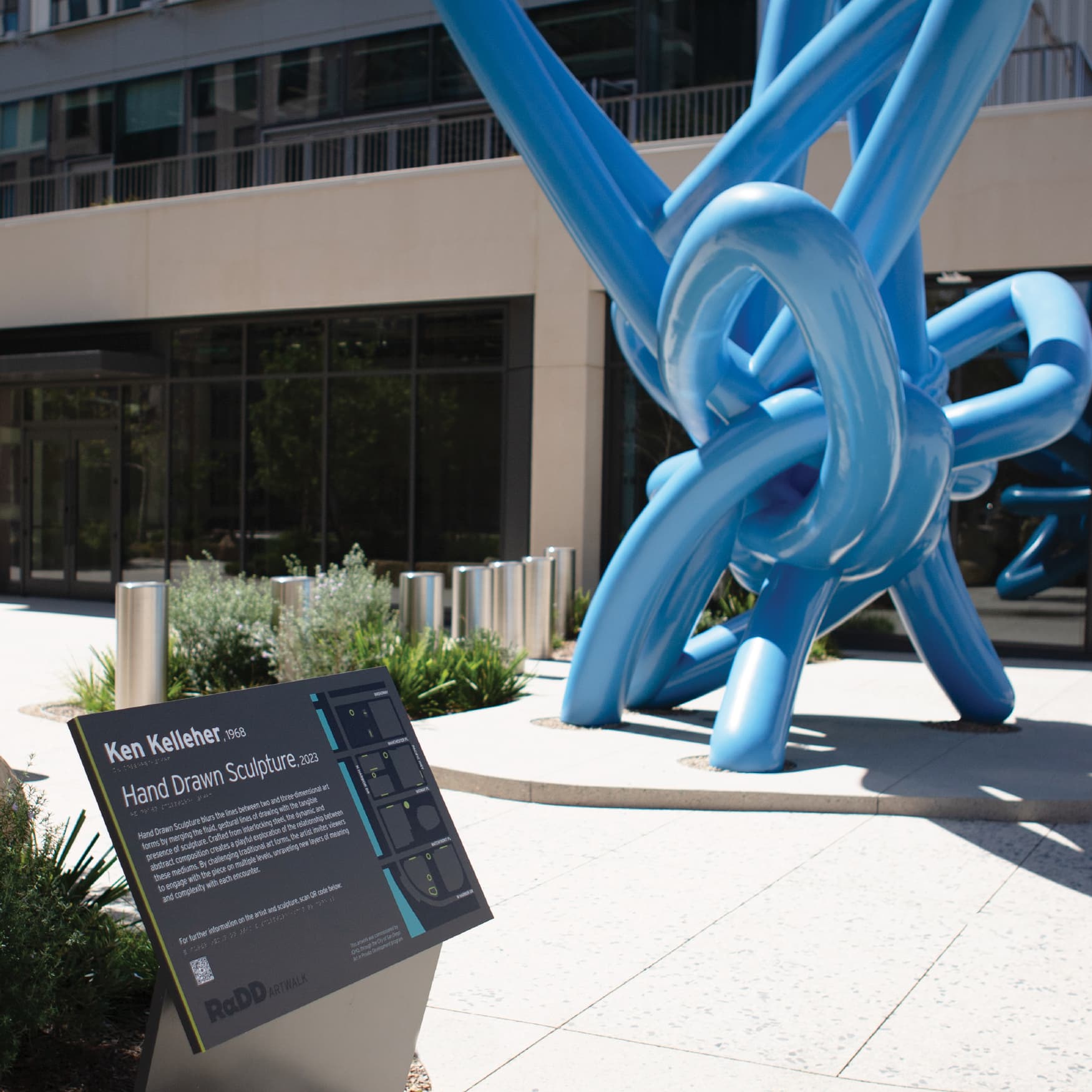
RSM Design has collaborated on a number of exceptional public art and design projects, including the RaDD Artwalk on San Diego’s waterfront boardwalk. Designed as a mixed-use development, RaDD (or the Research and Development District) is a 6-block celebration of life science, workplace, culture, retail, and public space. Art is used not only as a moment of delight and surprise but also as a functional part of the district's wayfinding system; large-scale public murals and sculptures by local and national artists, such as those featured on the district's pathways and open spaces, serve as landmarks that guide visitors through the site.
These murals not only beautify the area but also reflect the innovative, scientific ethos of the district through its design elements, incorporating chemistry, molecular imagery, and elemental grids into the installations woven throughout. The color palette of RaDD, when viewed in its entirety, draws inspiration from the coastal landscape that surrounds it; visitors are surrounded by hues that reference the bay, kelp beds, and local flora, creating a strong sense of place tied to San Diego’s natural environment. Furthermore, the integration of public art in RaDD activates the district’s in-between spaces, such as pathways and transitions, turning them into engaging, dynamic areas. By weaving art into the fabric of the district, RSM Design helped to ensure that RaDD is more than just a place to pass through—it is a destination that fosters creativity, innovation, and community to this day.
See more of RaDD
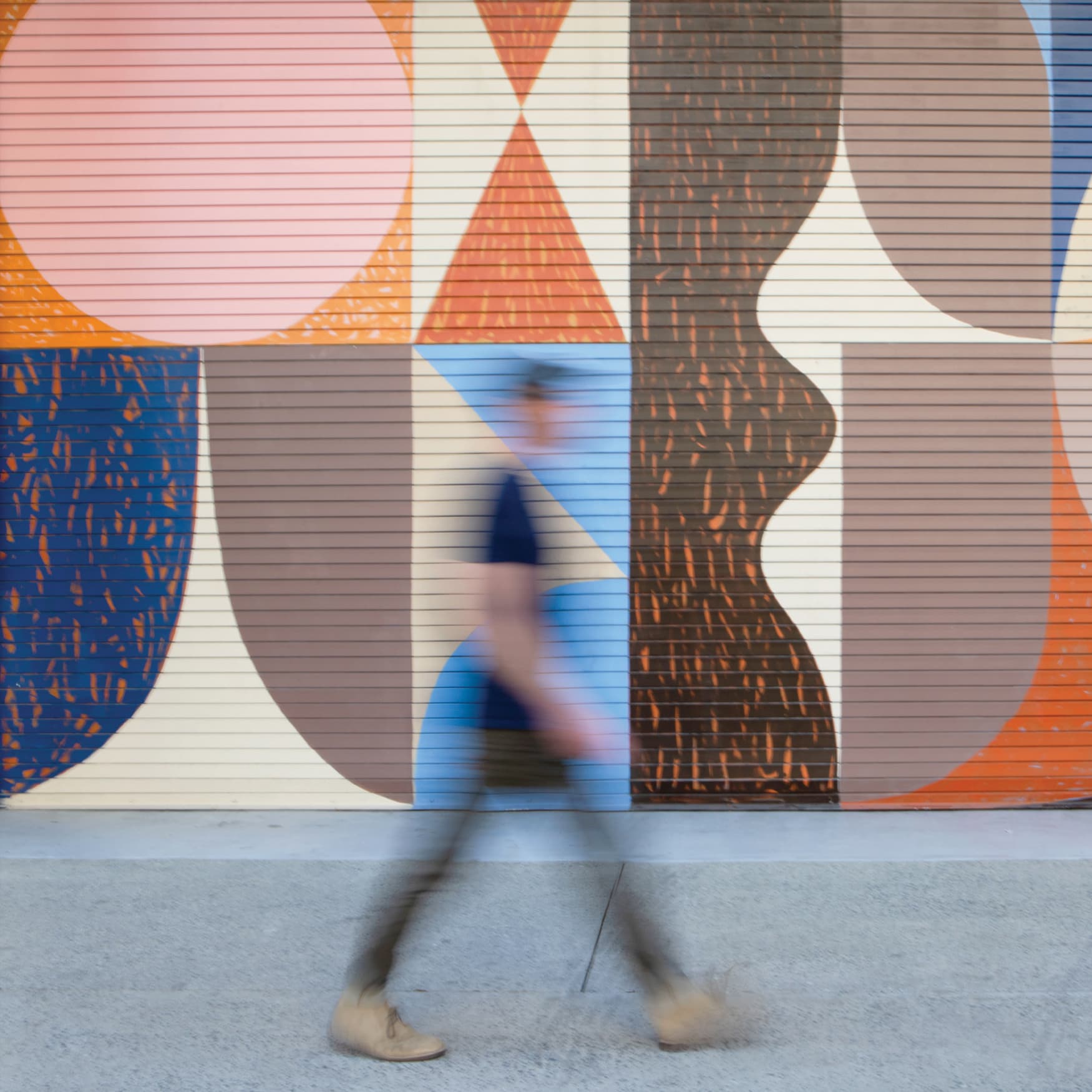
Transforming Spaces Into Stories
Public art and mural design represent far more than decoration—they are transformative tools that turn the ordinary into the extraordinary. The power of art lies in its ability to spark conversation, create memorable moments, and forge emotional bonds between people and the places they inhabit.
The disciplines of public art and design asks us to uncover what stories are waiting to be told in our environments. They inspire us to consider how color, form, and creativity can elevate a forgotten wall into a celebrated community landmark. The intersection of art, architecture, and human experience creates endless possibilities for innovation and connection, building places that people can return to again and again. Through Principle-Centered Design, public art and placemaking can elevate individual voices and visions into collective material realities. It is through creative expression that our humanity is able to truly shine on the places and spaces that matter the most.
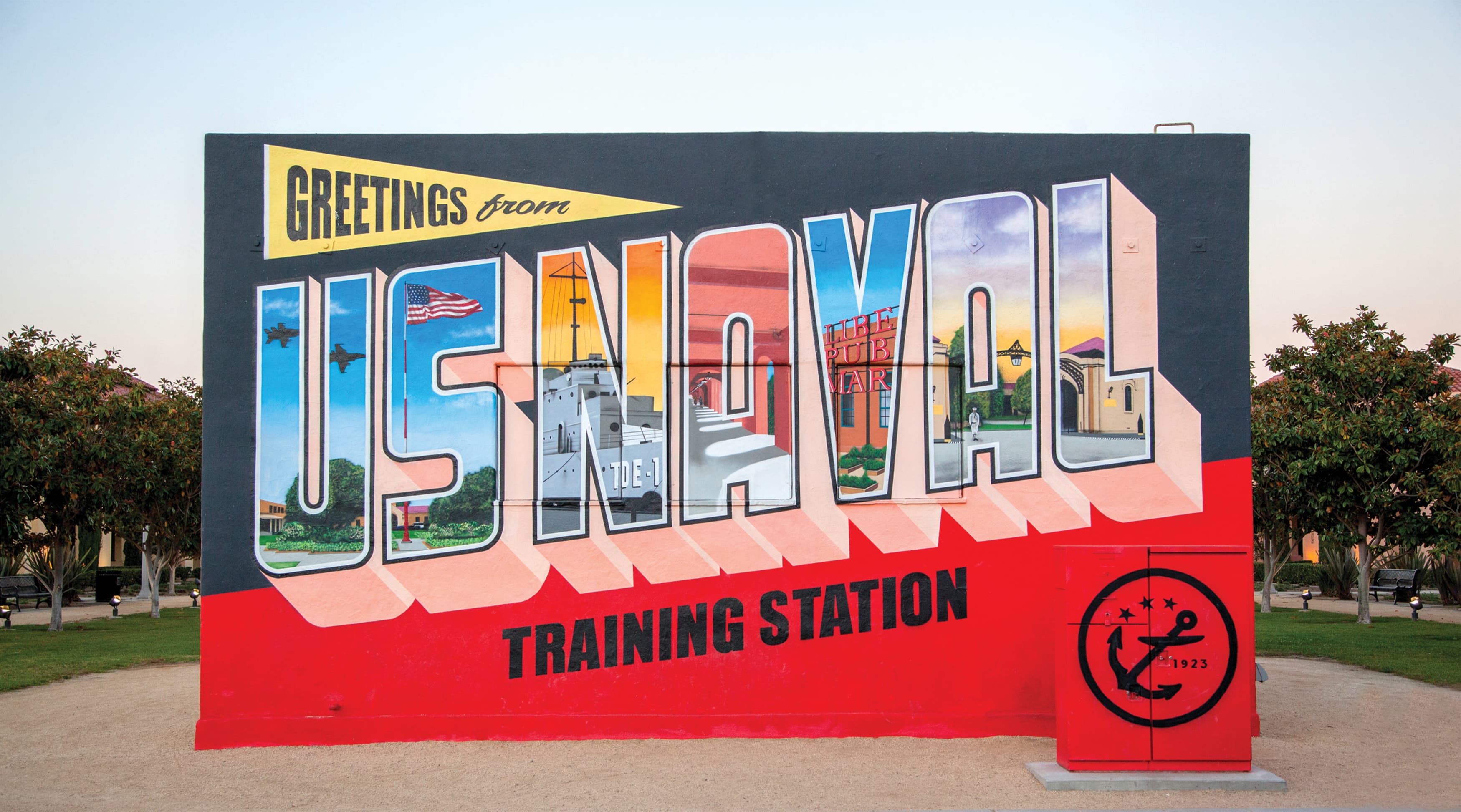
Design decisions represent the difference between spaces being breathtaking or taken for granted, between remaining transactional or becoming transformational—this is where public art truly makes its mark.
Get in touch