Wayfinding Signage Design
More than just signage, we view wayfinding as a set of experiences working in concert together to assist the user in orienting themselves and navigating to a specific destination.
Sub-services
Wayfinding Signage
Signage Systems
Signage Design
Wayfinding Programs
Wayfinding Experience Evaluation
Wayfinding Masterplans + Guidelines
Interactive Wayfinding Solutions
Especially important within the built environment, wayfinding provides visual cues to help guide people to their destinations with ease and comfort. In addition to signage, our wayfinding design services include architecture, interiors, landscape, art, lighting, and graphics. The result is a more elegant and effective solution that meets the unique needs of our clients, their environment, and its users.
Process for Wayfinding Signage and Design Elements
Working in close collaboration with key stakeholders, we act as more than just wayfinding consultants—we are partners.
Our process of crafting a wayfinding design program starts with a careful flow analysis exploring how people move through places in your environment. Following this discovery phase, we design a visual kit of parts that carries the brand voice to match the user’s needs.
Our design process engages the user from varying perspectives to create a comprehensive wayfinding system that serves the community and evolves over time as your users’ needs change.
Take a look at our signage and wayfinding design projects below, or reach out to us today about working together.
Wayfinding Signage Design Projects
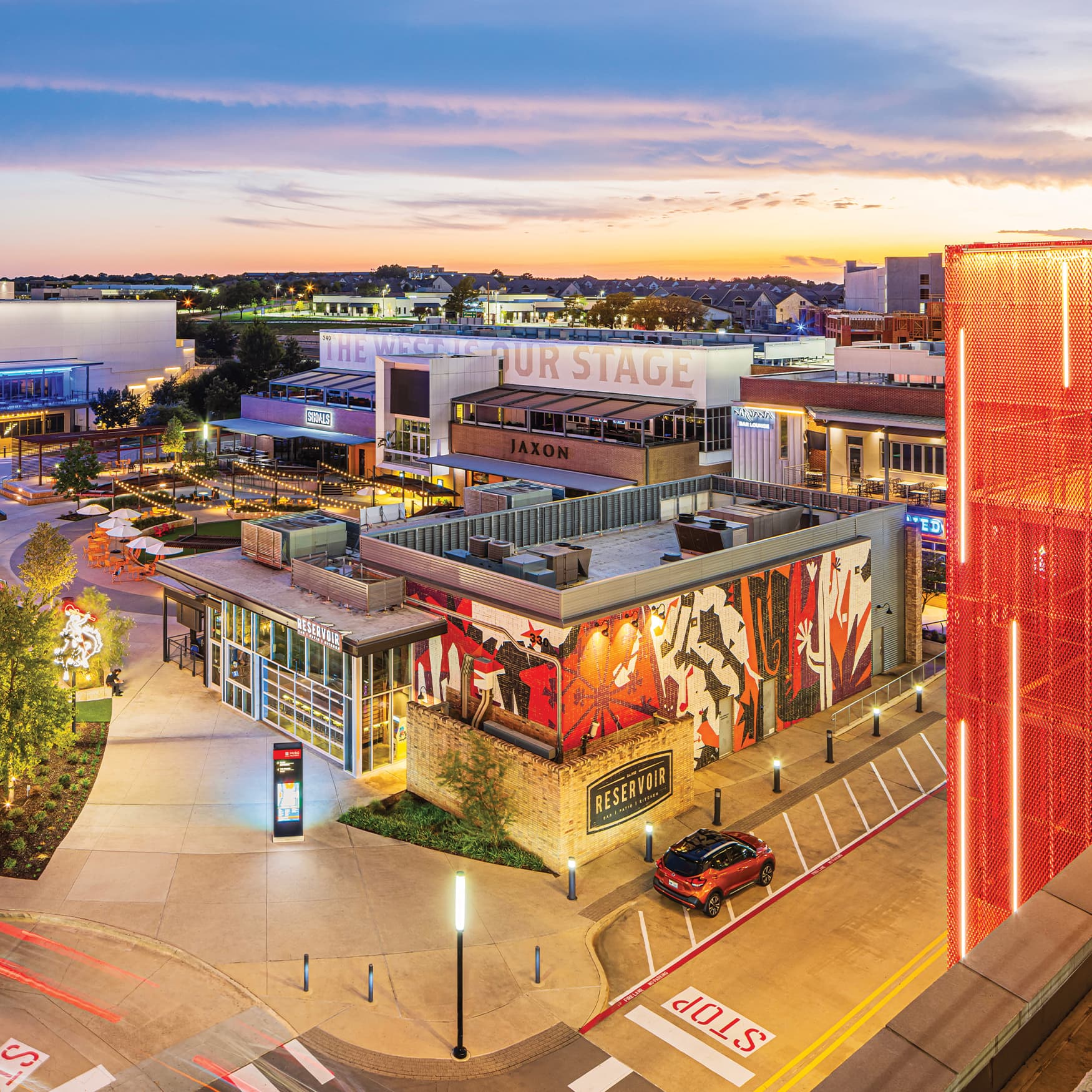
Irving, Texas
Toyota Music Factory
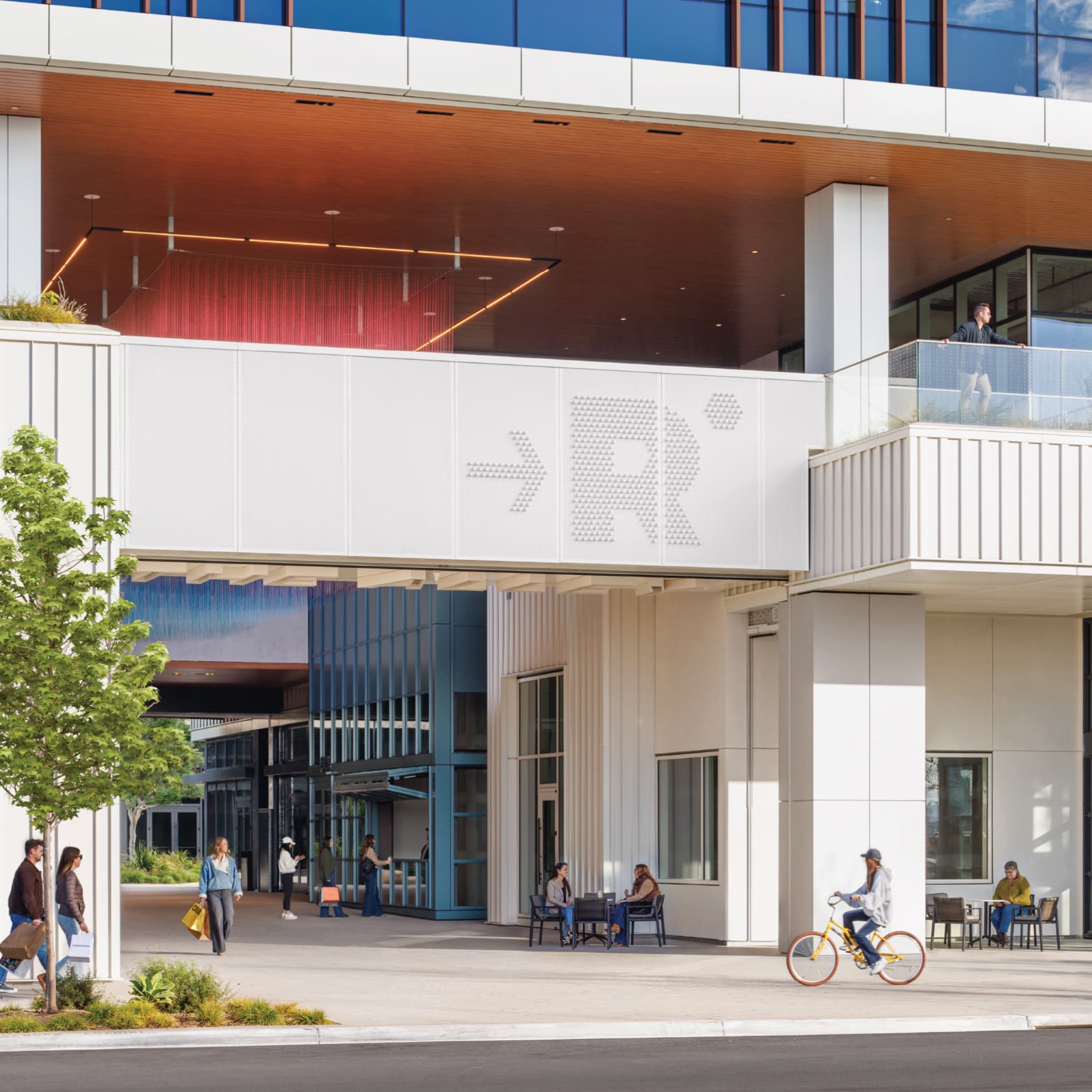
San Diego, California
RaDD: Research and Development District

Anaheim, California
Parkside Market
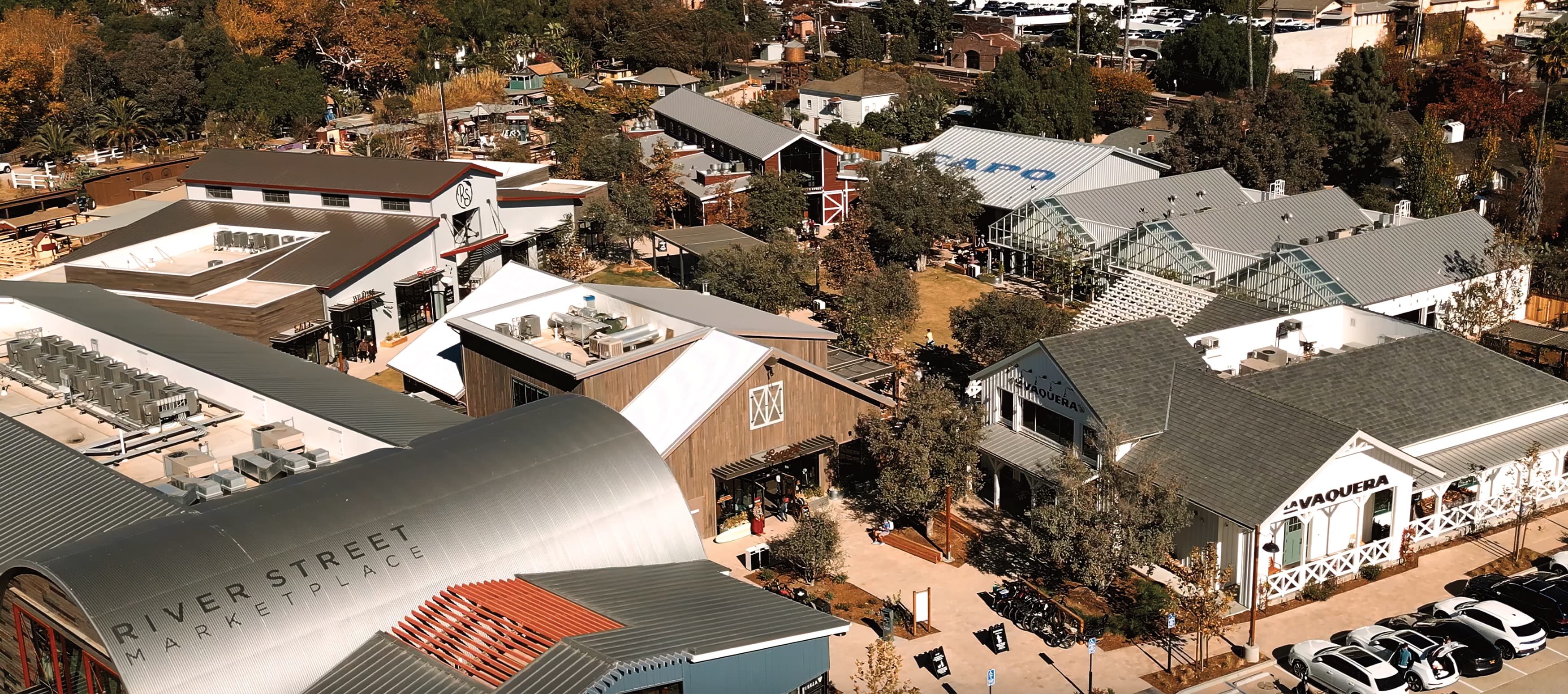
San Juan Capistrano, California
River Street Marketplace
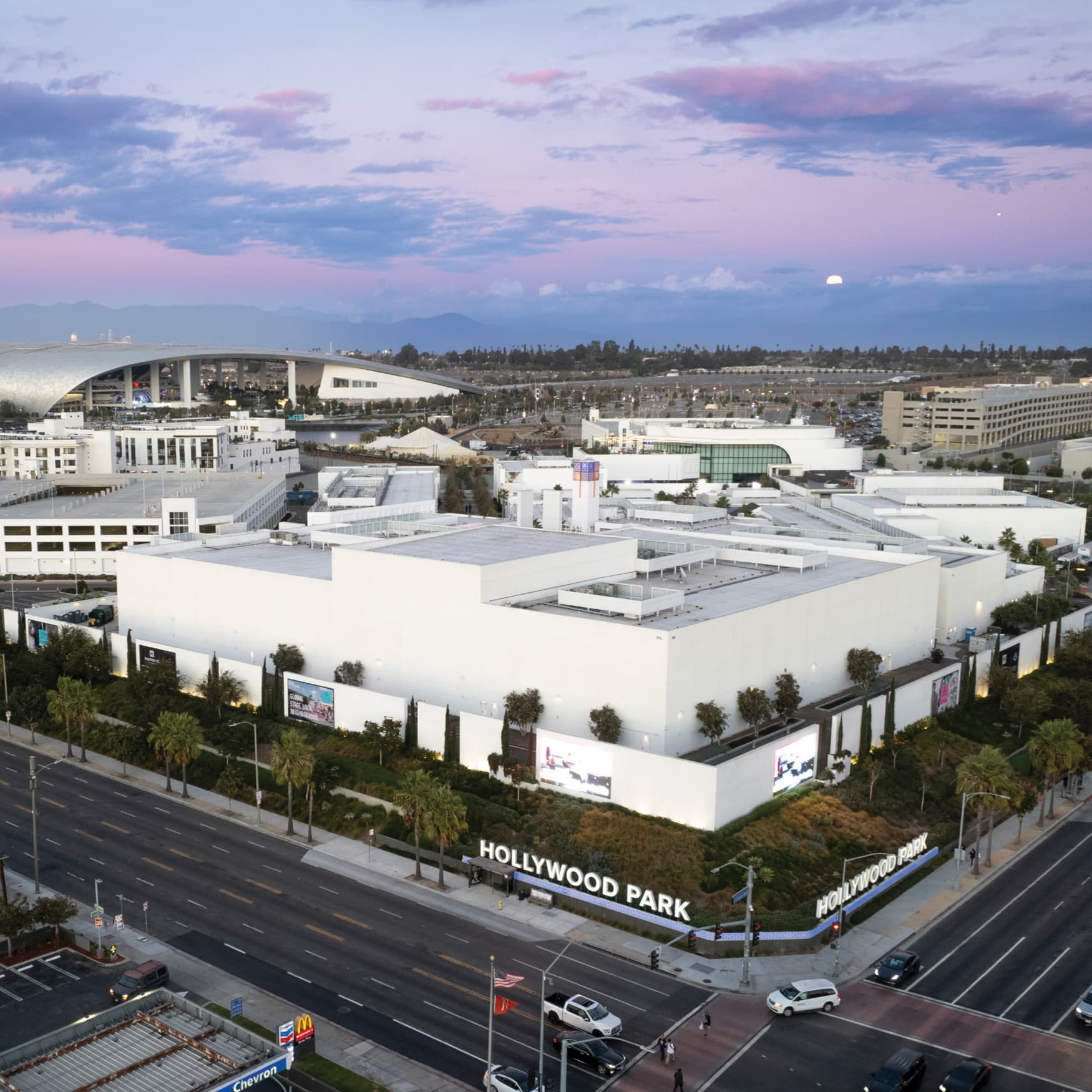
Los Angeles, California
Hollywood Park
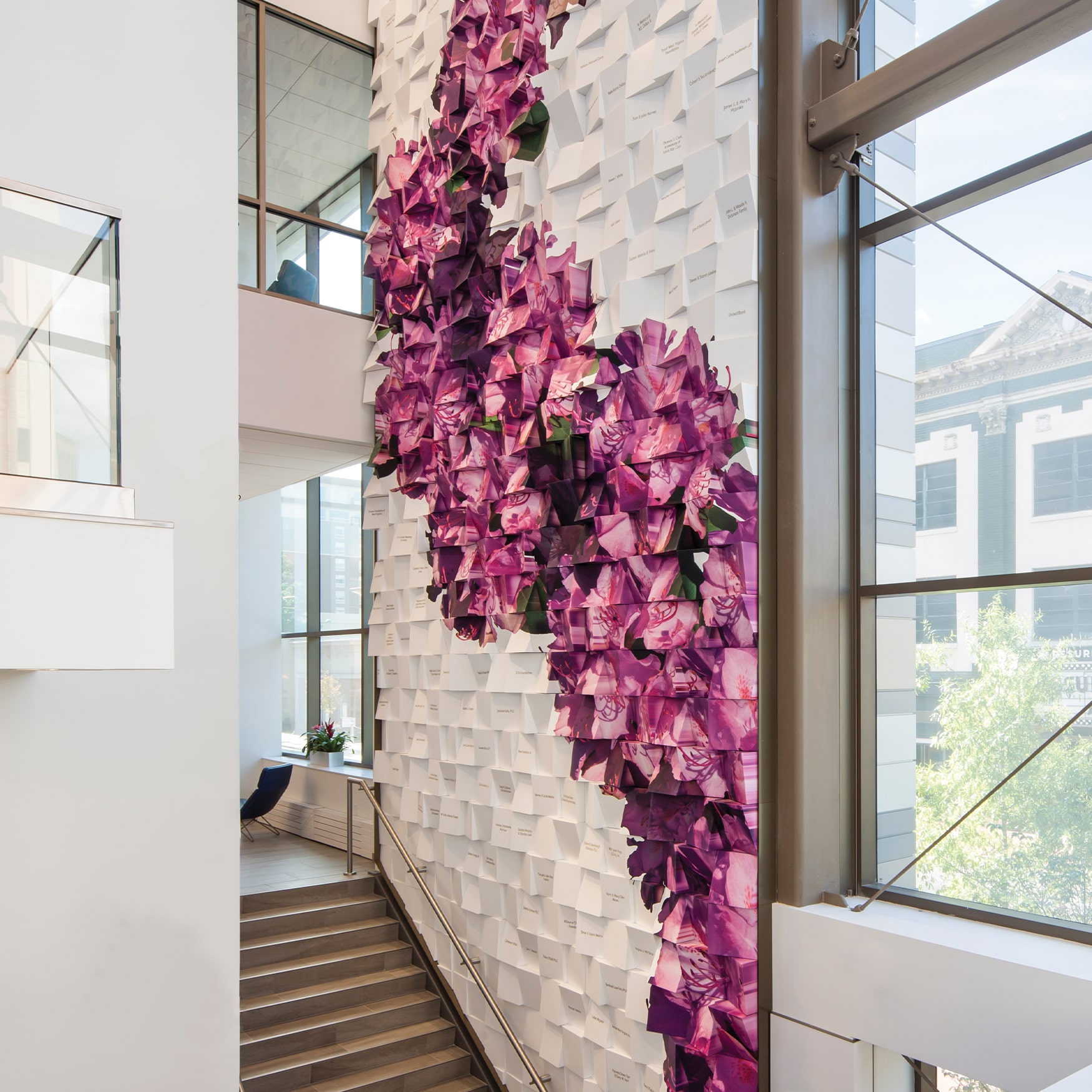
Charleston, West Virginia
Kanawha County Public Library
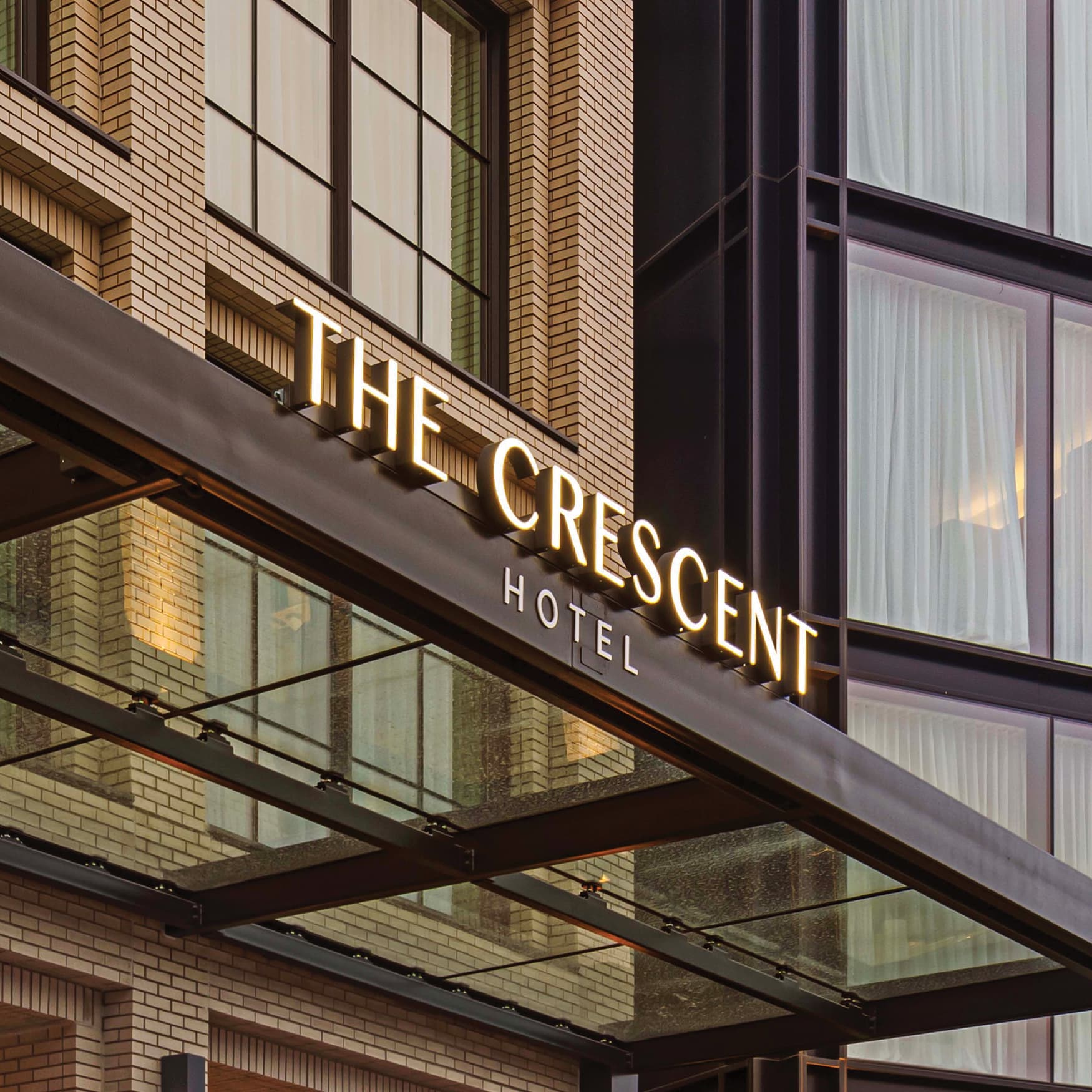
Fort Worth, Texas
The Crescent Hotel
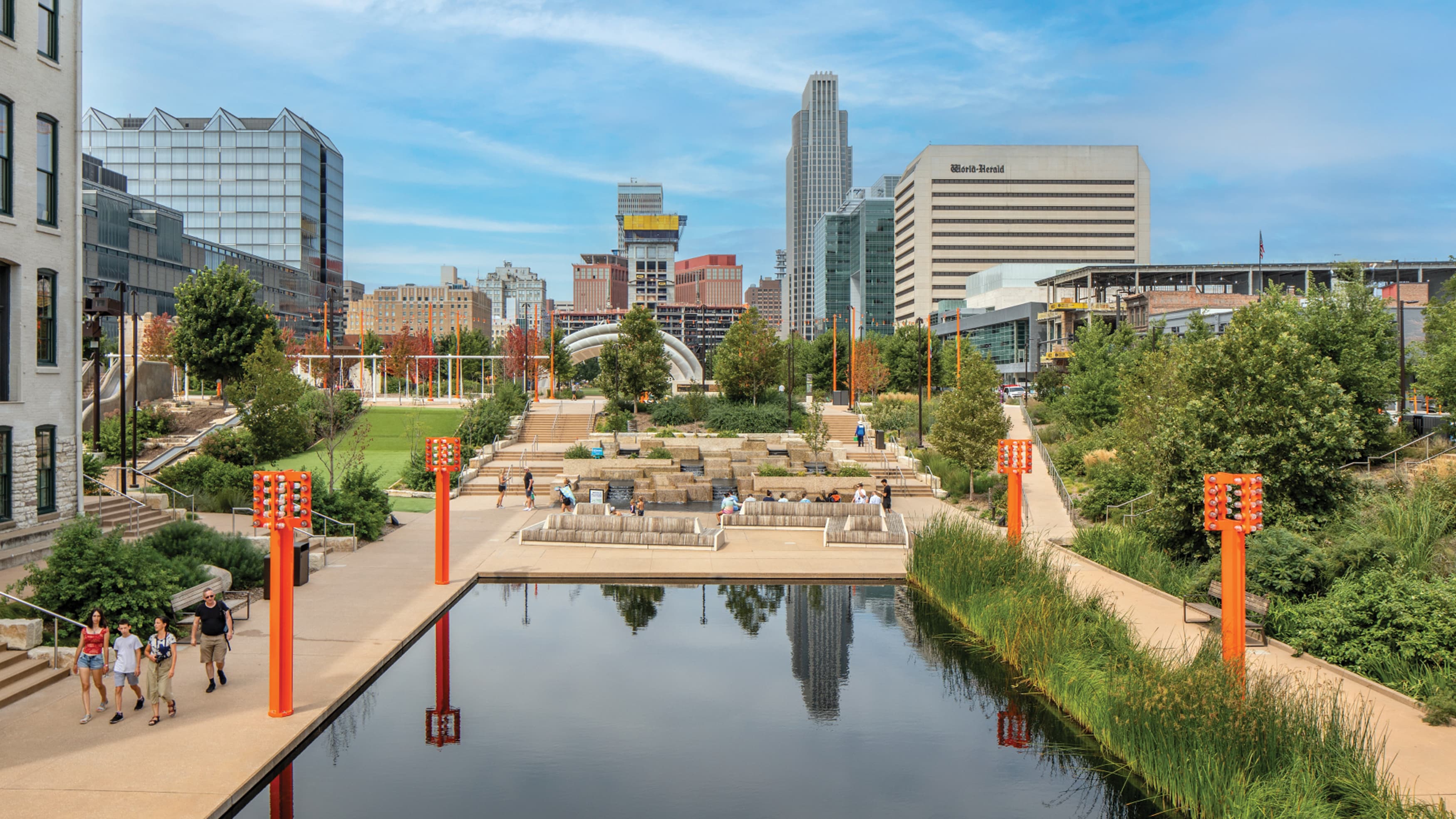
Omaha, Nebraska
The RiverFront
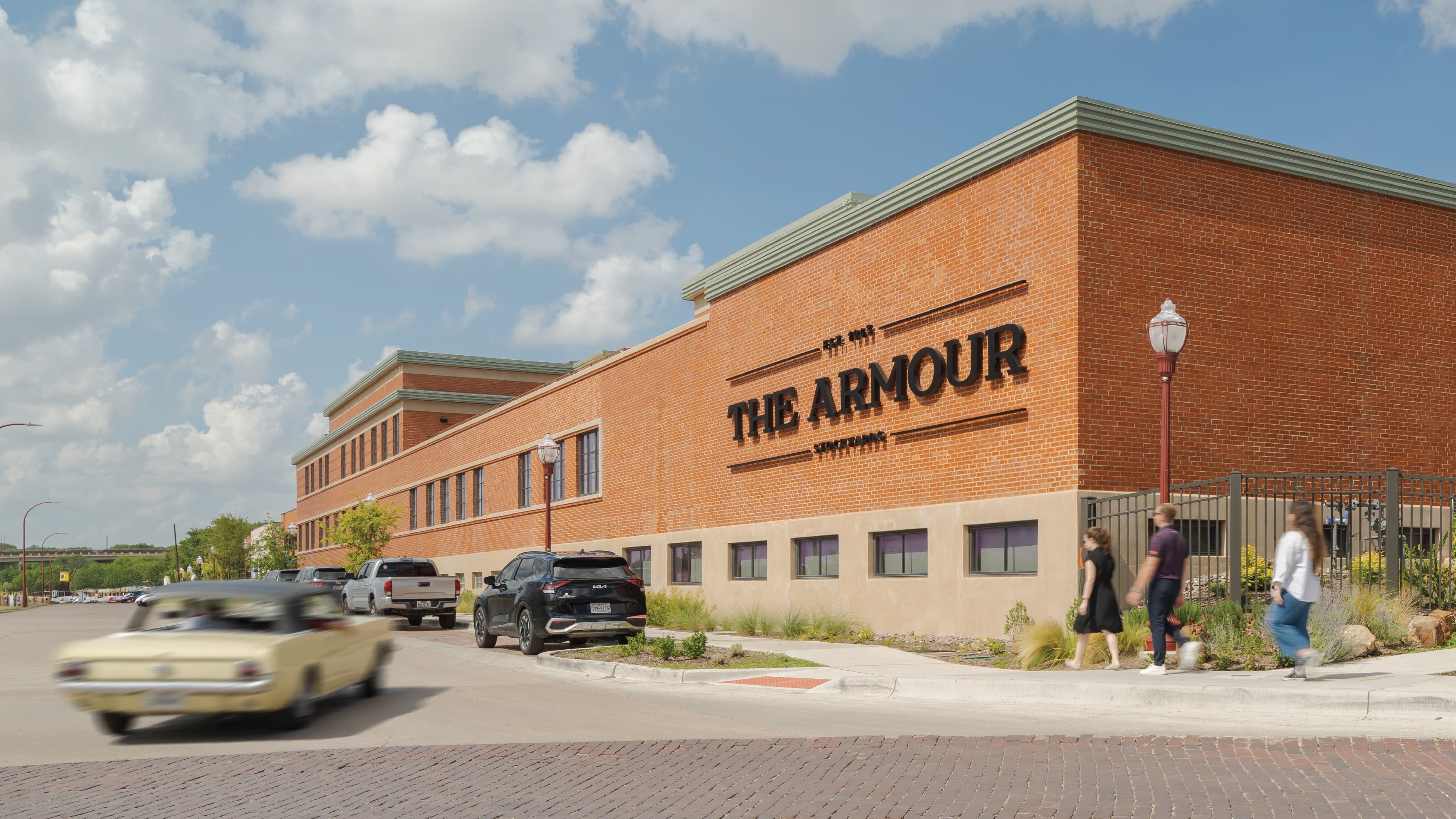
Fort Worth, Texas
The Armour Building
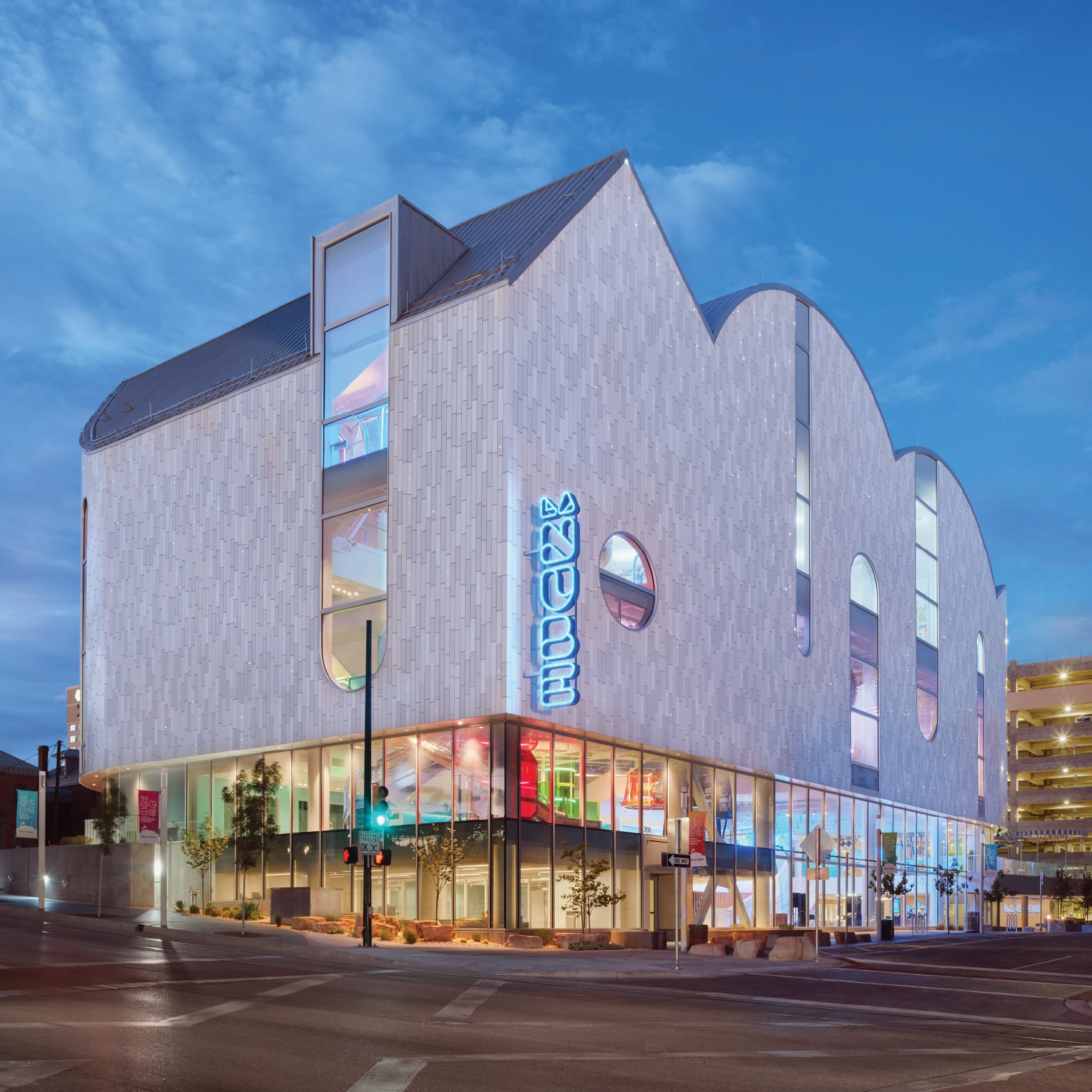
El Paso, Texas
La Nube STEAM Discovery Center
Learn More About Wayfinding Design Strategies
The Wayfinding Profile
It’s much more than signage
All disciplines of design within the built environment must consider wayfinding as a key element of the user experience – planning, architecture, interiors, landscape, and lighting are all impacted by their relationship with wayfinding. Successful wayfinding design takes a multidimensional approach that includes all of the consultants working together with a common vision based on the principles of comfort and ease of navigation. By considering numerous experiential elements collectively, a comprehensive wayfinding strategy can create a seamlessly integrated and intuitive navigation experience for individuals within any environment.
Read more
City Planning & Site Location
When a destination is located in close proximity to noteworthy landmarks, transportation hubs, or iconic attractions, it becomes easier for users to navigate successfully. This proximity allows for better spatial orientation and reduces the reliance on complex directions or extensive travel, enhancing the overall wayfinding experience.
Architecture & Interiors
Architecture and interior design can impact wayfinding by providing clear layouts and visually distinct features that help individuals navigate and orient themselves within buildings. Considerations for accessibility and universal design further enhance the wayfinding experience, ensuring that everyone can easily navigate and orient themselves comfortably.
Landscapes & Lighting
Landscape architecture and carefully curated lighting design can also play crucial roles in shaping wayfinding design. Well-designed thoughtful landscapes can provide assistance with orientation and navigation by featuring memorable elements. A properly planned lighting scheme enhances safety and visibility of the surroundings, making navigation much easier.
Wayfinding Graphics & Signage
As a critical piece of the wayfinding profile, signage and graphics fill gaps left by other areas of the built environment. Well-designed and strategically placed signage enhances navigation and improves the overall wayfinding experience by providing clear directions, identifying destinations, and conveying important information in a branded visual manner. Importantly, if the environment decodes itself, then there is less need for traditional wayfinding signage. The goal is not more wayfinding signage, but better collective wayfinding elements.
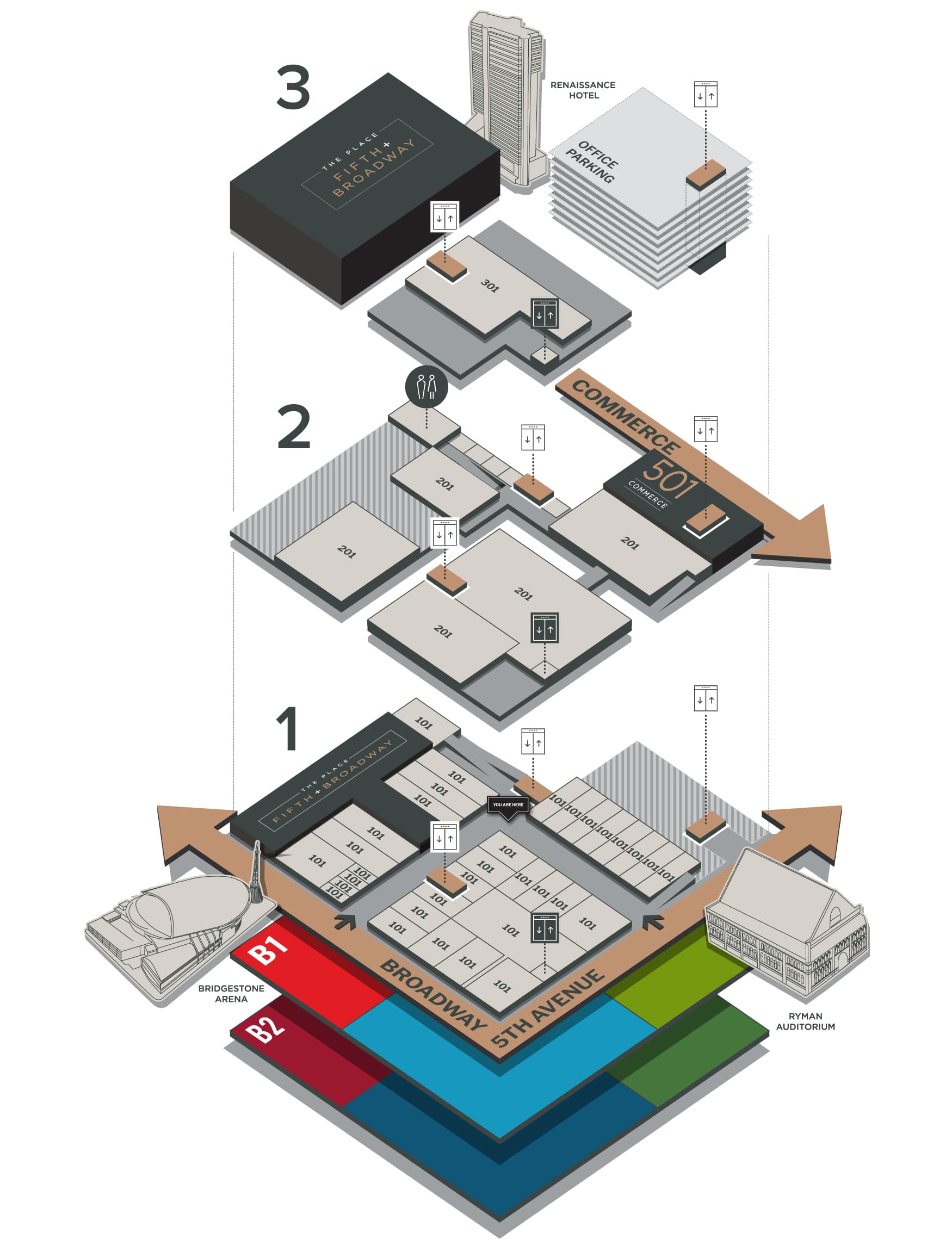
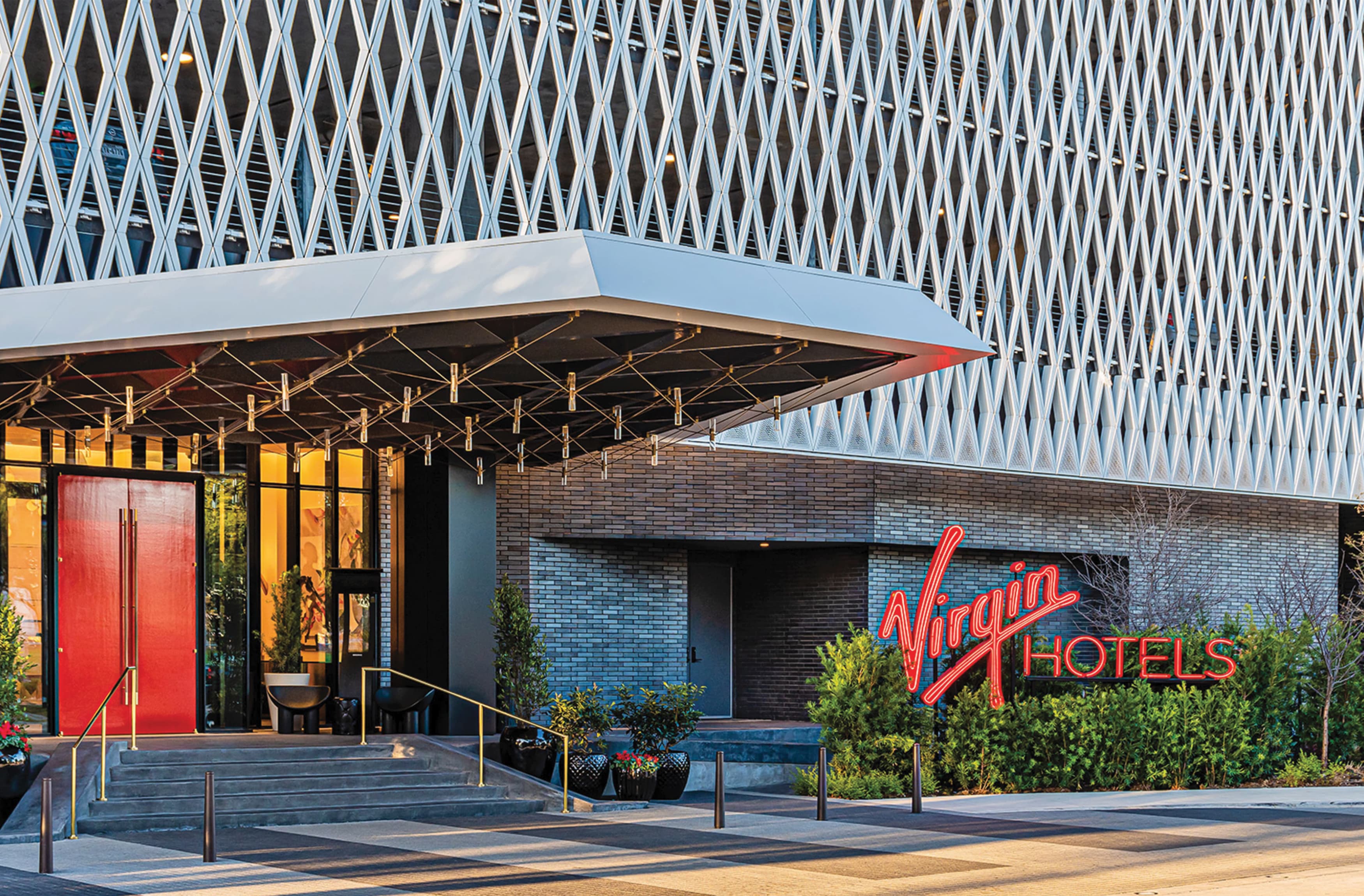
Human needs translated to space
In Abraham Maslow’s 1943 book A Theory of Human Motivation, he outlines a number of needs that build on each other: physiological needs, food, water, warmth, rest, safety, love and belonging, esteem, and self-actualization.
These can be reinterpreted for the built environment in the form of Certainty, Variety, and Delight. These three key human needs are a guide to developing a suite of elements that people are drawn to instinctively because they satisfy basic human needs that are desired subconsciously.



01 /
Certainty
Maps, Arrows, Labels, Symbols
Certainty deciphers the environment for the user and primarily identifies uses, assists with navigation, and directs traffic. One can let their guard down with the understanding of the environment, and these elements of certainty provide assurance and comfort. All aspects of the wayfinding profile assist in creating certainty for the user.
02 /
Variety
Scale, Color, Pattern, Form
Variety keeps things interesting while providing a functional breakdown of the overall experience into smaller, more intimate experiences. These varying areas denoted by differing elements carry the same DNA origins, but help with the user’s cognitive mapping of an environment.
03 /
Delight
Sculpture, Art, Whimsy, Surprise
Delight is the fun part—it’s the colorful sculpture or mural or unexpected feature where people want to engage and experience on an emotional level. These landmark moments add to the wayfinding experience in subtle, intuitive ways and typically inform the personality of the place through interpretation of various influences such as culture, community, history, and emotion.
Where did the term wayfinding come from?
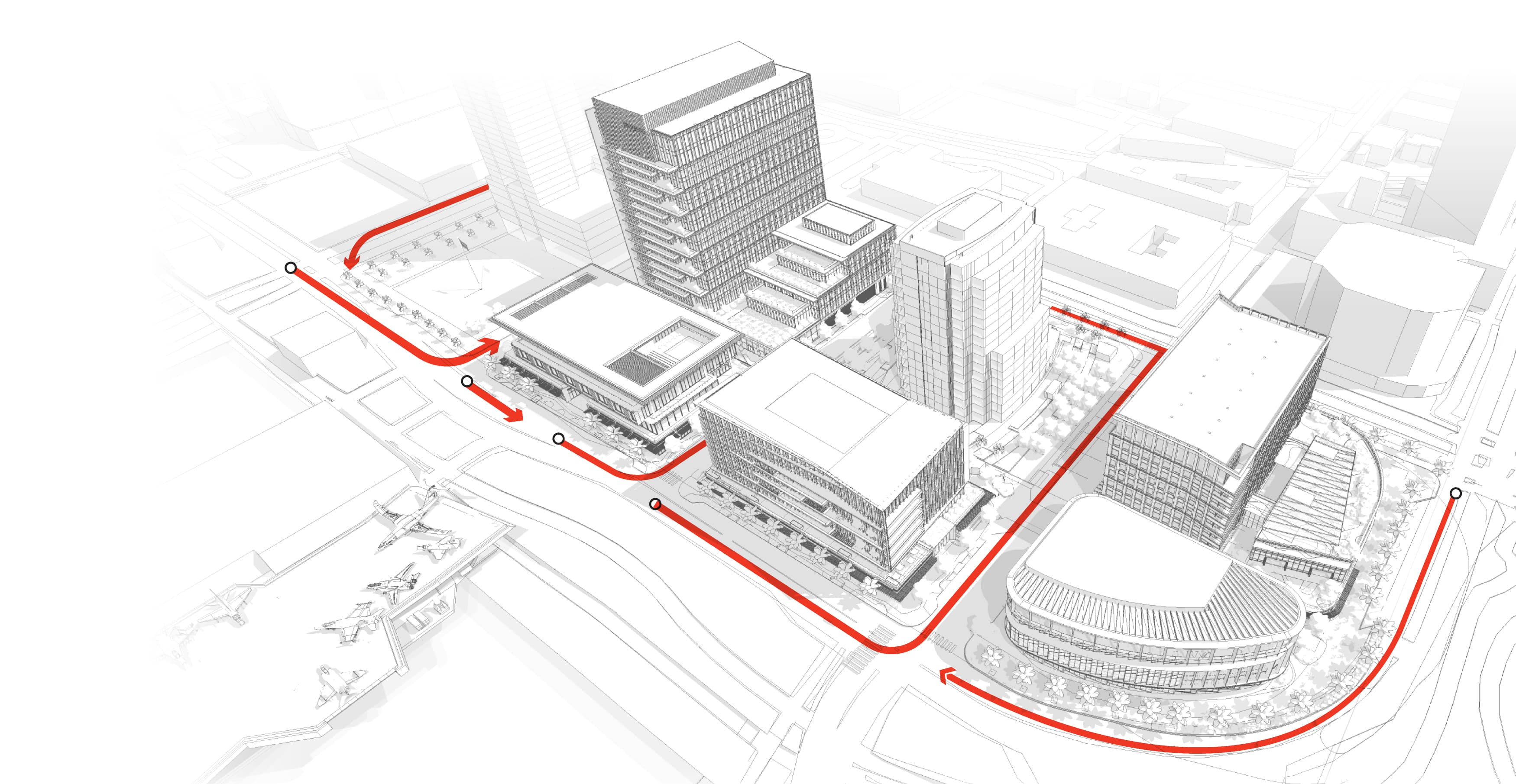
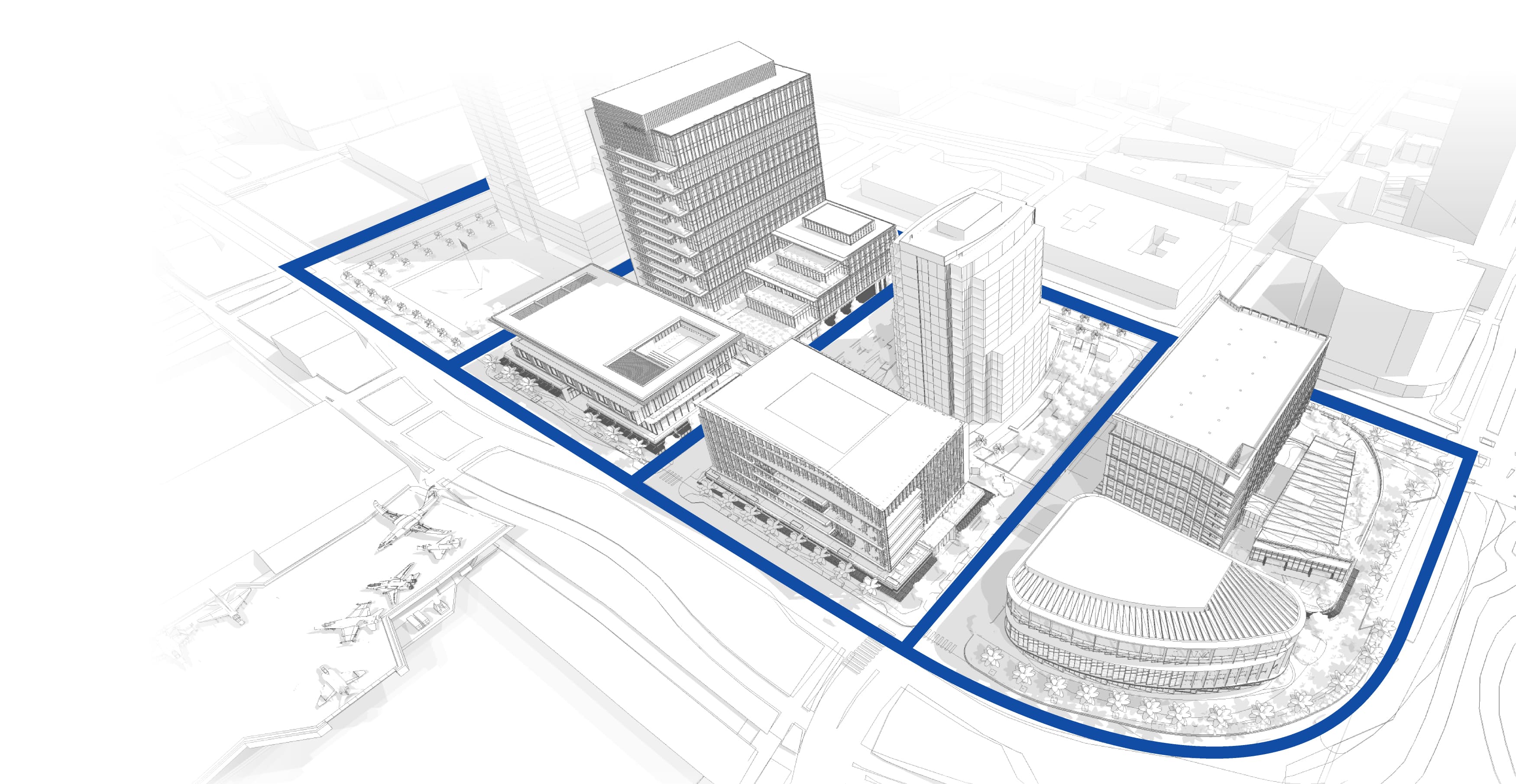
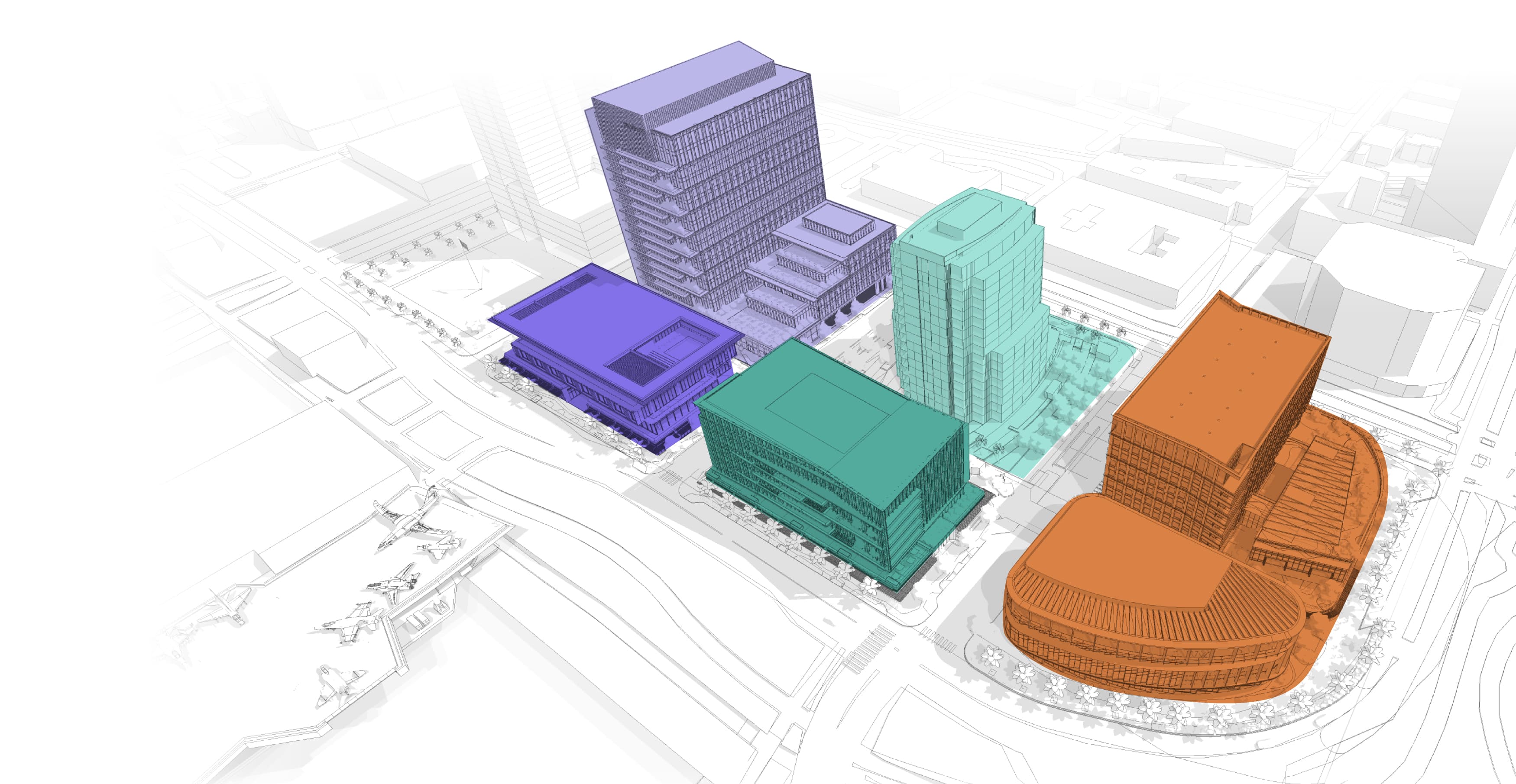
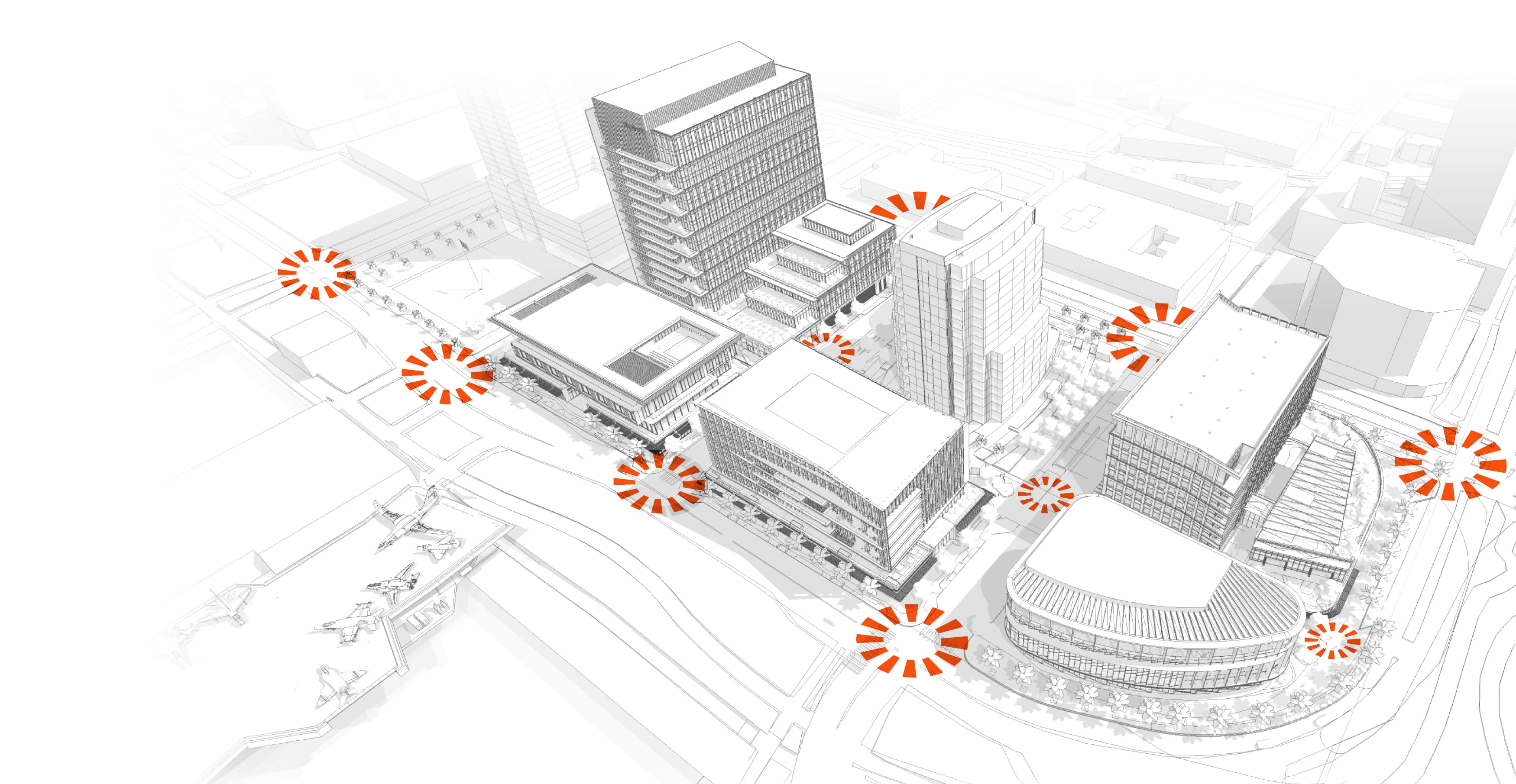
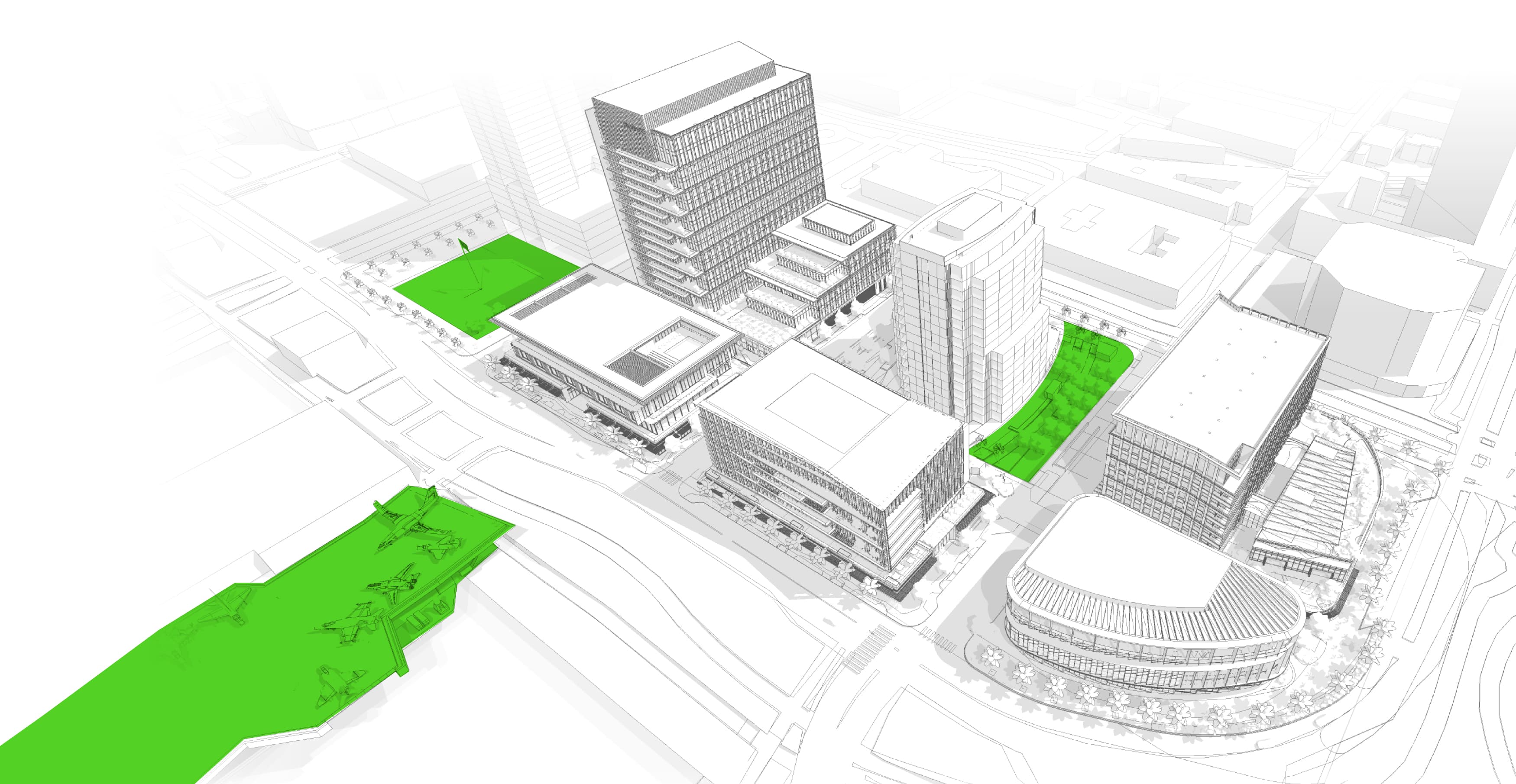
One can’t discuss wayfinding within the built environment without mentioning Kevin Lynch and The Image of the City where he shared that a city or space can be “classified into five types of elements: paths, edges, districts, nodes, and landmarks.” These elements acting at multiple scales facilitate clear movement throughout a place for vehicles and pedestrians. Wayfinding, which is truly everywhere in the built environment, becomes a critical component of navigation.
Structuring and identifying the environment is a vital ability among all mobile animals.
Paths
“The channels along which the observer customarily, occasionally, or potentially moves. They may be streets, walkways, transit lines, canals, railroads.” These channels provide the framework for wayfinding design as they directly facilitate movement and connections.
Edges
“The boundaries between two phases or linear breaks in continuity; shores, edges of development, walls.” Edges can be porous to invite people in, or restrictive to define a boundary, but they can act as organizing elements in the overall experience.
Districts
“Medium-to-large sections of the city, conceived of as having two-dimensional extent, which the observer mentally enters ‘inside of,’ and which are recognizable as having some common, identifying character.” Districts break the visitor’s experience into more discrete and definable places that assist the user in more clearly comprehending the overall sense of place.
Nodes
“The focus and epitome of a district, over which their influence radiates and of which they stand as a symbol.” The nodes are intersections of decision making points and are critical to clearly articulate, as these oftentimes are key wayfinding moments.
Landmarks
Landmarks function as a strong point of reference, “but in this case the observer does not enter within them, they are external.” Differing scale is critical to their function in the context. A colored light, for example, might be the landmark in a park, while a mountain becomes the landmark of a city. These intuitive and consistent clues provide the guest with a reference point from which direction or position may be established to ease navigation.
Topic series
Articles on Wayfinding Design
01 /
What is Wayfinding?
What is wayfinding? It's a system of elements working together to provide clarity and assistance to people in a built environment. Learn more.
Read article
02 /
What’s Next in Wayfinding?
What is digital wayfinding, and what is its future? Read our guidance and insights from over 25 years of industry experience today.
Read article
03 /
Three Voices: Conversations on Wayfinding
In the following conversation, Kyle Richter, Cody Clark, and Harry Mark FAIA reflect on their extensive experiences and insights gained as leaders in the field of wayfinding design.
Read article
Wayfinding Signage Markets
RSM Design specializes in creating intuitive wayfinding sign design and solutions for a diverse range of markets, including hospitality, healthcare, mixed-use, residential, and corporate. Essentially any private or public place is within our domain. Leveraging our expertise in developing wayfinding systems, we transform spaces into accessible, engaging, and memorable destinations tailored to each project's unique needs and identity.
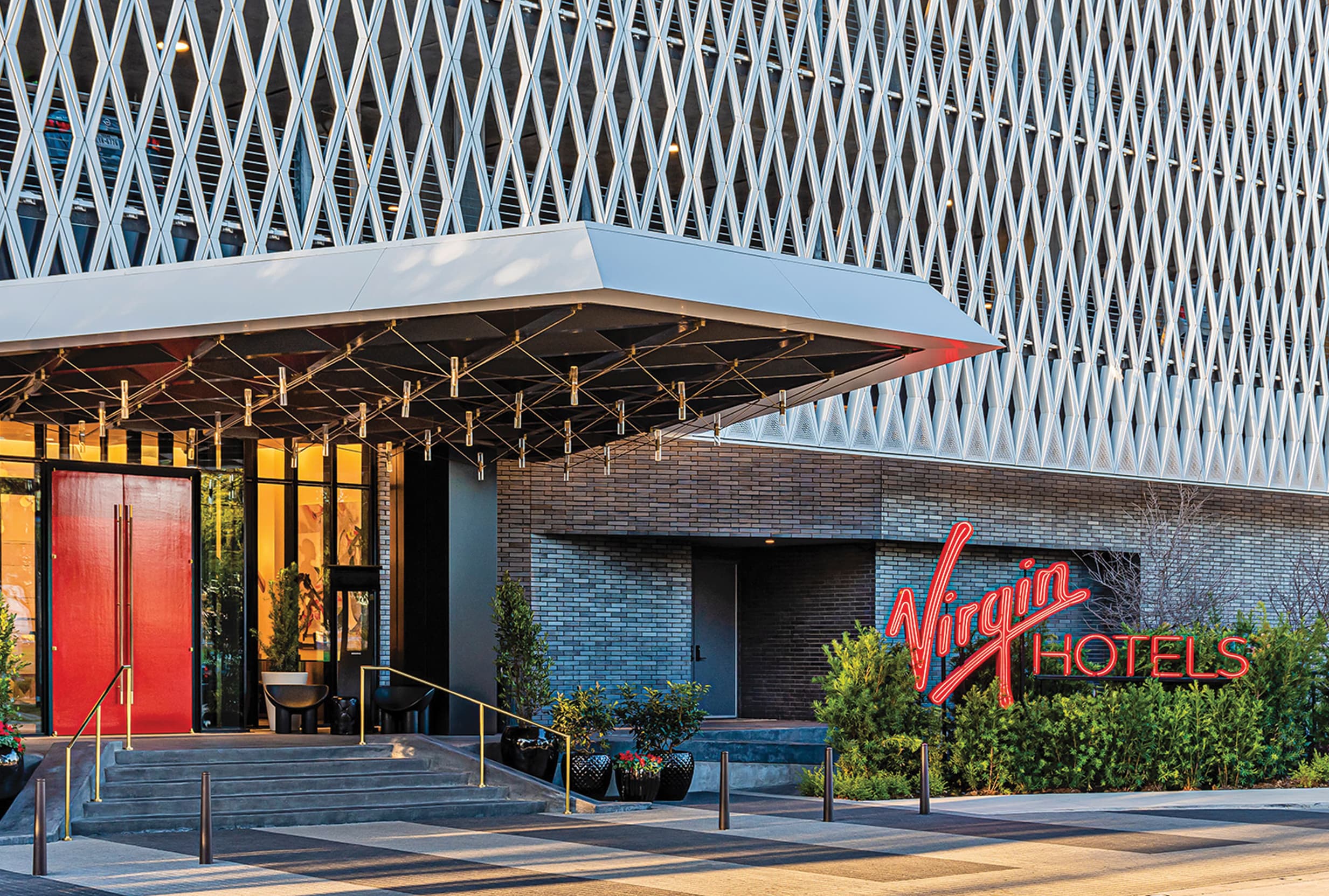
Hospitality Wayfinding Signage
Wayfinding signage design tailored to the needs of hotels, resorts, and the hospitality sector.
Read more
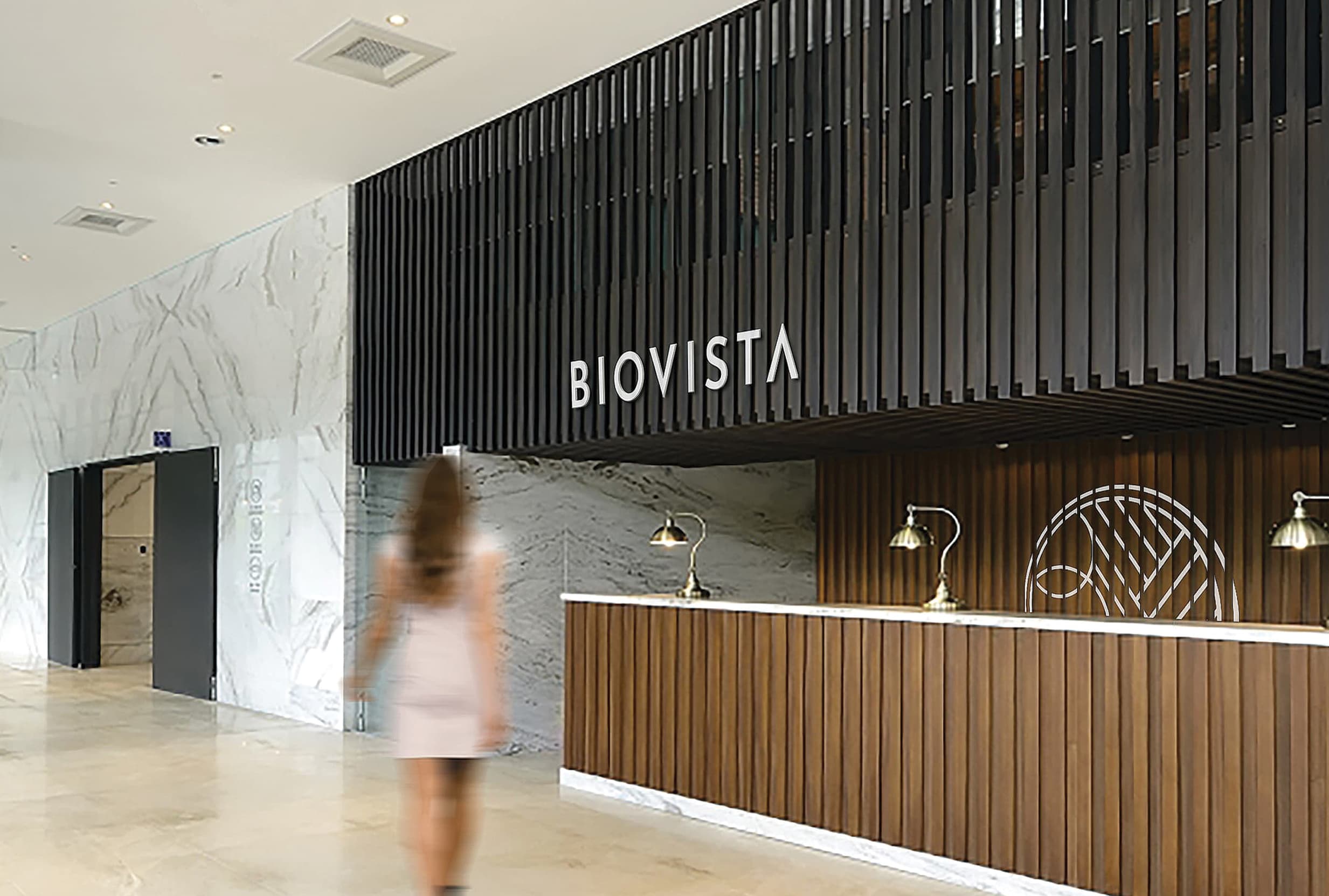
Health & Wellness
Starting with meticulous research, we plan and strategize for the wayfinding signage design needs of each hospital, medical center, or clinic.
Read more
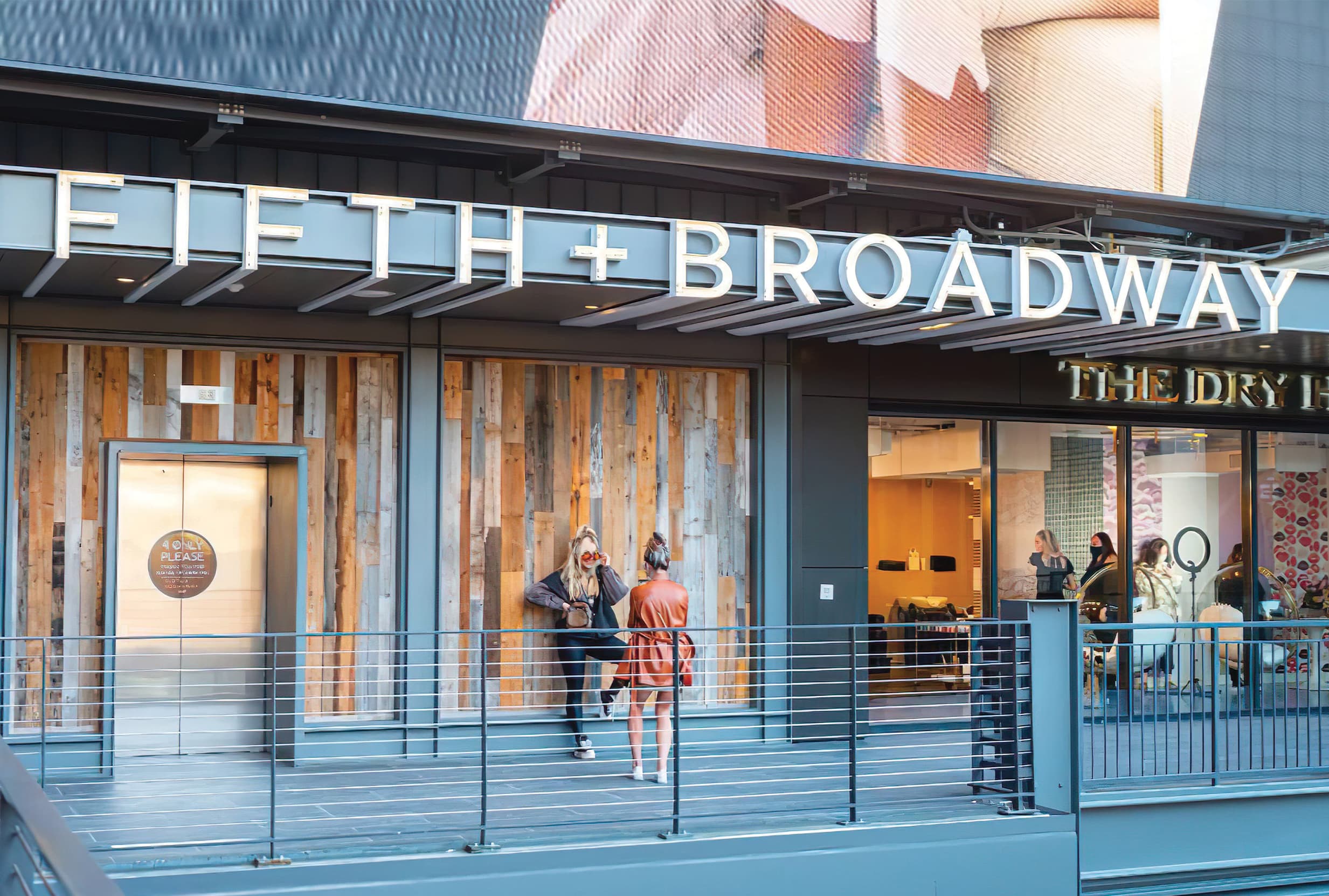
Mixed-Use Wayfinding
Adaptable wayfinding signage design systems that suit the variety of needs at mixed-use developments.
Read more

Sports & Entertainment
Wayfinding signage design for sports-focused venues and entertainment districts.
Read more
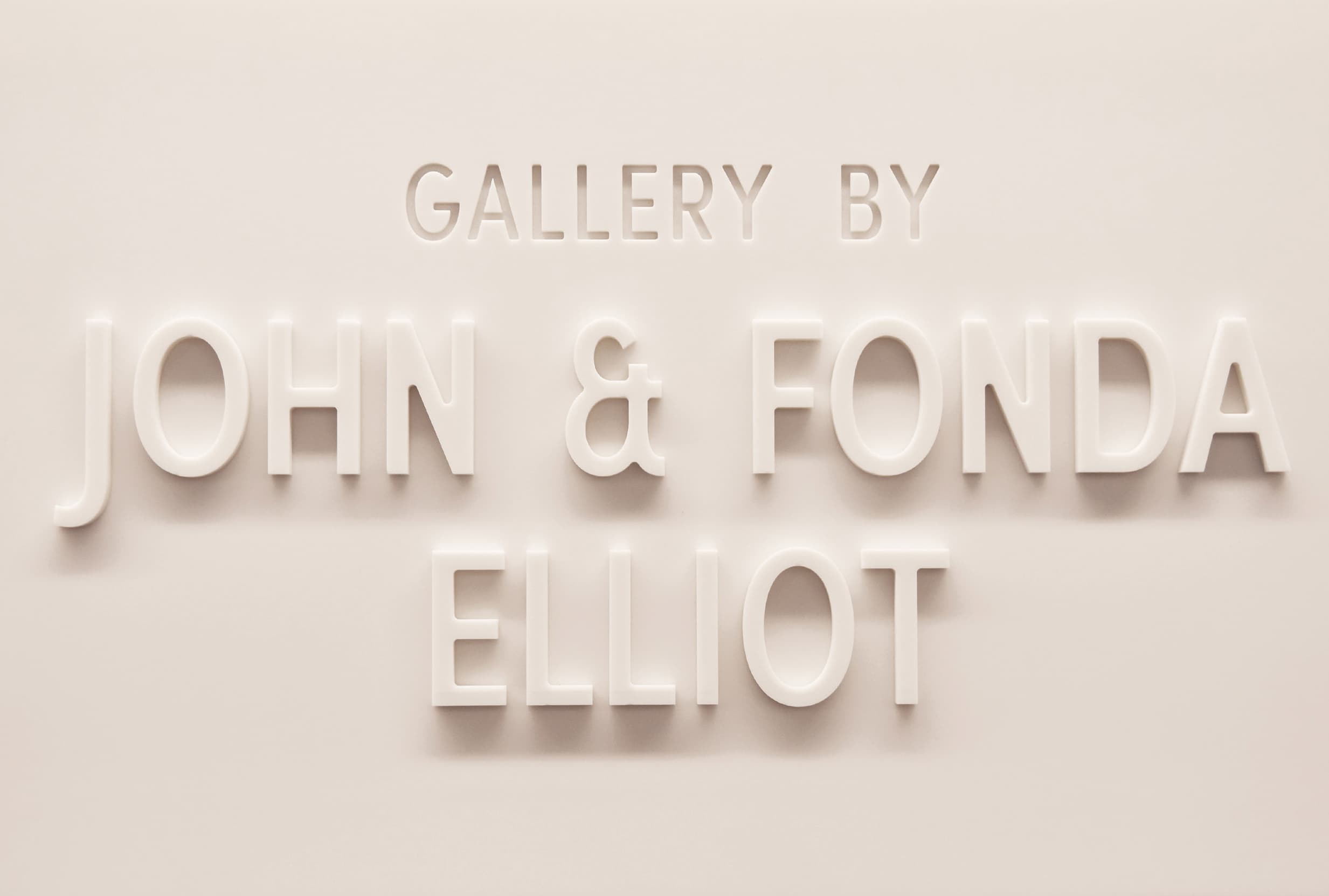
Cultural Wayfinding
Well-designed wayfinding design systems add value to one’s experience within cultural centers, galleries, and museums.
Read more
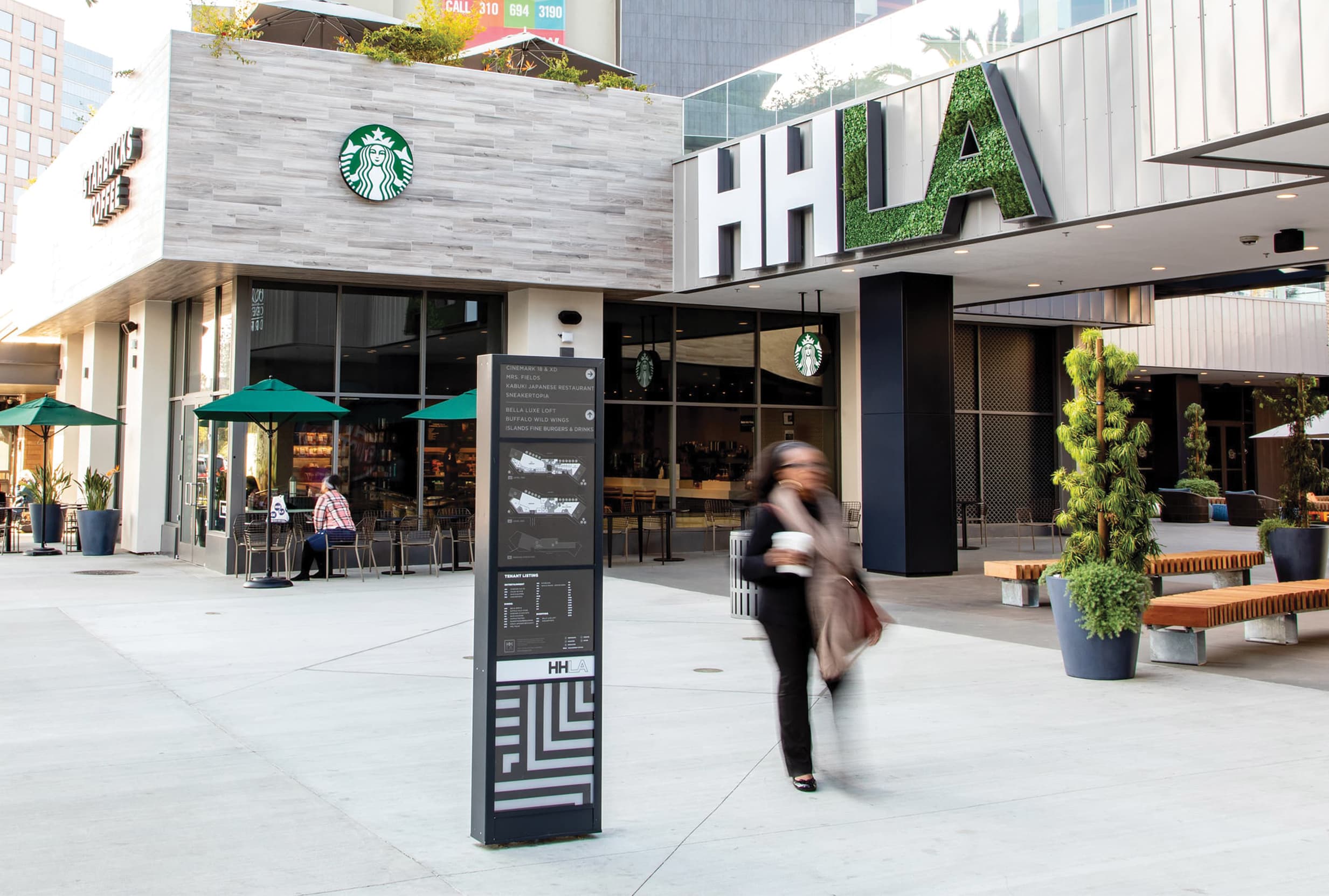
Retail Wayfinding Signage
Wayfinding signage elevates the guest experience, resulting in a holistic shopping and entertainment project.
Read more
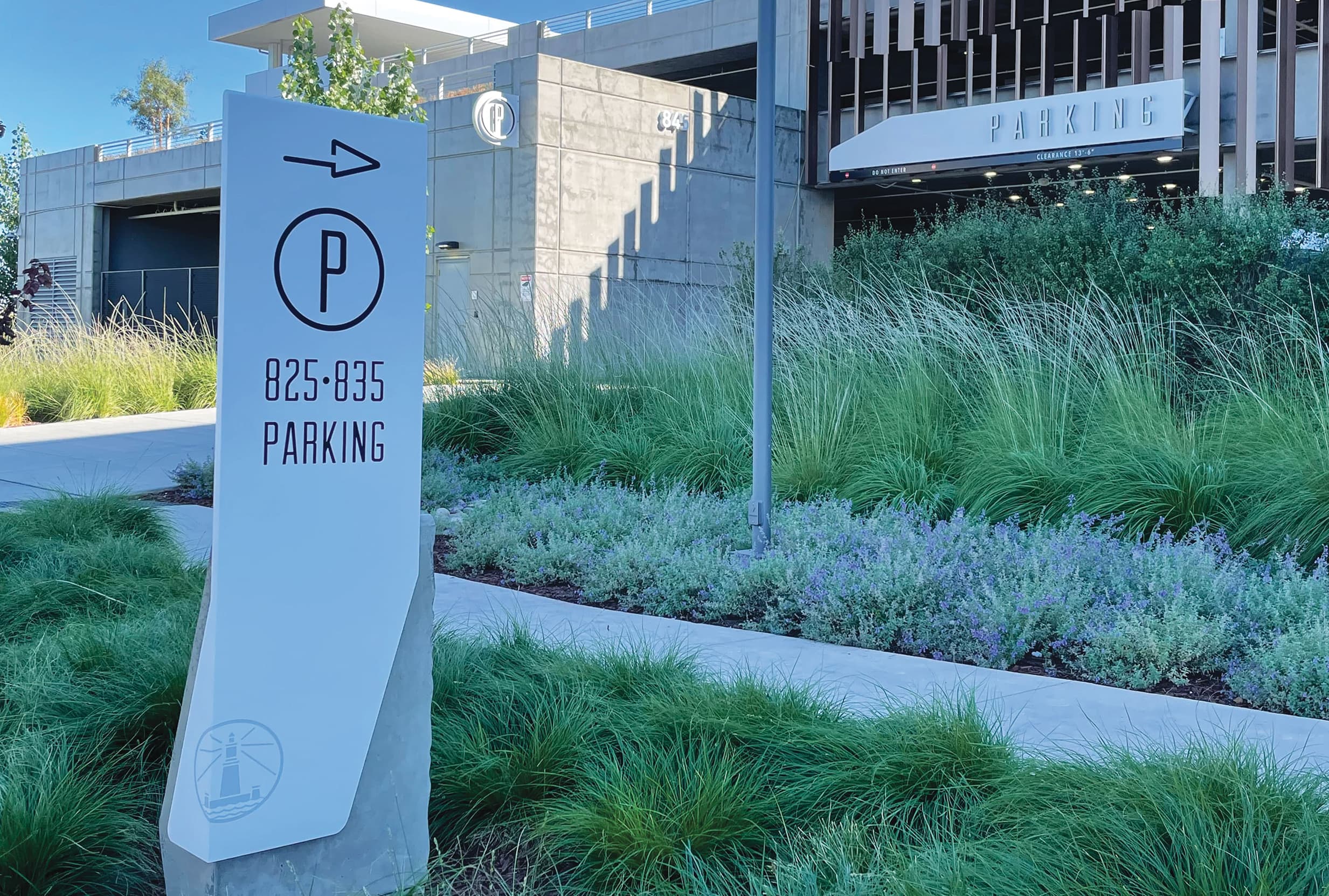
Science & Technology
With our extensive experience, we seek to enhance scientific workplaces and spaces so discovery can flourish.
Read more
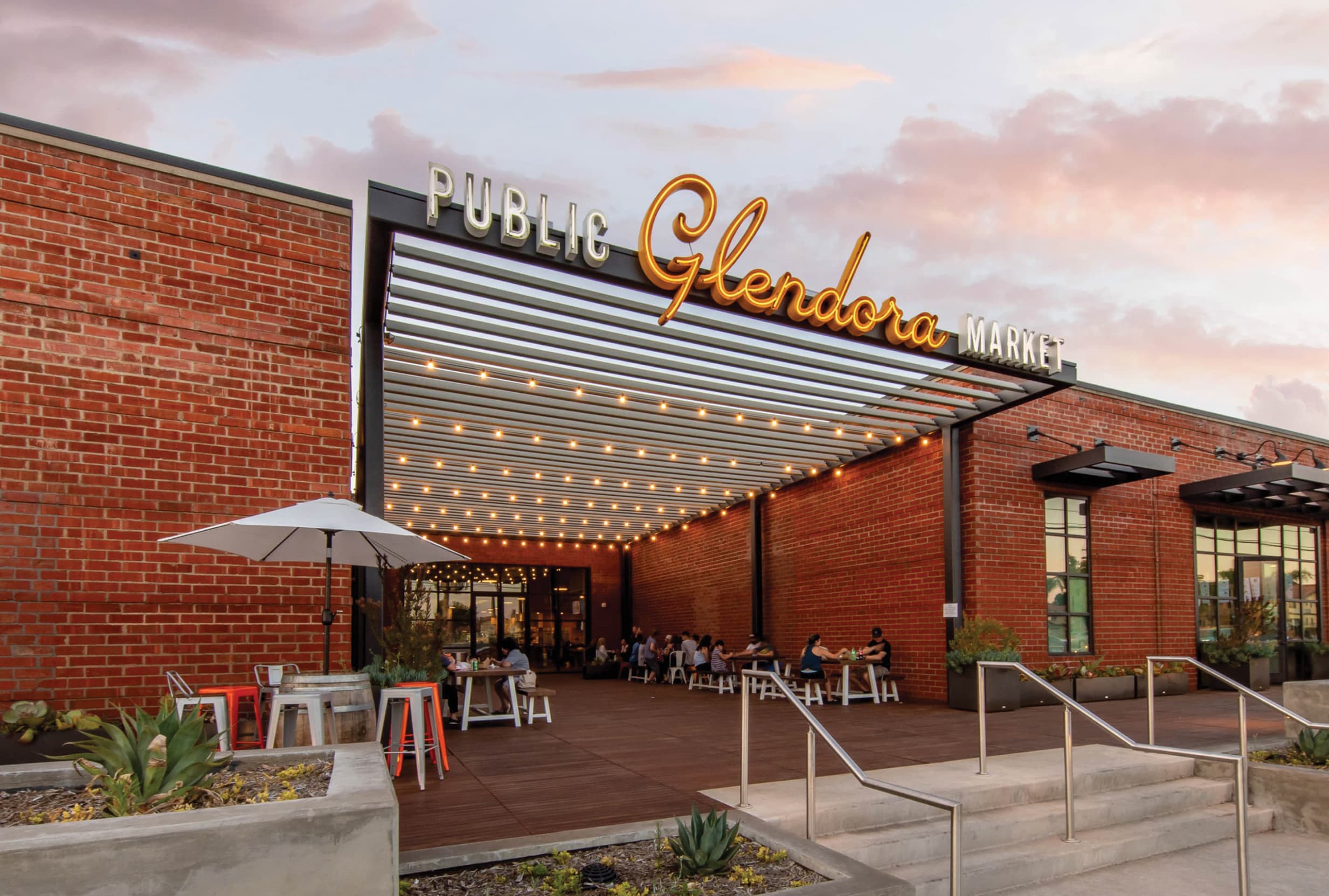
Food & Beverage
Creating eclectic wayfinding signage and graphics programs for food halls, public markets, restaurants, and cafes.
Read more
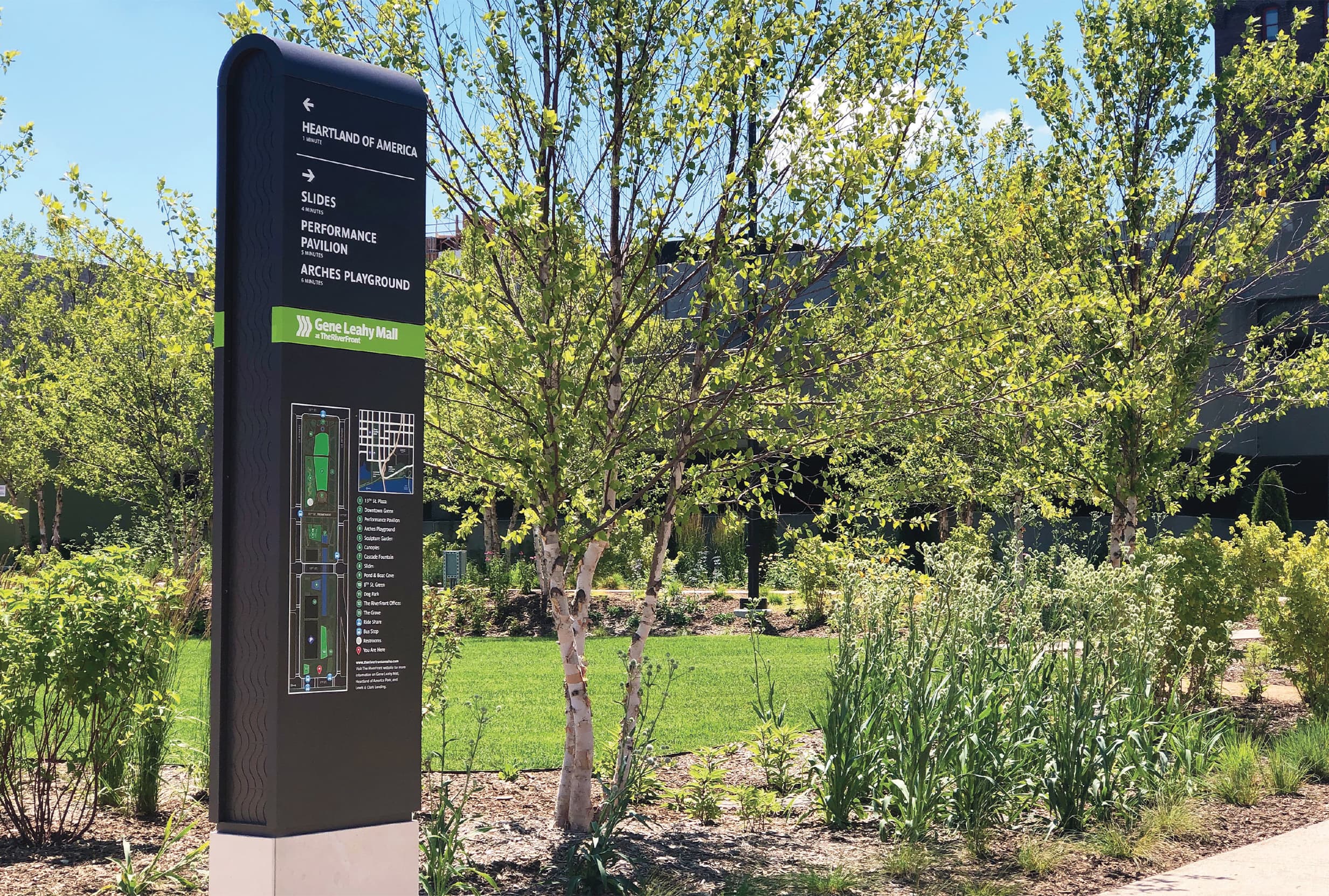
Park Wayfinding Signage
Working closely with cities, communities, and developers to connect people with outdoor spaces through creative park wayfinding signage.
Read more
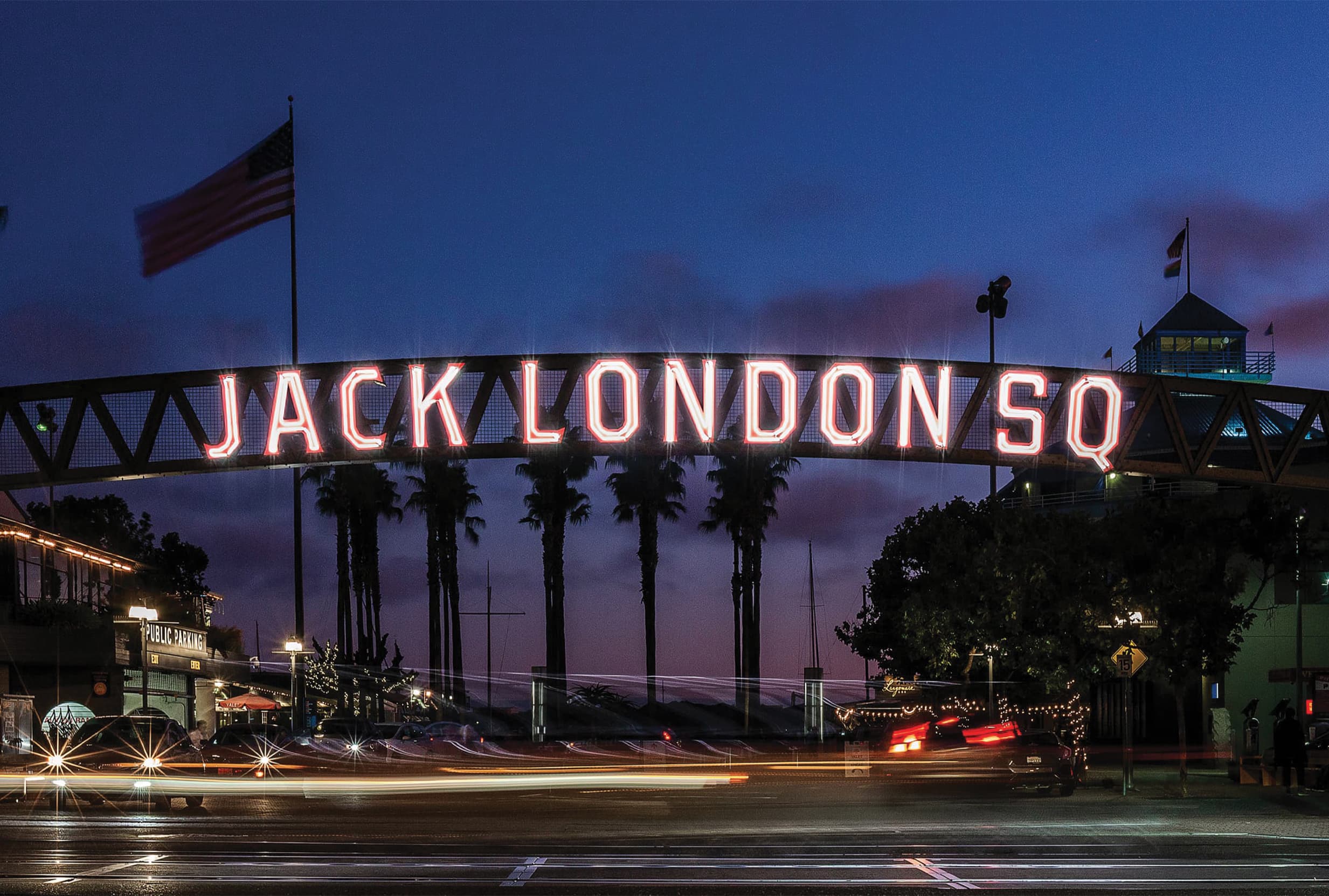
Civic Wayfinding Design
Comprehensive wayfinding signage solutions tailored to civic environments where the goal is to facilitate efficient navigation and enhance public accessibility and engagement.
Read more
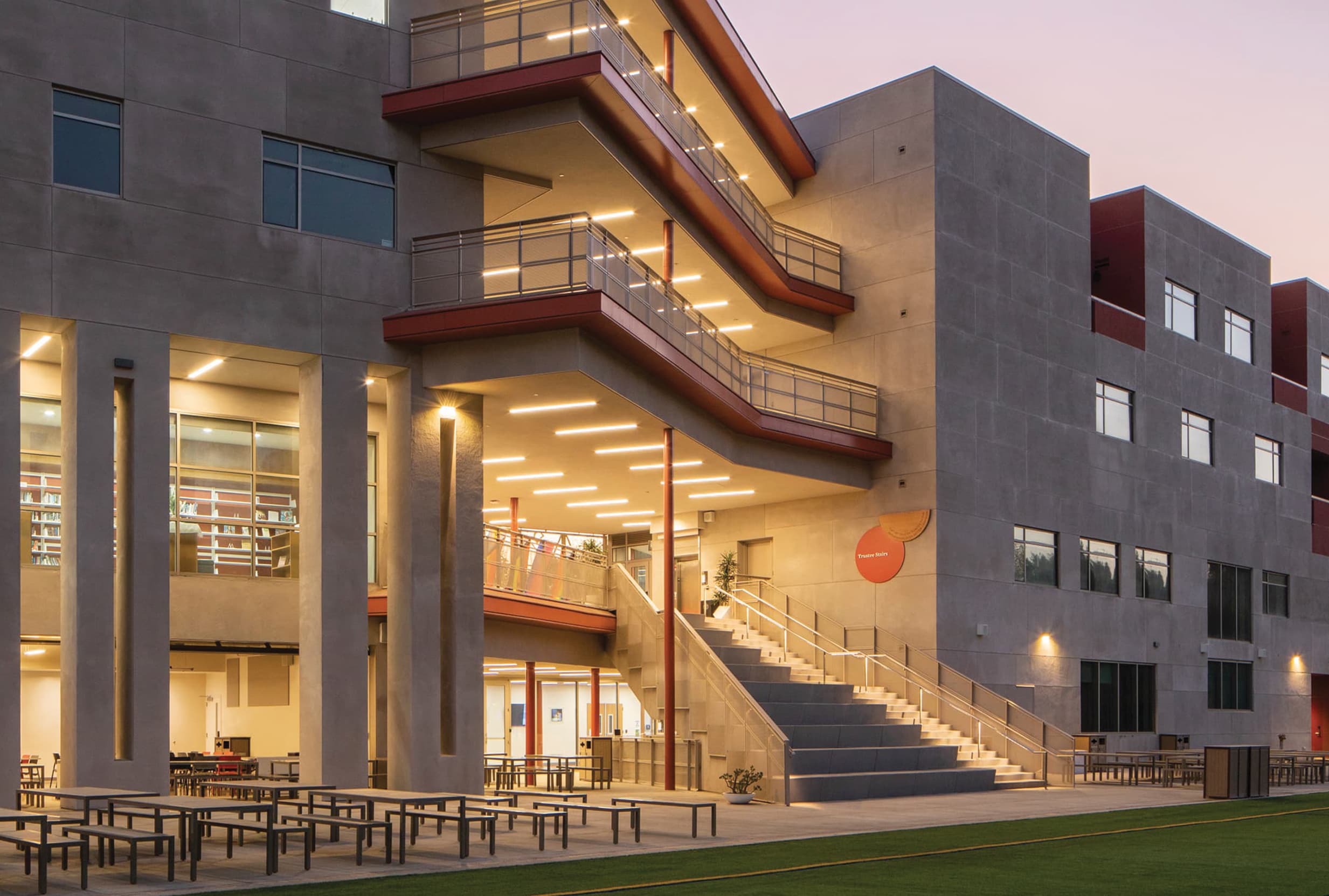
Education Wayfinding Signage
Seamless navigation and enhanced campus accessibility for students, faculty, and visitors through integrated wayfinding design.
Read more
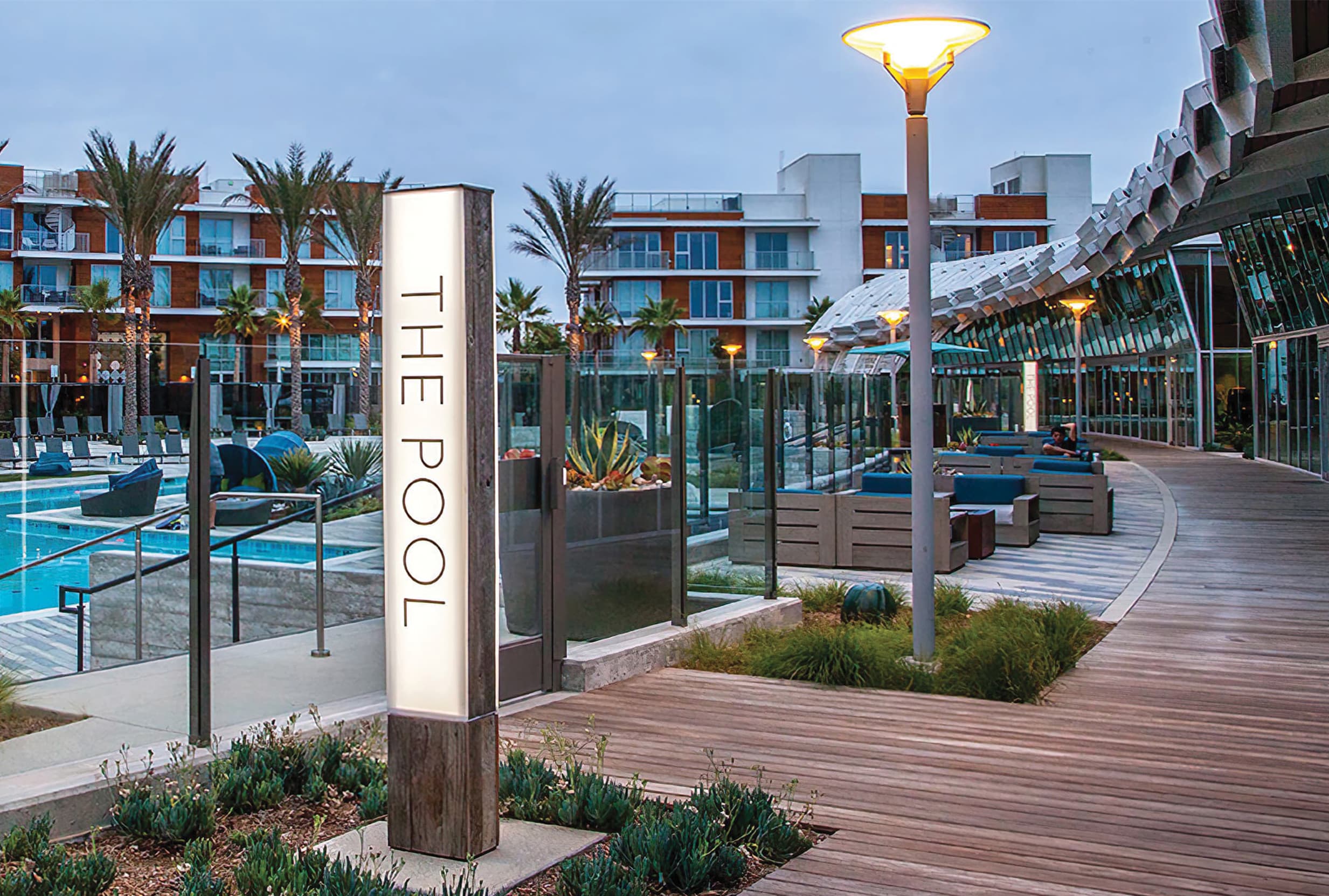
Residential Community Design
Convenient navigation and elevated living experience for residents within neighborhoods and communities.
Read more
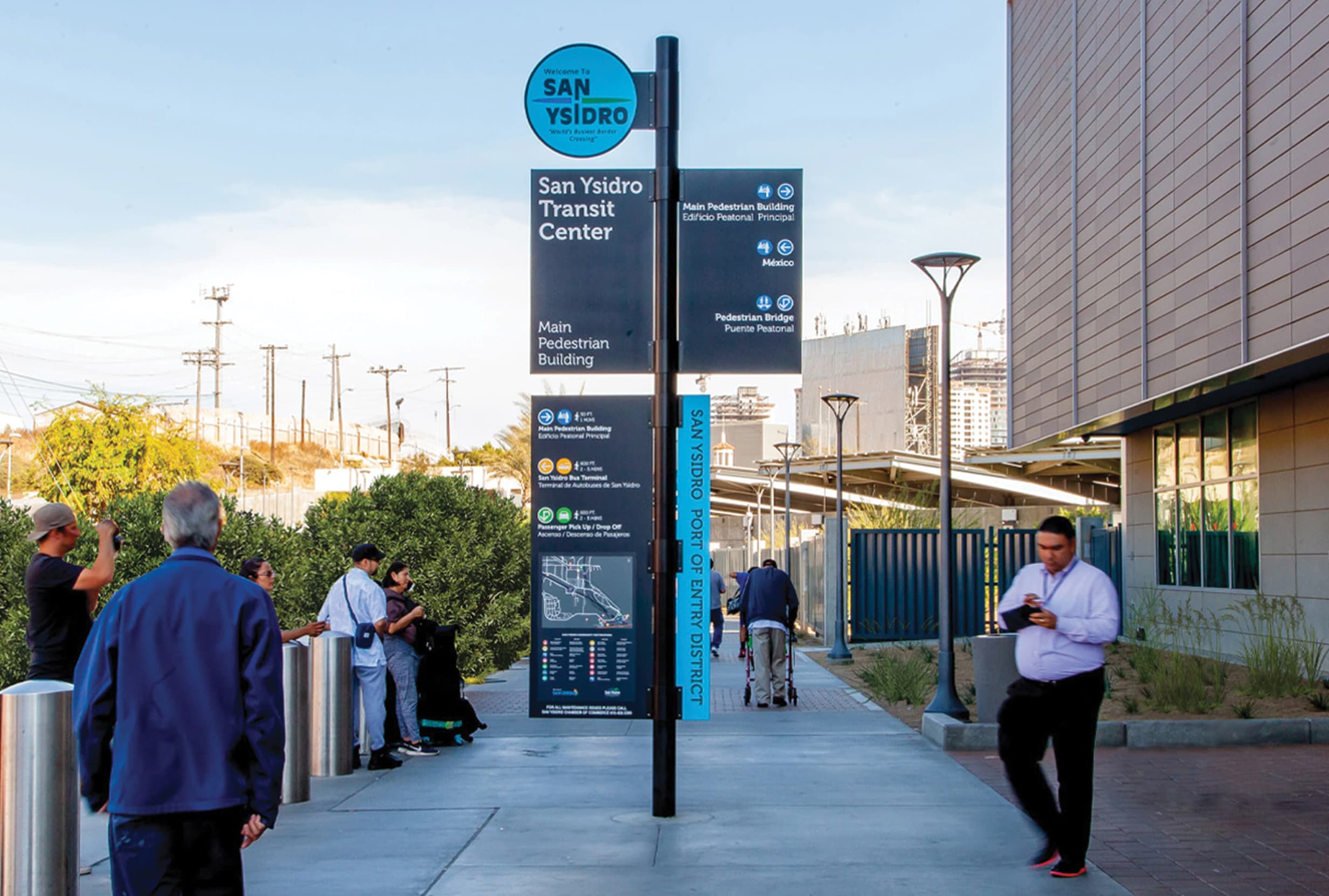
Transit Wayfinding Signage
Streamlining navigation and enhancing passenger experiences across various modes of transportation.
Read more
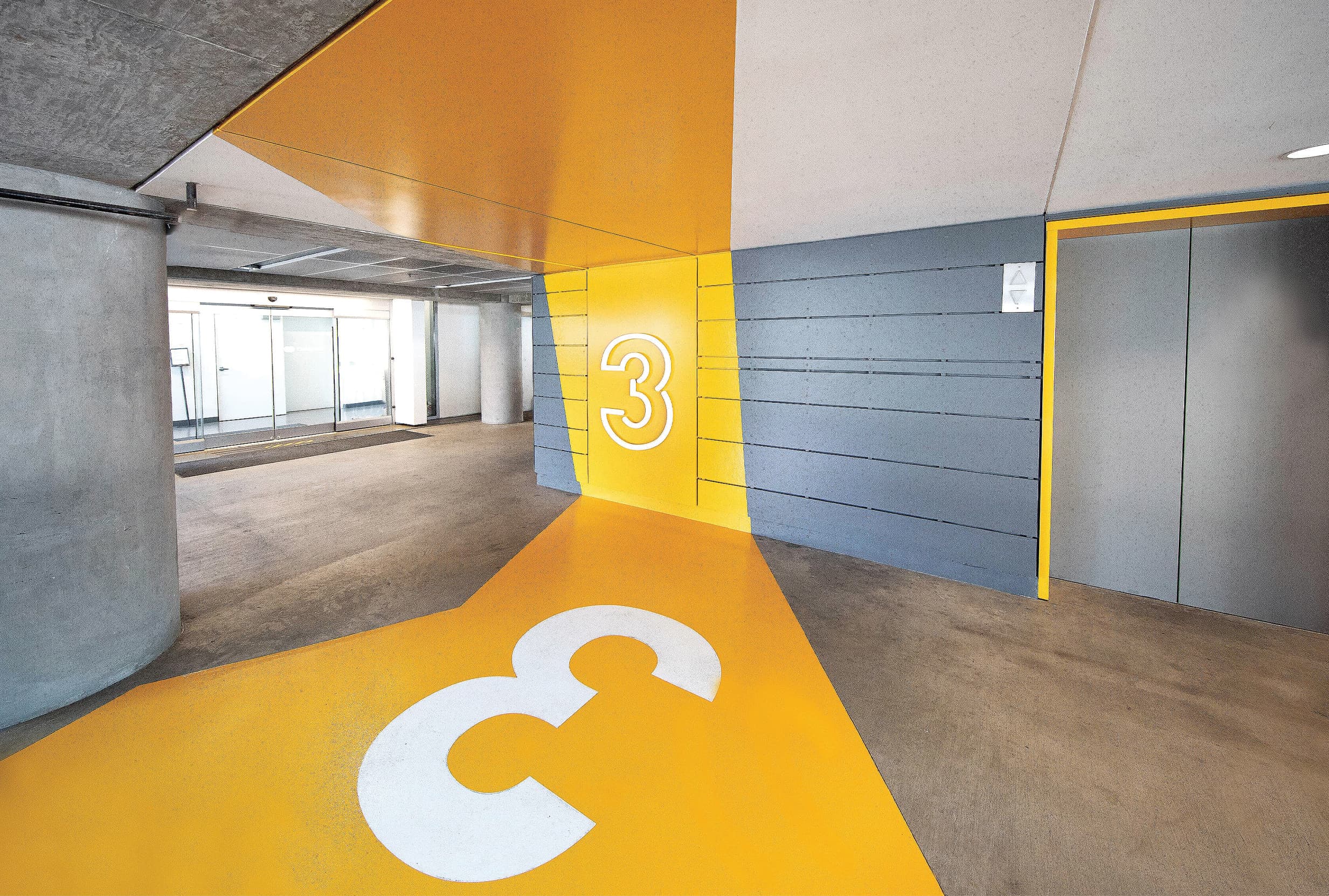
Parking Garage Wayfinding
Optimized navigation and efficient vehicle flow within the arrival experience of parking garages.
Read more
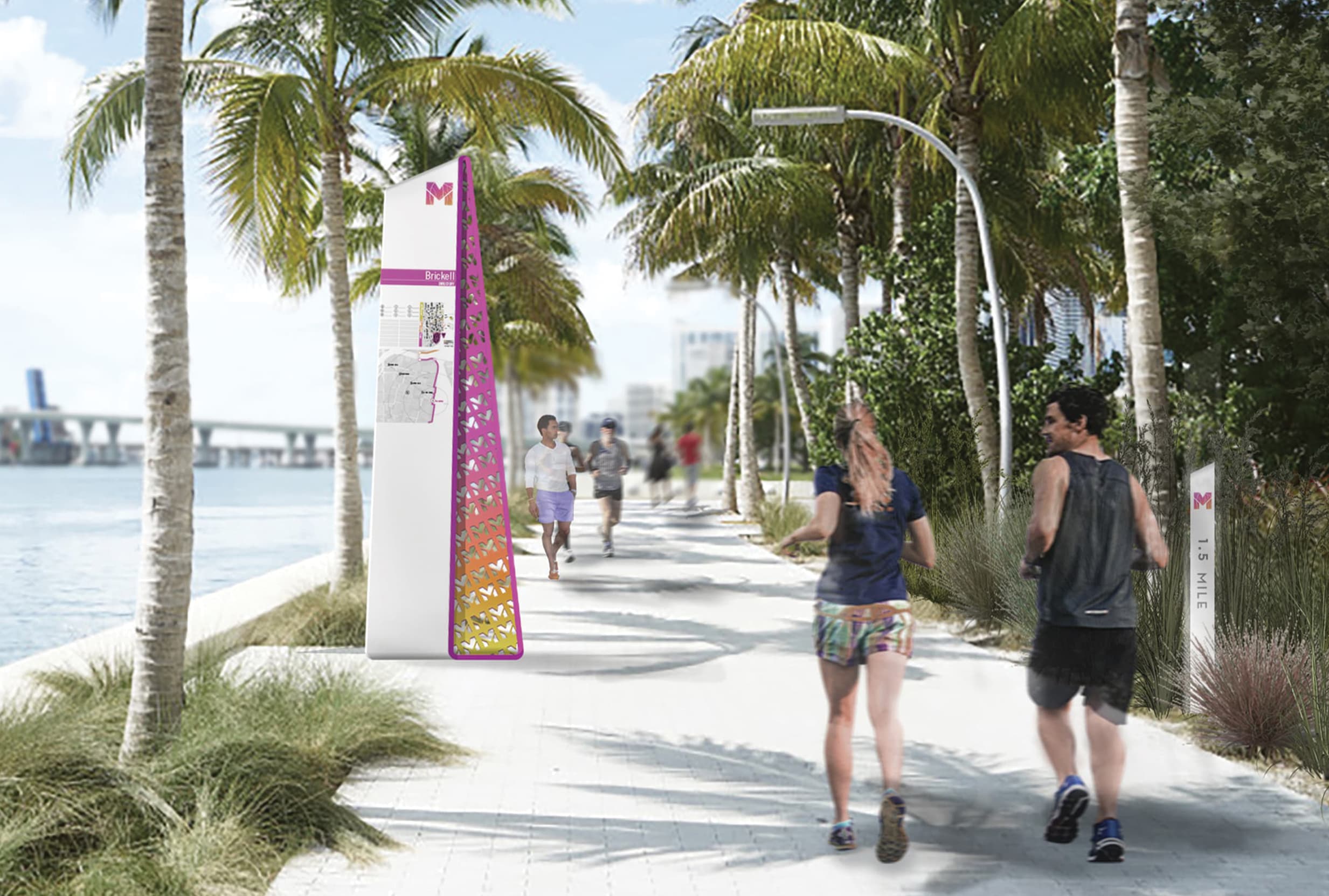
Waterfront Wayfinding Signage
Facilitating easy navigation and enhancing visitor experiences along the waterfront promenade.
Read more
What is the difference between signage and wayfinding?
Signage and wayfinding are closely linked but not the same. Signage refers to visual graphics or displays that transmit information for objectives such as identification and safety. Wayfinding, on the other hand, is the process of traversing a physical environment using features like signage, maps, and landmarks to direct people. While signage refers to a variety of visual communication techniques, wayfinding focuses especially on aiding effective navigation inside an area.
What is the wayfinding design concept?
The idea behind wayfinding design is creating an environment that is easy to utilize to help people navigate physical locations. Signage, maps, and landmarks are utilized to provide clear and intuitive directions. The aim of wayfinding is to facilitate effective mobility and lessen confusion within a given area.
What are the principles of wayfinding?
The principles of wayfinding include the creation of clear and visible signage that efficiently communicates information. Consistency in design and language across all navigation elements contributes to a unified and recognizable system. Consider the user's point of view, provide adequate visual signals, and anticipate decision points to create an intuitive and user-friendly wayfinding experience.
What does a wayfinding designer do?
A wayfinding designer combines visual, informational, and interactive elements to guide individuals seamlessly through spaces, promoting a positive and efficient user experience.
What are the key elements of wayfinding?
The key elements of wayfinding include clear and concise signage, maps, and directional information to guide individuals through a space. Effective use of landmarks and architectural features enhances orientation and provides visual cues for navigation. Consistency in design, messaging, and placement of wayfinding elements contributes to a cohesive and user-friendly experience.
What are the 4 types of wayfinding signage?
The four types of wayfinding signage include directional signs, which guide individuals to specific destinations; informational signs, providing details about services, facilities, or points of interest; identification signs, indicating specific locations or areas; and regulatory signs, offering information about rules and regulations within a space. Each type serves a distinct purpose in the overall wayfinding system, contributing to a seamless and organized navigation experience in physical environments. Effective use of these signage types helps users orient themselves and reach their desired destinations.
Why is wayfinding important?
Wayfinding is crucial because it enhances user experience by reducing confusion and improving navigation in physical environments. It helps individuals easily locate destinations, services, or points of interest, contributing to a positive interaction with a space. Effective wayfinding is especially vital in complex environments such as hospitals, airports, and large campuses, where clear guidance can alleviate stress and save time for users.
What is the difference between wayfinding and navigation?
Wayfinding is the broader concept encompassing the entire process of orienting oneself and navigating through a physical environment, utilizing various elements like signage, maps, and landmarks for guidance. Navigation, on the other hand, specifically refers to the act of moving from one point to another within a space, often with the help of tools or technologies like GPS. While wayfinding involves the overall user experience of understanding and traversing a place, navigation is a specific aspect of that experience focused on reaching a destination. In short, wayfinding is the overall concept and navigation is simply one specific means of wayfinding.
What are cues in wayfinding?
Cues in wayfinding are visual elements that provide information to individuals navigating a space. These cues can include signage, landmarks, architectural features, or other distinctive elements that guide users. Effectively utilizing cues in wayfinding enhances the clarity of a physical environment, facilitating smoother navigation for individuals.
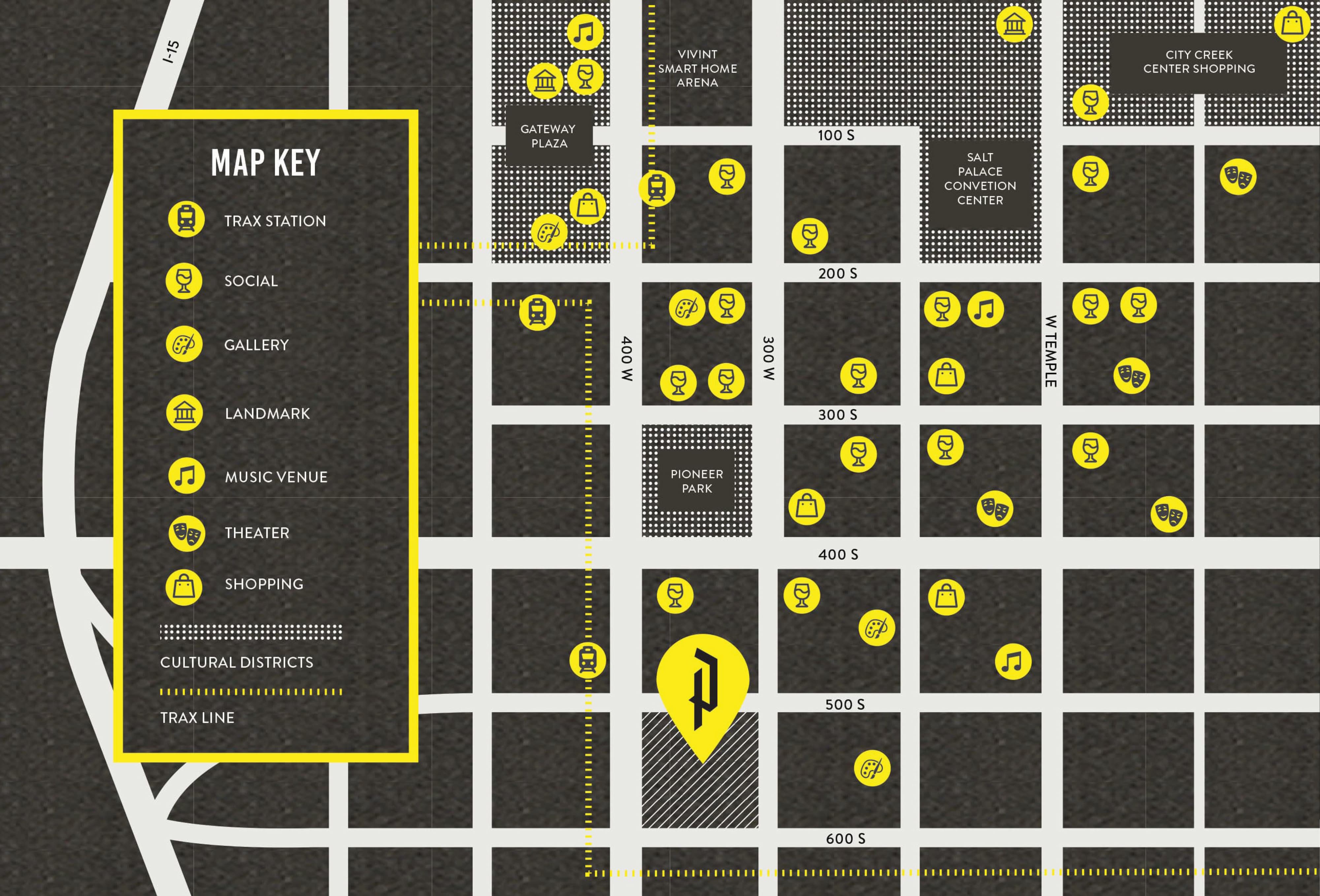
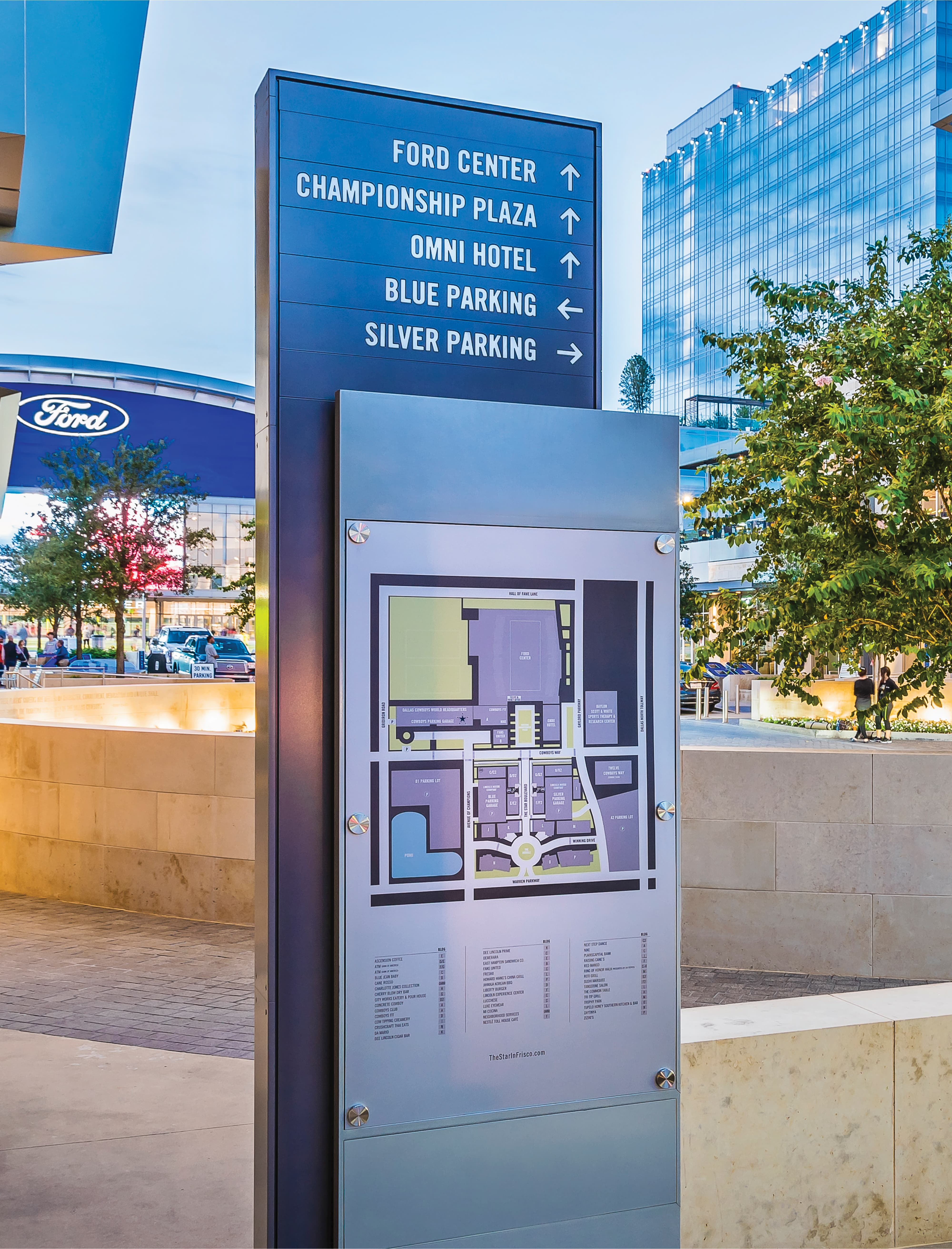

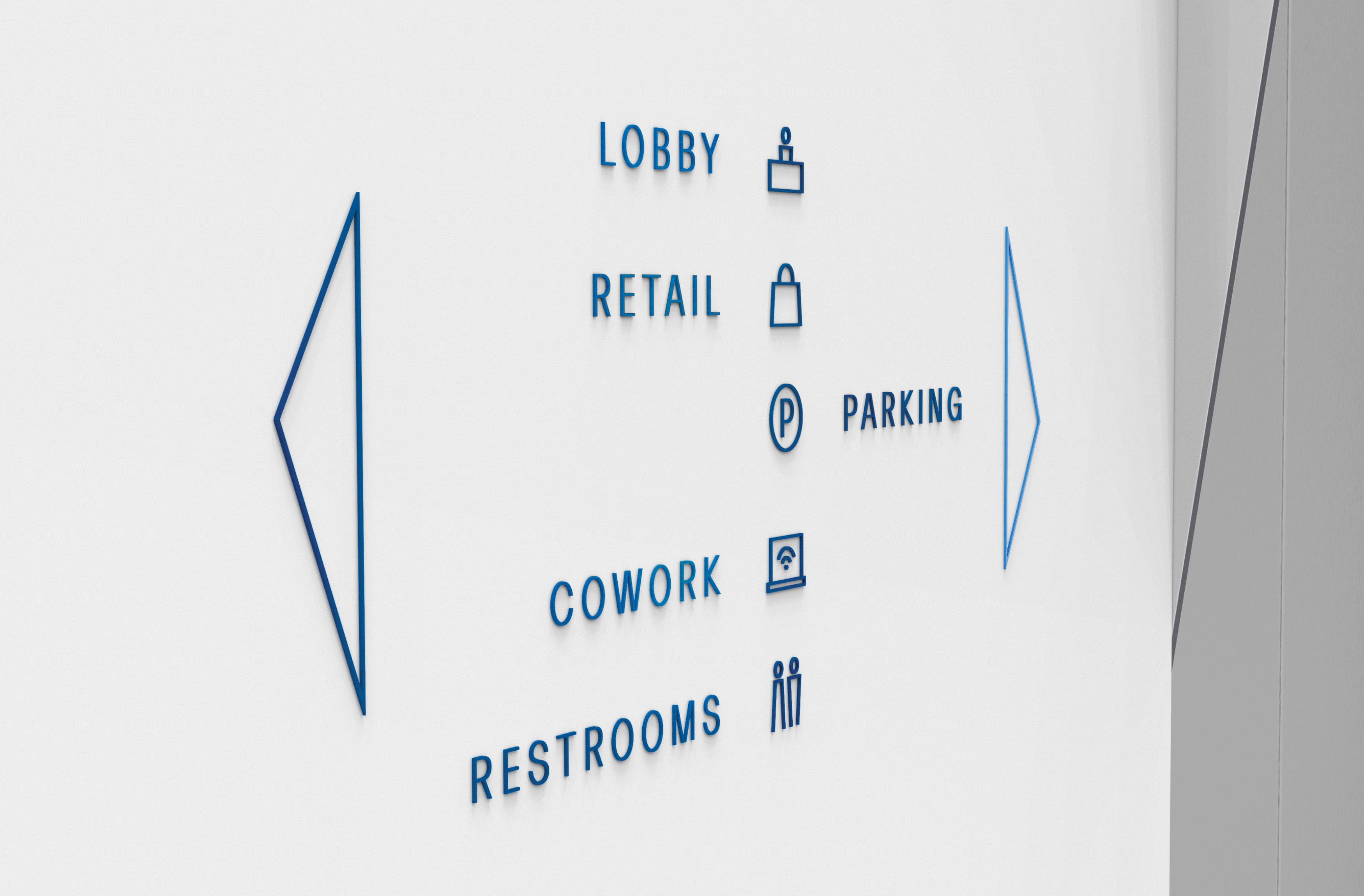
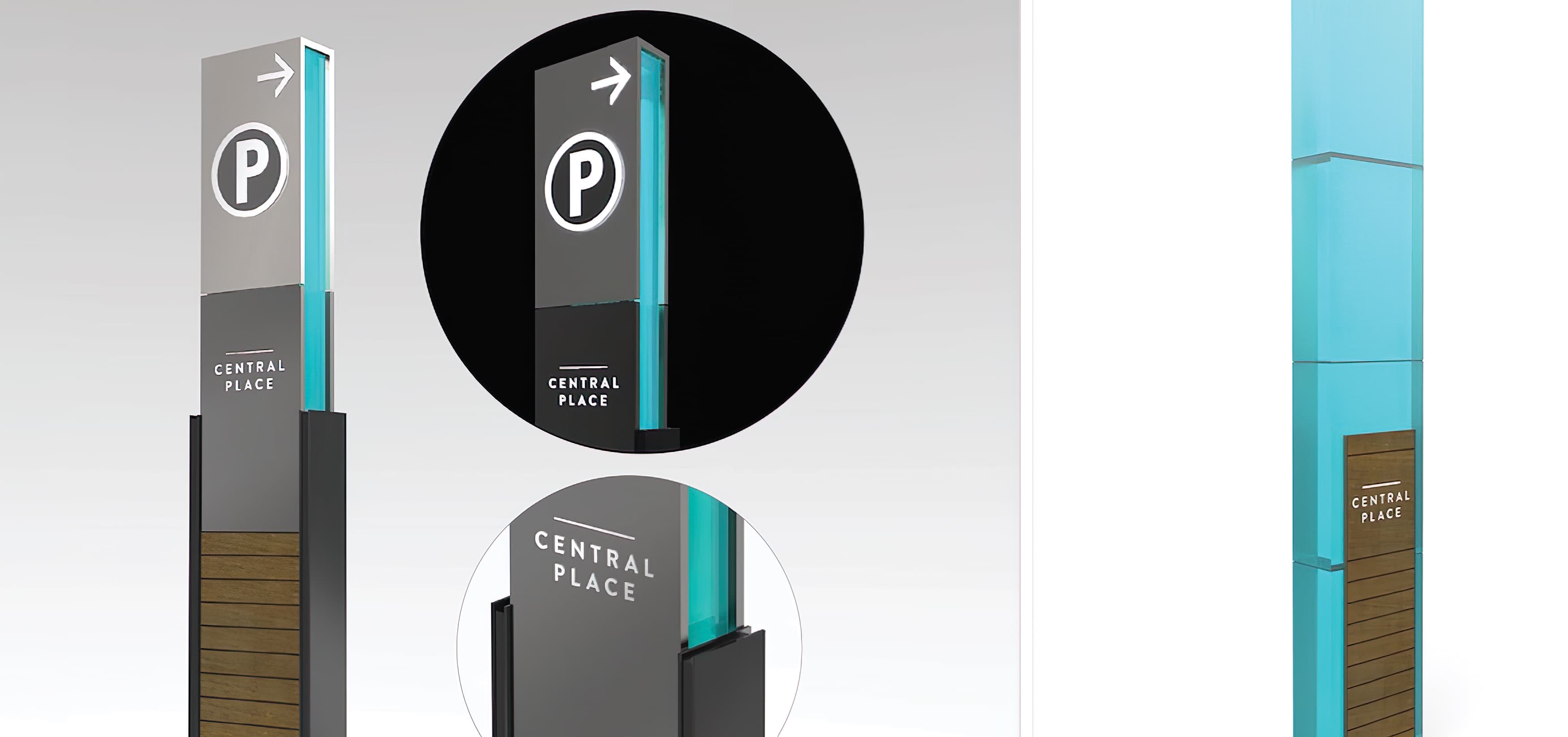
RSM Design focuses on research-driven design to create comprehensive and timeless wayfinding systems that enhance the user’s experience and serve the greater good of the community.
Get in touch