The Rhythm of Place
Posted August 11, 2026 · Education
BY MARTIN SCHWARTZ, FOUNDING PRINCIPAL
There is a moment in music when the individual sounds transform into a collective resonance. In a powerful instant, different instruments find one another, the melody settles into its groove, and what was once a collection of individual sounds becomes something synergistic: a composition with weight, feeling, and presence. That moment represents the product of careful craft, intentional structure, and a deep understanding of how each part resonates to form a greater whole.
The same principle that governs music governs experiential design.
The way designers consider the built environment is similar to the way in which a composer might approach a score; strategy, storytelling, graphic design, architecture, and digital integration each function as a distinct instrument, capable of standing on their own, carrying their own voice, and serving their own purpose. But it’s in their orchestration that the full potential of a place is realized; when these disciplines are thoughtfully calibrated to work in concert, the result moves beyond the realm of functionality and into deeper emotional resonance.
Cultivating Harmony Through the Instruments of Design
On a personal level, integrity is defined by a few key dimensions: honesty, consistency between stated values and behavior, the courage to act on those values even when it costs something, and an underlying quality of wholeness. Each of these dimensions has a counterpart in design.
Each design discipline serves a purposeful role to a project. A wayfinding system’s power lies in its ability to communicate hierarchy, reinforce identity, and shape the pace at which a guest discovers a destination. Environmental graphics carry narrative, telling the story of a place through color, form, material, and imagery. Architecture establishes scale and sequence, determining how people enter, pause, and progress. Digital integration creates points of responsiveness and connection. Brand strategy acts as an overarching narrative, ensuring that each touchpoint evokes the same tone, voice, and values.
These disciplines are not interchangeable. Each has its own grammar, its own logic, and its own very specific role to play. Instead of seeing this specificity as an obstacle, a composer will seek to discover the ways in which their differences and paradoxes actually lead to synchronicities; percussion, wind, strings, and even digital mediums are carefully woven together into something much more multifaceted and all-encompassing. The experience of the whole is something none of them could produce alone.
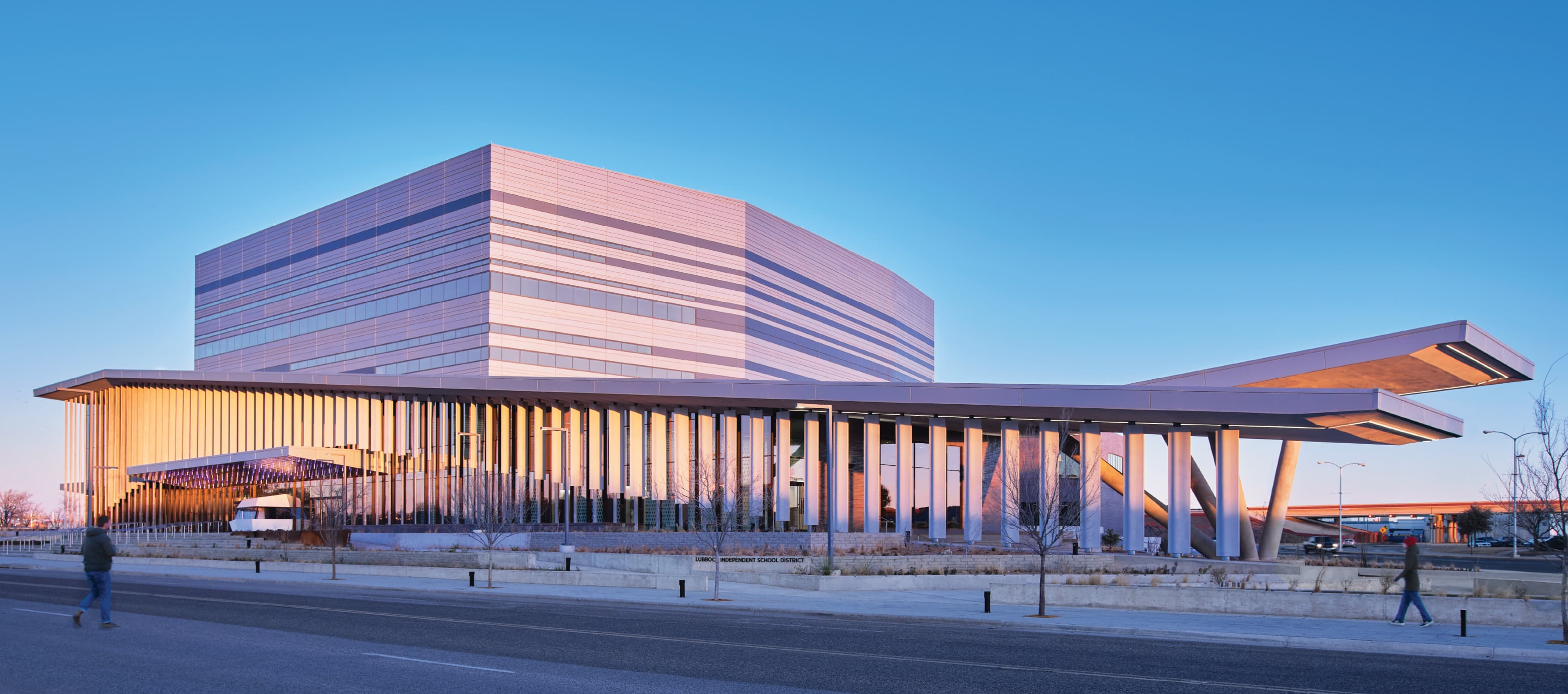
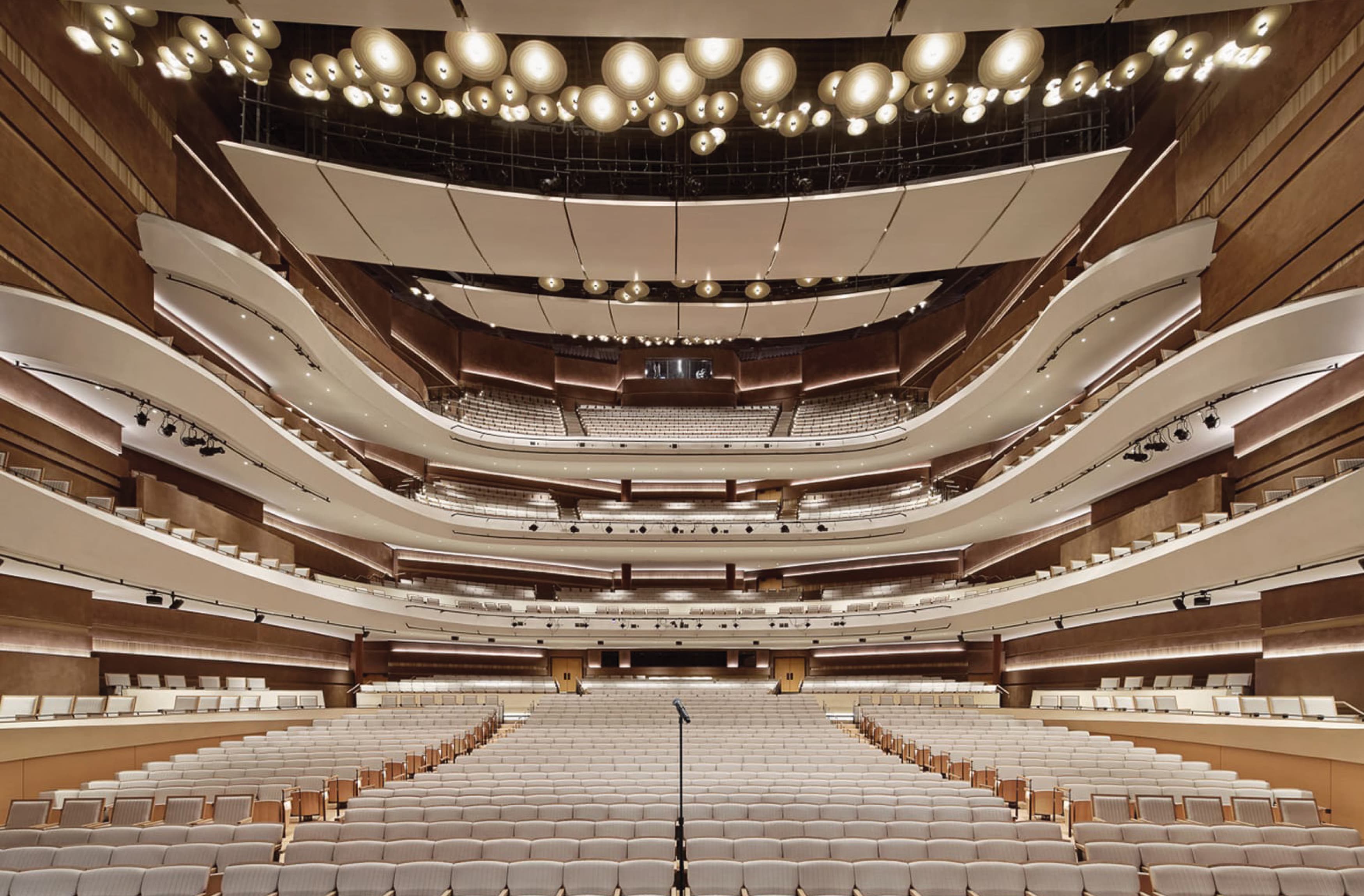
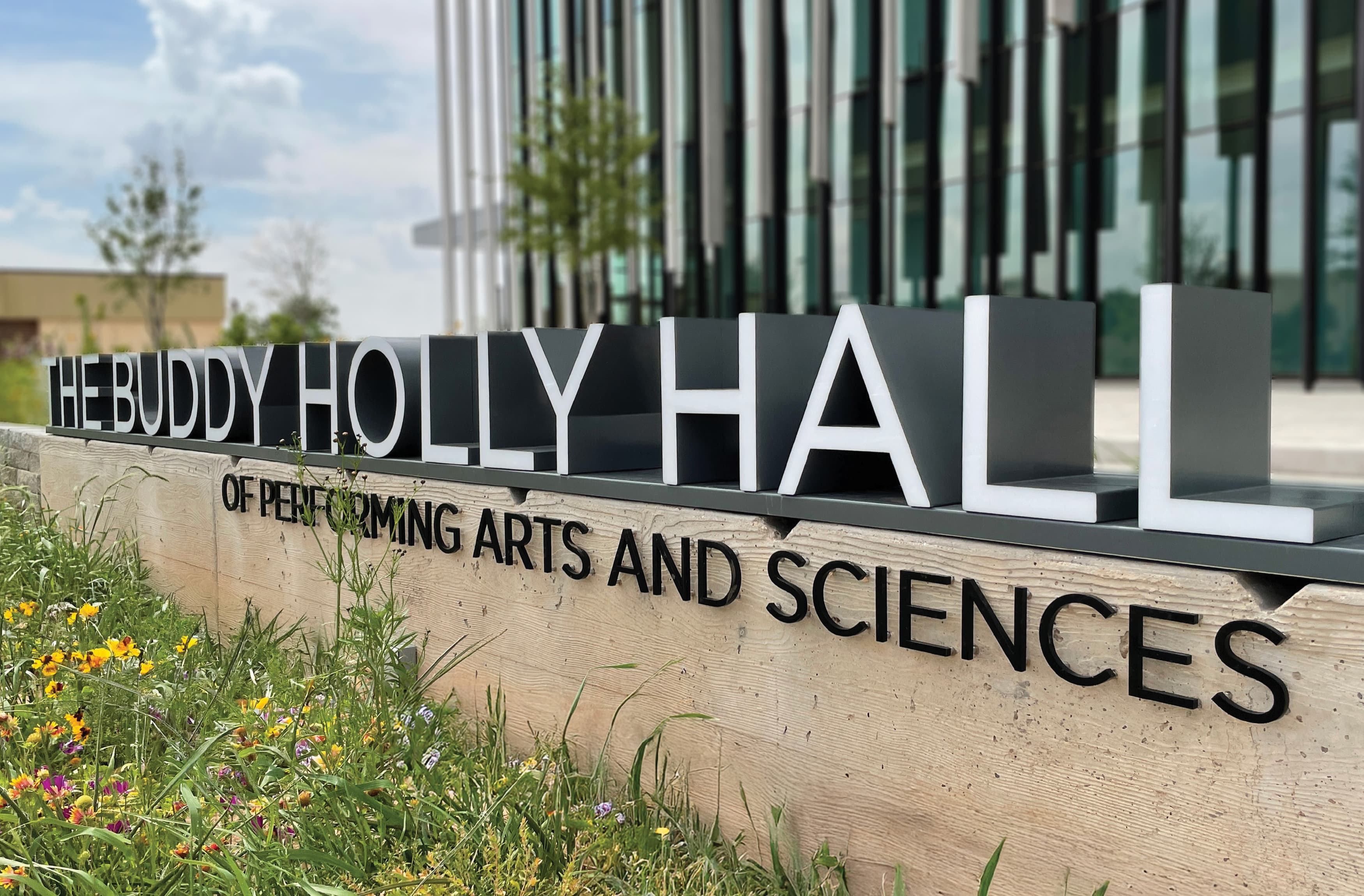
Nowhere is that metaphor more fitting than at The Buddy Holly Hall of Performing Arts and Sciences in Lubbock, Texas, a state-of-the-art cultural campus built to honor the music and legacy of Buddy Holly, housing two theaters, a ballet academy, event space, and a full-service bistro under one roof. The story of a place named for one of rock and roll’s most enduring figures had to be told and designed with the same authenticity and intention that defined decades of his music.
This becomes an imperative that takes on added weight when the place itself is a tribute to music, and when the experience of the space must honor not just a name but also a legacy that still resonates across generations. Designers must begin with the end in mind, by asking themselves at the outset what kind of experience they want to create. What should a guest feel upon arrival? What story does the place tell as they move through it? What impression remains after they leave? RSM Design’s process builds on this understanding by using a whole-person approach, considering each project from both functional and experiential perspectives.
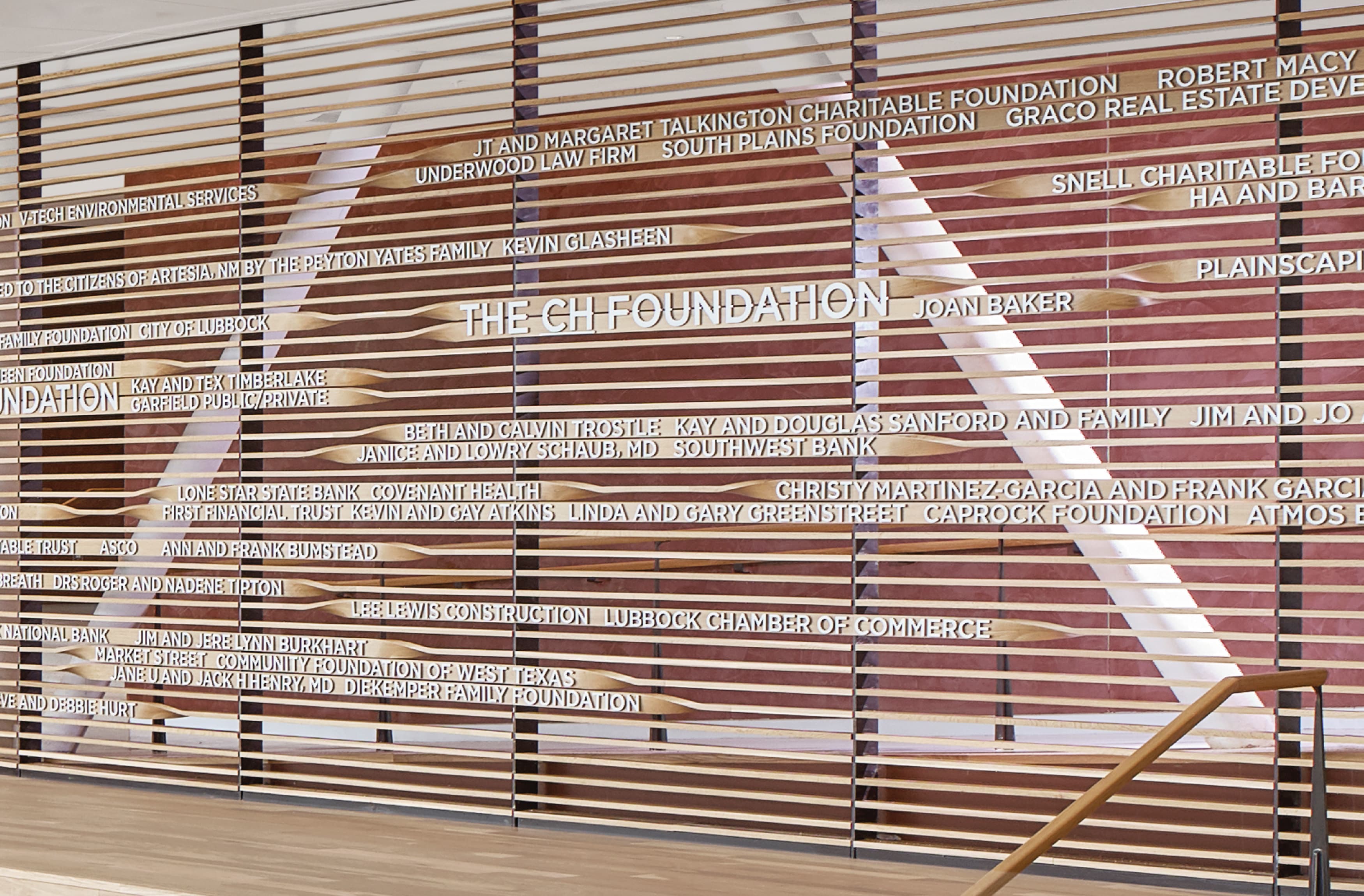
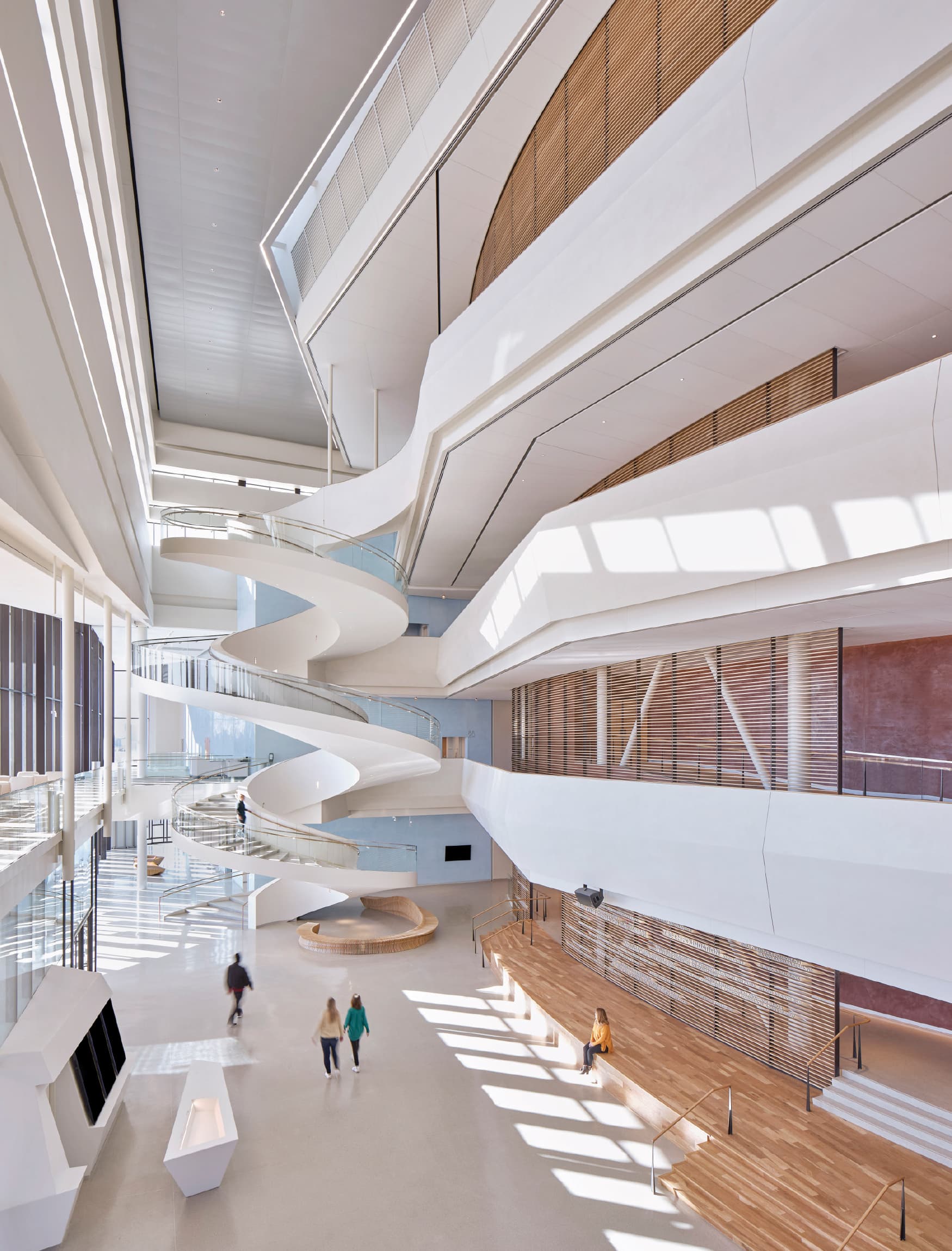
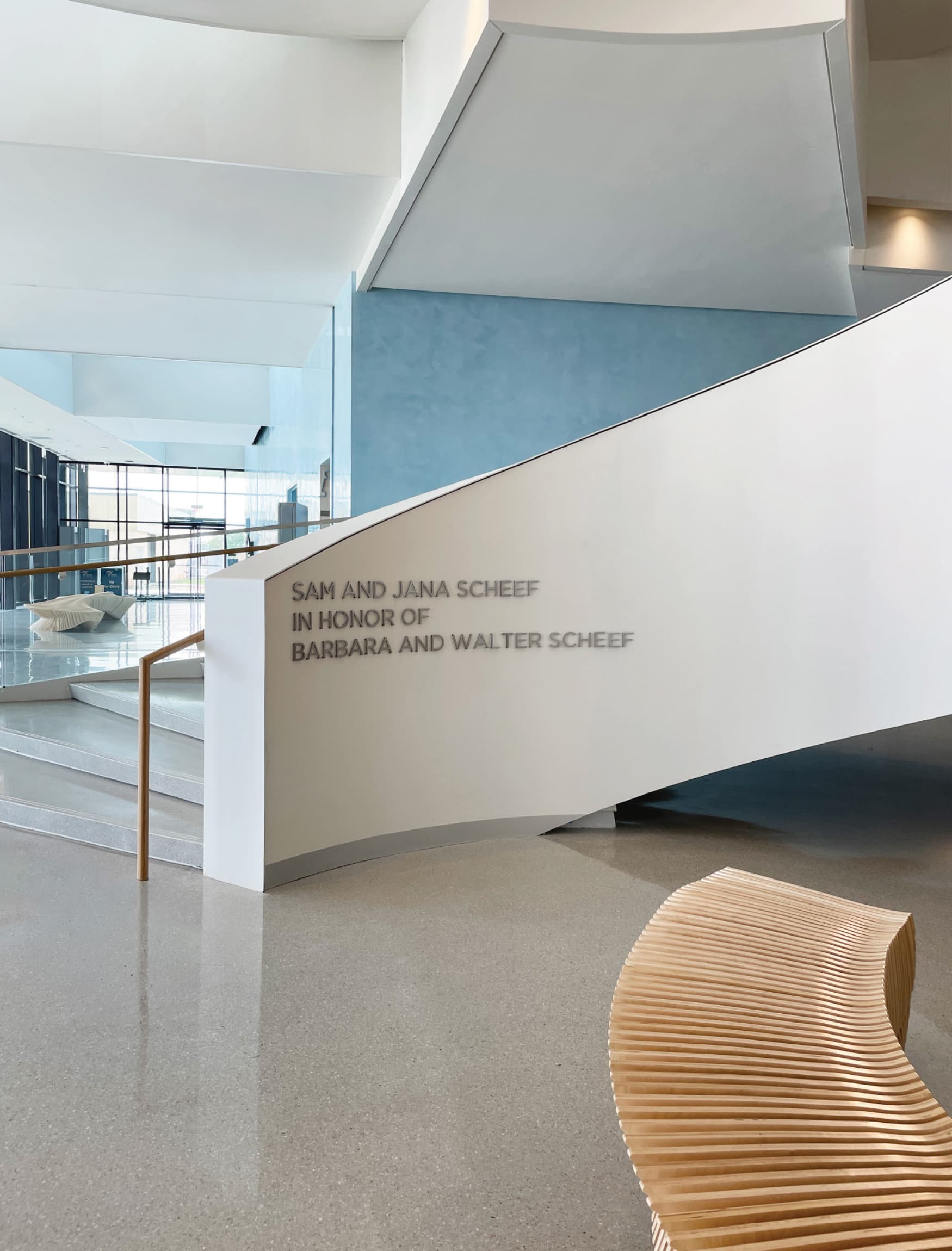
The Buddy Holly Hall of Performing Arts and Sciences, Lubbock, TX
Understanding the Build Environment as a Composition
In music, each sound in a song is thoughtfully interconnected. Shift one element, change the tempo, drop the bass line, raise the volume, and the entire composition responds in turn. The parts are interdependent and the integrity of the whole depends on the precision of each supporting element.
Just as melody, rhythm, harmony, and dynamics must be calibrated to work in concert, the built environment relies on the orchestration of multiple elements to create a unified user experience. Textures and materials communicate tone. Scale creates proportion and emotional context. Lighting determines the overall atmosphere and draws the eye toward important focal points. Circulation channels guide the user through the space, shaping discovery and pacing out the experience. Wayfinding and architectural graphic design creates clarity and confidence. The design narrative unites them all and infuses them with meaning.
When these components are designed in isolation, when the architect finishes before the designer begins, when branding is applied as a final layer rather than embedded from the start, the result often feels disconnected. A user is intuitively able to sense when something is off (even if they cannot name it). In other words, the right parts might be present, but they have not yet begun to play together.
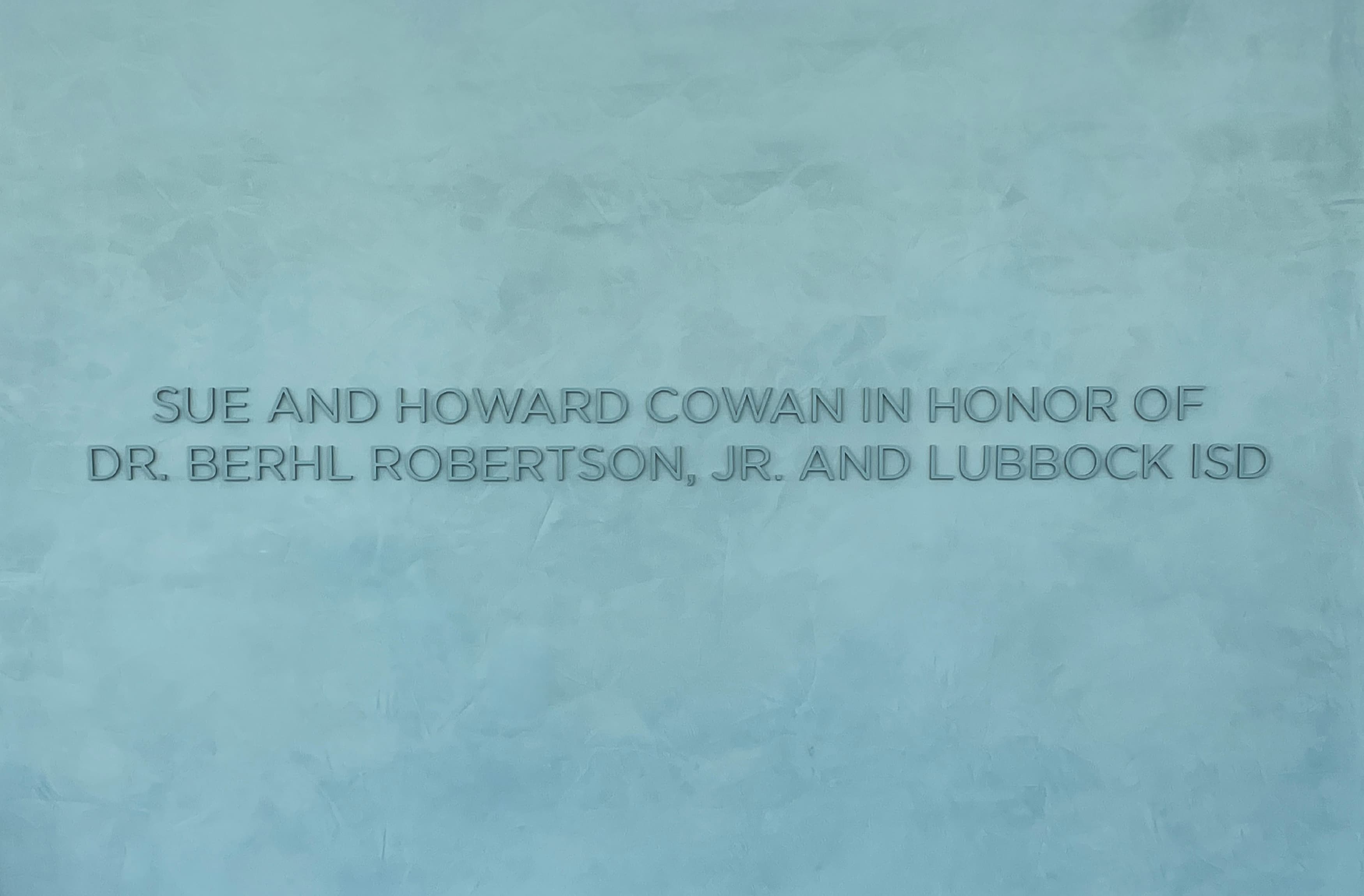
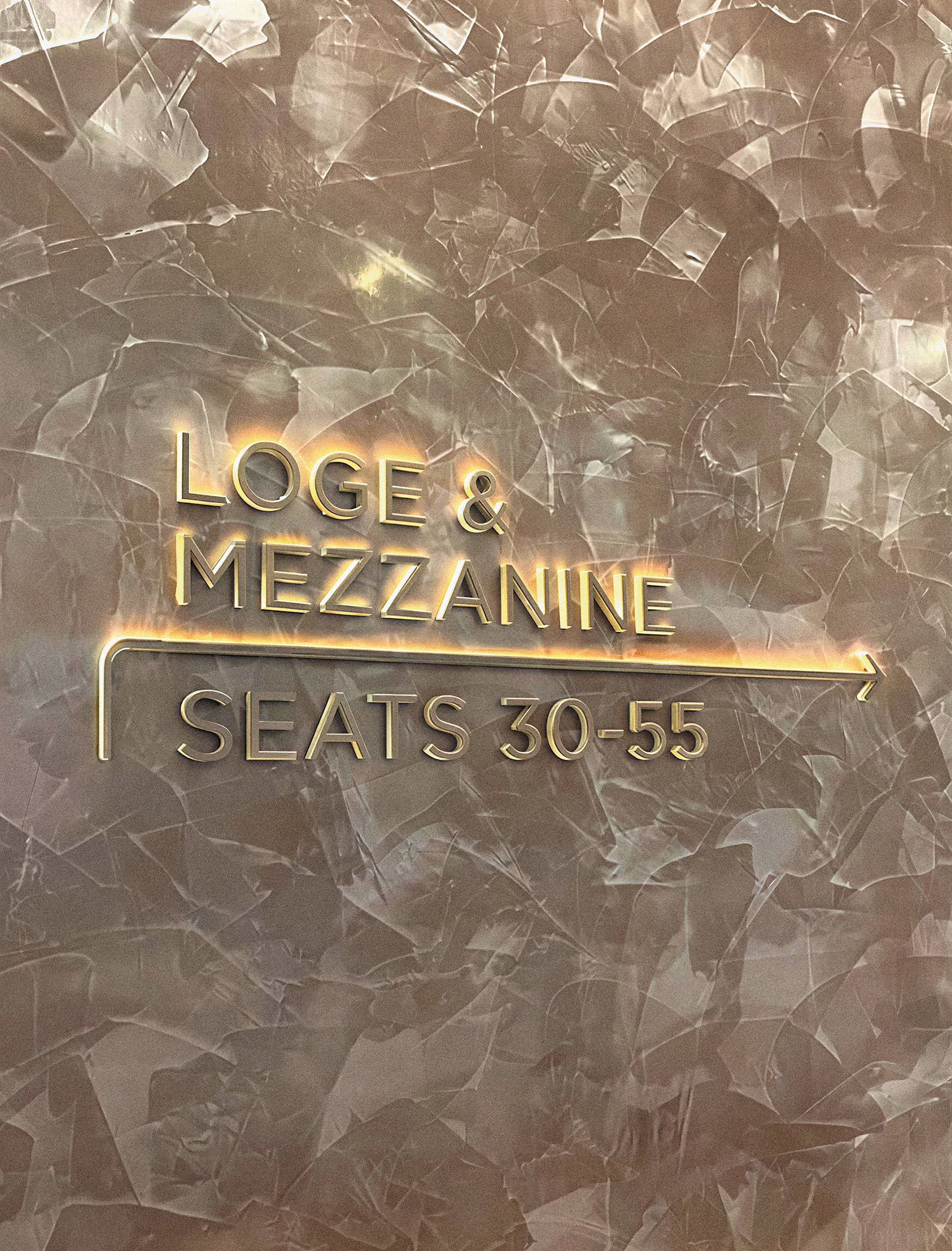
At The Buddy Holly Hall, RSM Design’s scope spanned donor recognition, identity signage, alongside a comprehensive wayfinding program, each developed not as a standalone deliverable, but as part of the hall’s larger experiential composition. The wayfinding program reads as part of the building itself, guiding guests through the space without interrupting the experience the architecture works to create. By integrating disciplines across the full arc of a project, from strategy and concept through fabrication and implementation, designers should strive to ensure that each decision informs and supports the next. No element is treated as an afterthought; when it comes to holistic placemaking everything is composed with harmony in mind.

The Buddy Holly Hall of Performing Arts and Sciences, Lubbock, TX
The Power of the Listener Experience
One might perceive a beautiful irony present in music; even though the composer has labored over a single song, the listener does not often consider the fine details of what they’re hearing, such as chord progressions, or tempo shifts, or the overlapping vocals that create a harmony.
Listeners may not be fully aware of the technical production choices that shaped the mix or the structural decisions that give the song its arc, but they do respond instinctively and emotionally. This response is rooted in emotion rather than conscious understanding. The craft of the composer is precisely this: to work at a level of precision that the audience never has to witness the mechanics of the song. The experience is the evidence of the effort, as opposed to the effort itself.
The guest in a well-designed built environment operates the same way. They do not walk through a lobby cataloguing the spatial hierarchy or evaluating the wayfinding system. They intuitively feel at ease. They know where to go without having to think about it because the place has a coherent identity, a clear sense of purpose, and a character that is consistent from the moment of arrival to the final impression.
A carefully considered material palette creates warmth without being named. A well-placed architectural graphic reinforces orientation without demanding attention. A brand narrative threaded through environmental touchpoints builds a sense of place that is woven through each step the user takes.
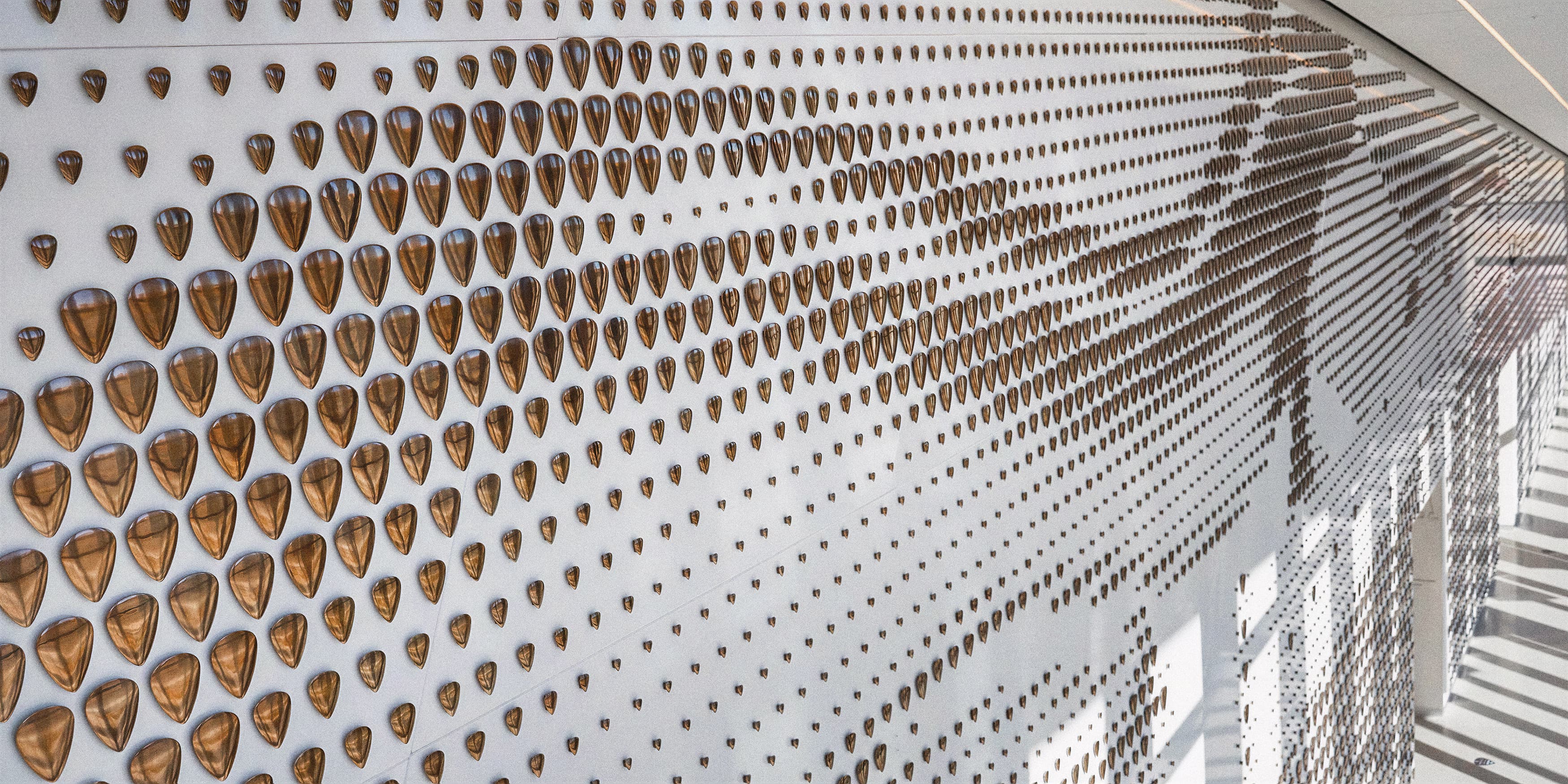
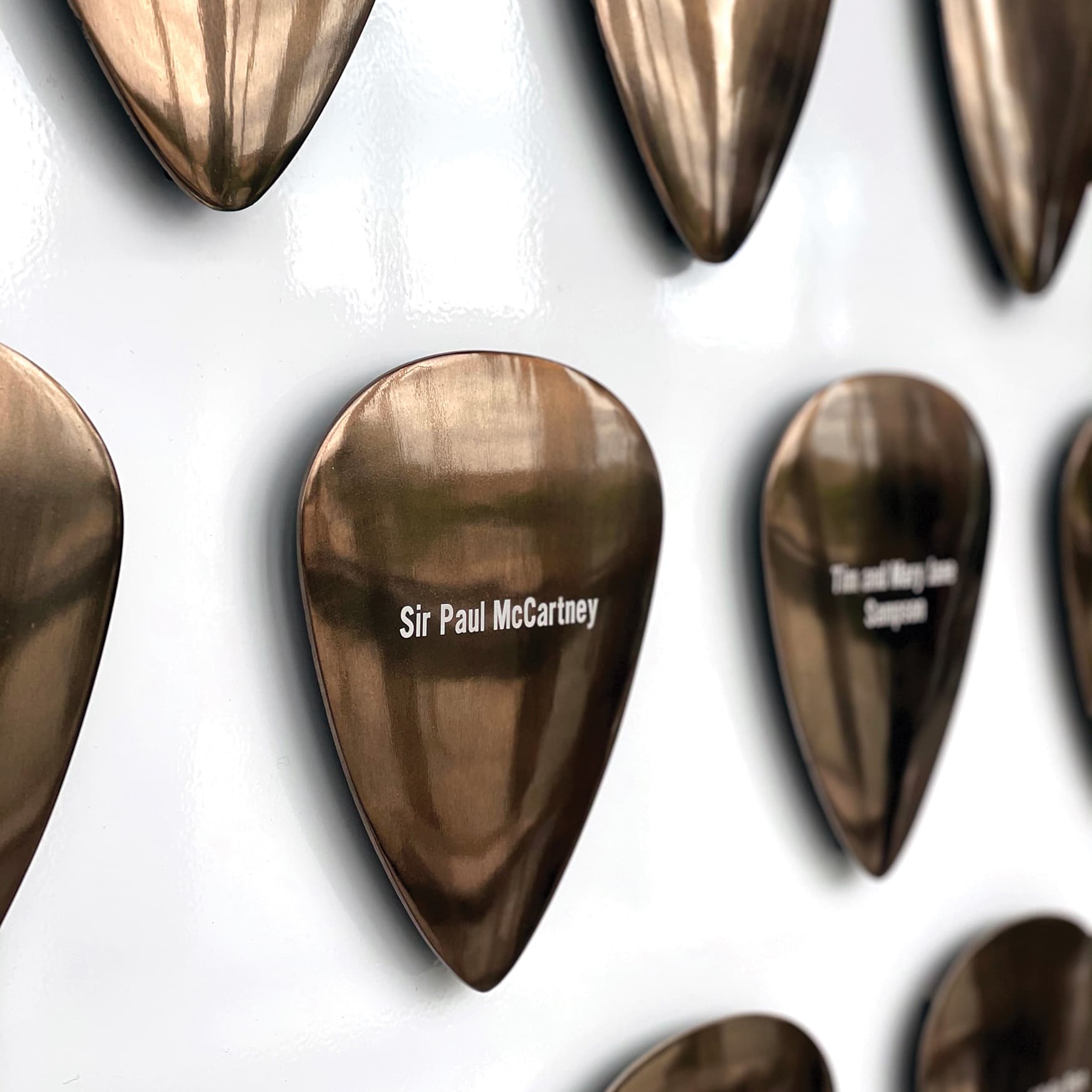
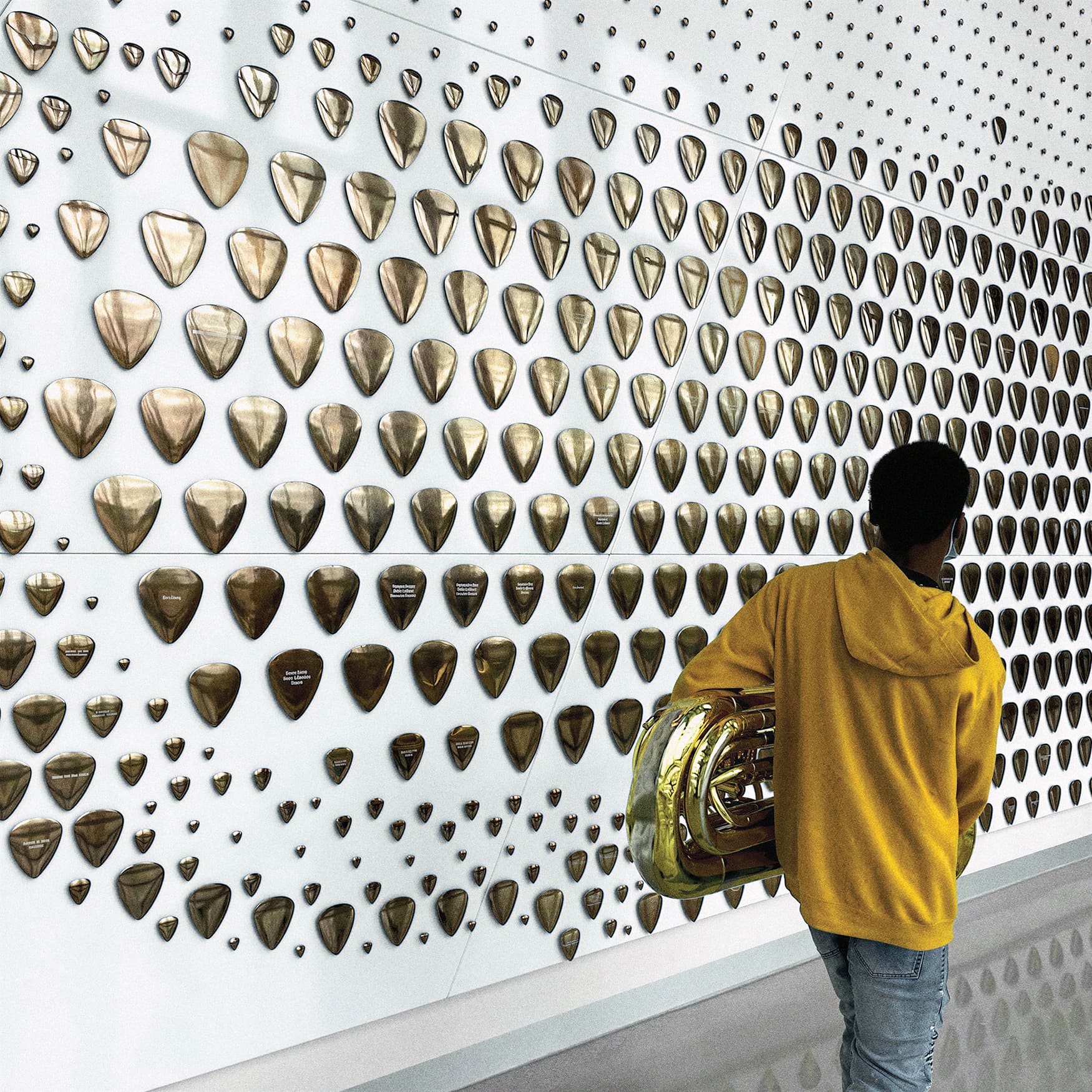
The donor recognition installation at The Buddy Holly Hall captures this principle directly: guitar pick donor identity plaques in varying sizes and densities form a sculptural portrait of Buddy Holly playing his Fender Stratocaster. Individual donors are honored within the piece, yet the whole reads as a work of public art, one that communicates community investment through the visual language of the hall’s namesake. While the user may not notice each element one by one, they are more likely to be drawn into an immersive and cohesive experience within a larger, well-established sense of place.
The Buddy Holly Hall of Performing Arts and Sciences, Lubbock, TX
Rhythm Creates Subconscious Connection
Both music and experiential design succeed when they establish a subconscious connection with the people they engage, working to ensure that the overall experience feels effortless and that the guest is able to settle into a place the way a listener settles into their favorite song.
Ultimately, that sense of ease, discovery, or belonging creates a lasting impression that encourages repeat visits and organic recommendations. Users develop a relationship with a place that goes beyond transactional, one built on feeling, memory, and meaning. Environments such as stadiums, performing arts centers, resorts, public parks, civic centers, schools, and neighborhoods have an opportunity to hold a significant place in people’s lives, not just on their itineraries, but as a destination from which design disciplines work in concert toward a shared experience.
A Methodology Built for Integration
The result of this architectural harmony, at its best, is a place that guests experience without having to analyze. A place that draws people in and gives them a reason to return, not because of any single design feature, but because of the positive emotions they feel when navigating, discovering, and exploring the space.
This is the result of a disciplined approach, careful design integration, and a commitment to treating each element of the built environment as part of a larger composition. These are the standards in which RSM Design’s work is held on each placemaking project, designing with the human experience at the forefront of creative strategy.
When that work is done successfully, each place takes on a unique voice, guiding people’s routines, memories, and their sense of belonging, becoming a song which they return to time and time again. That is the true power of the rhythm of place.
See more of RSM Design’s work at the Buddy Holly Hall of Performing Arts and Sciences ›