The Creative Ecology: How Nature Informs the Design Process
Posted September 08, 2026 · Education
BY CODY CLARK, PRINCPAL & LOS ANGELES STUDIO DIRECTOR
We share a deep need to belong — to feel rooted in a place, connected to community, and grounded in the natural world we so often build apart from. The most enduring designs grow from that understanding: a clear read on the environment, the community it serves, and the principles that govern how living systems — and people — thrive. For nearly three decades, RSM Design has explored this in close collaboration with landscape architects, where environmental graphics and landscape come together to give voice to a place that feels distinctly rooted. As landscape architects, designers, developers, and allied professionals gather in Los Angeles for the ASLA Conference, RSM Design joins the conversation as a fellow contributor, shaped by the belief that design created in harmony with nature — and in service of human connection — produces work of greater depth and meaning.
This belief is the foundation of Principle Centered Design, RSM Design’s approach to uncovering what is true and essential about each project. People are part of nature. We come from it, and each day we create within it — searching for place, belonging, and self. When a design process honors this connection, the work takes root, becoming somewhere people can gather, grow, and see themselves reflected.
This is the creative ecology.
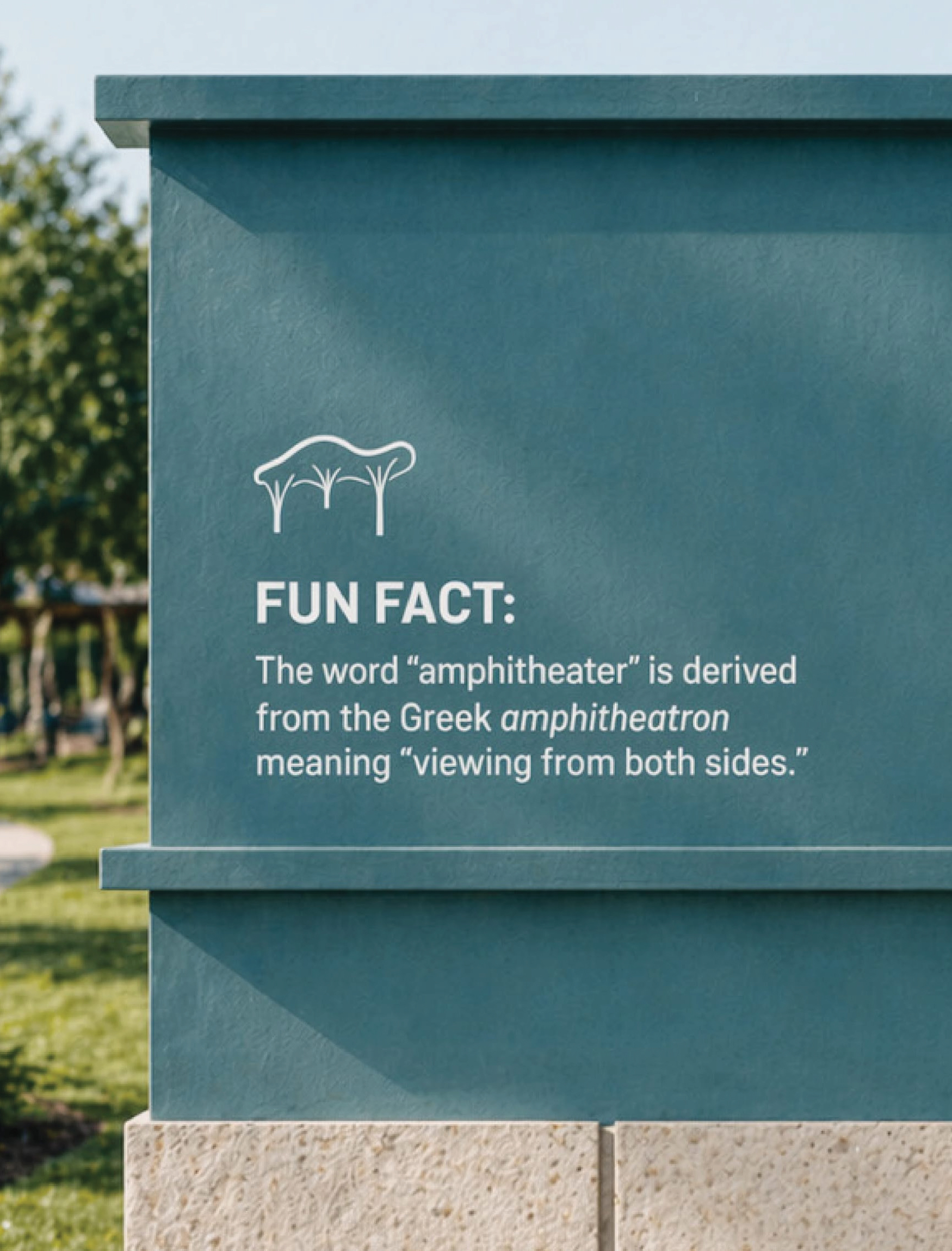
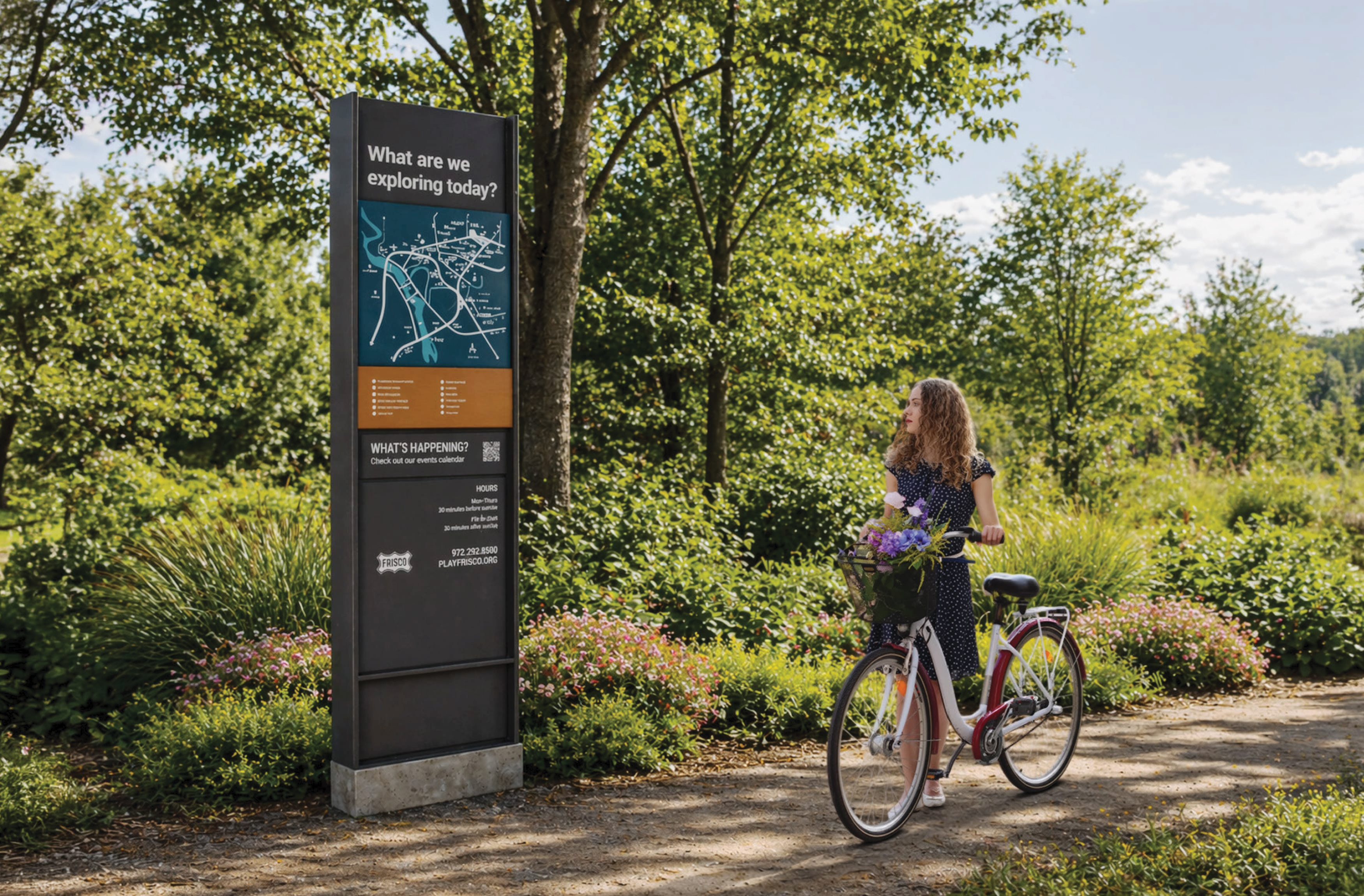
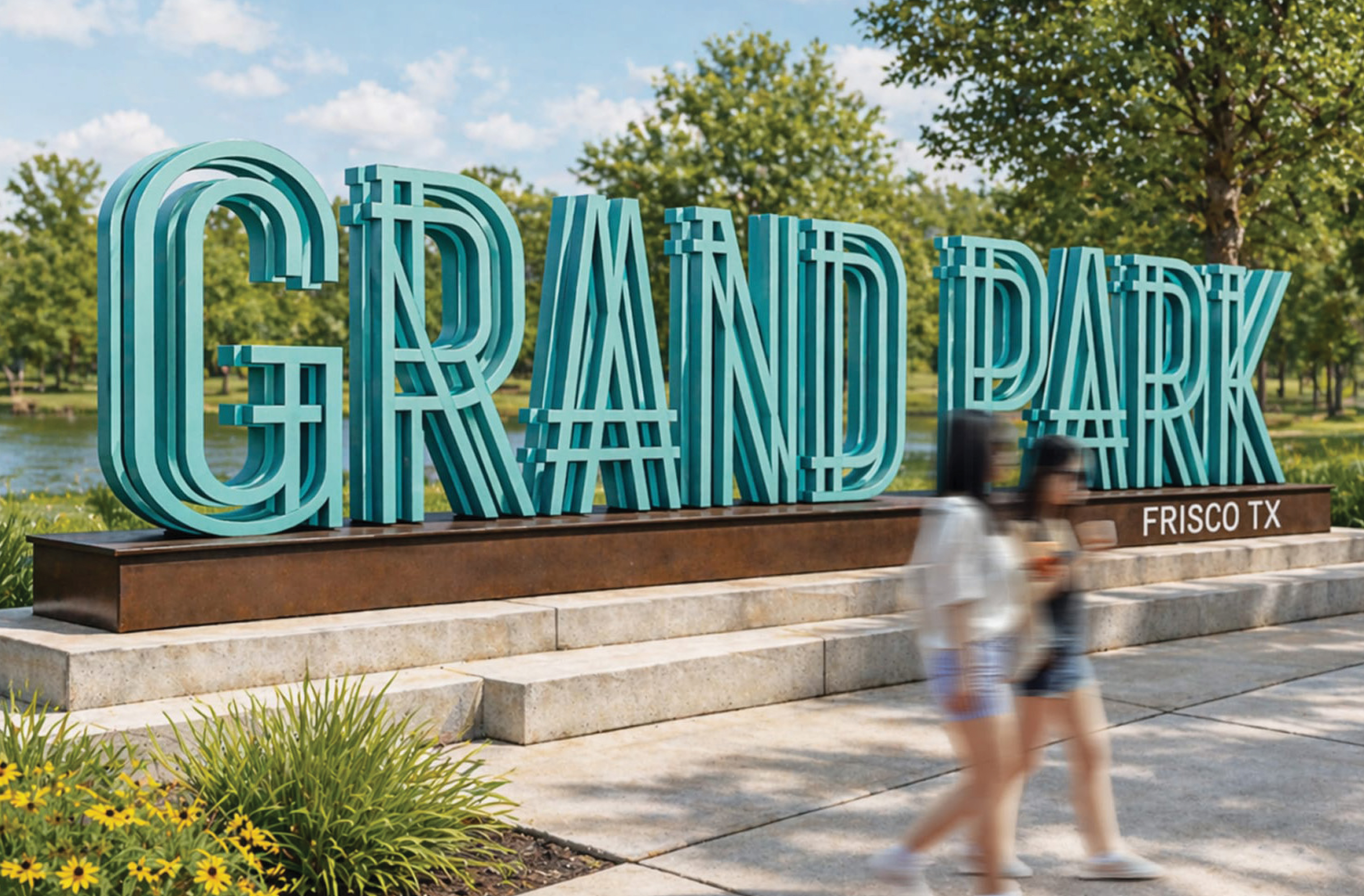
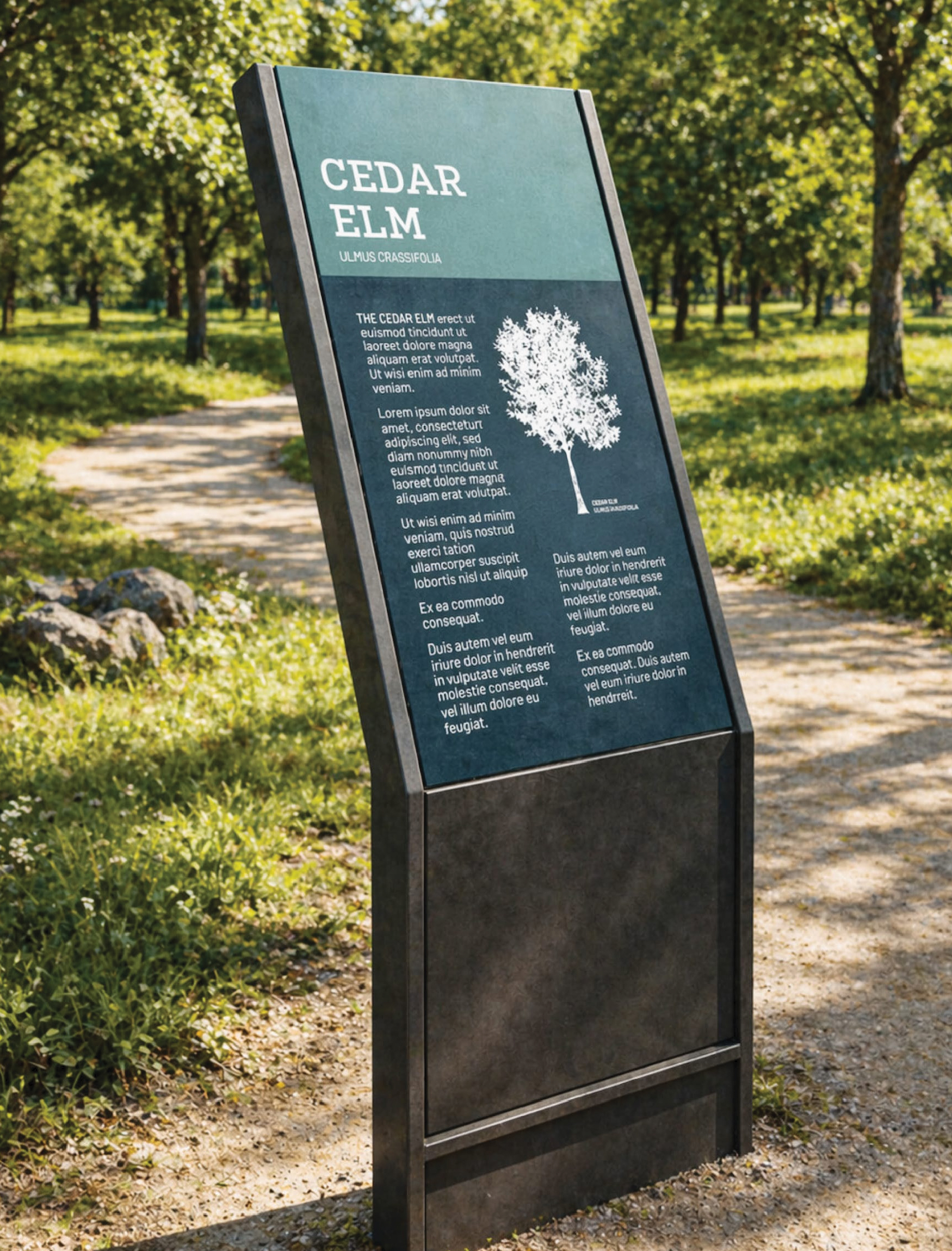
Grand Park, Frisco, TX
Nothing Thrives Alone
No organism survives in isolation. Ecologists call this interdependence — the web of relationships.
Design works the same way. A project without a community to serve has no purpose. A discipline working in isolation misses the larger picture.
The most powerful work happens when everyone is at the table.
Environmental graphic designers, landscape architects, architects, and lighting designers stop asking who owns what and start asking: what will it feel like to be in this place? What makes this place unique and connected to its community? How can we work together to create a thoughtful place?
That shift in perspective is where the creative ecology begins.
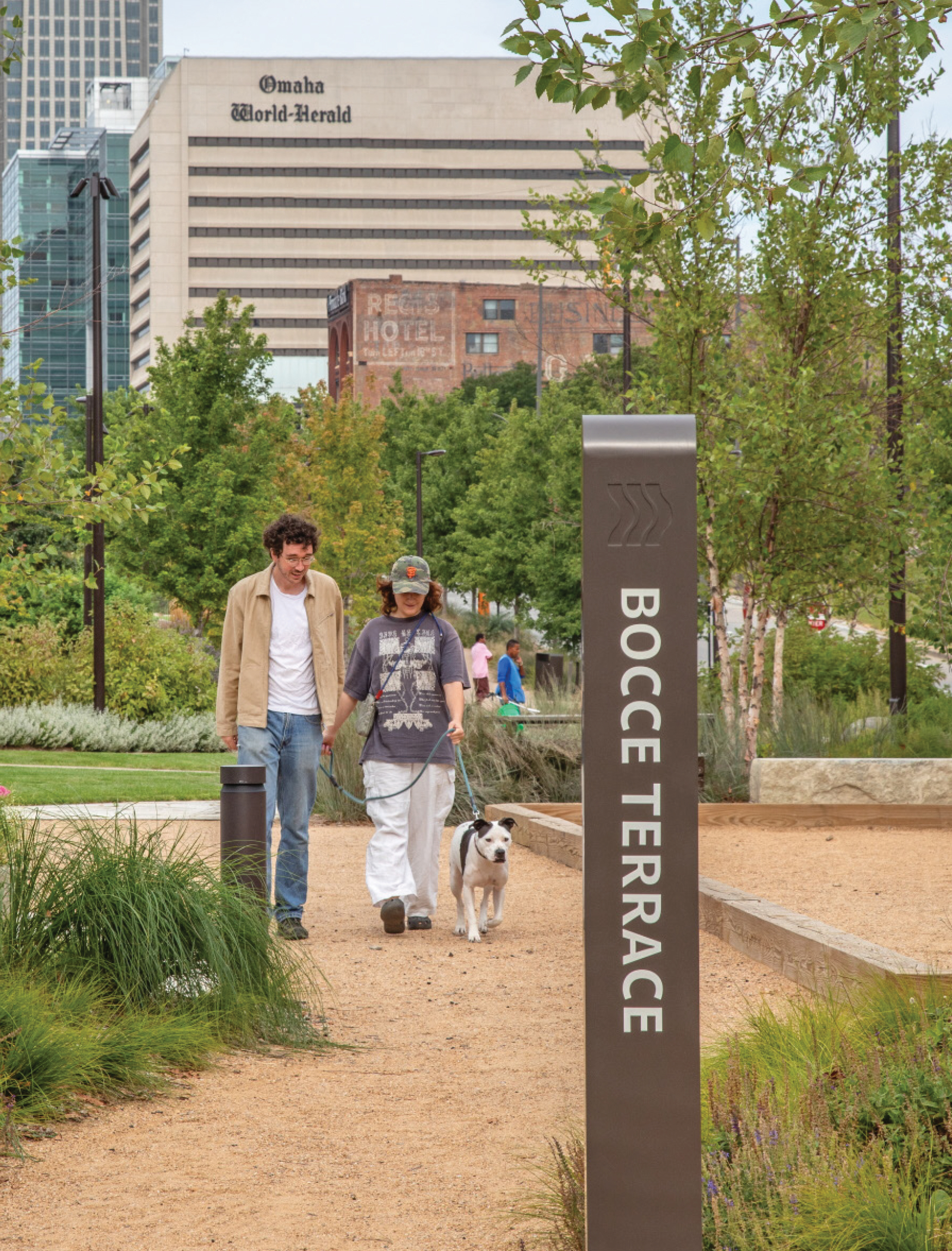
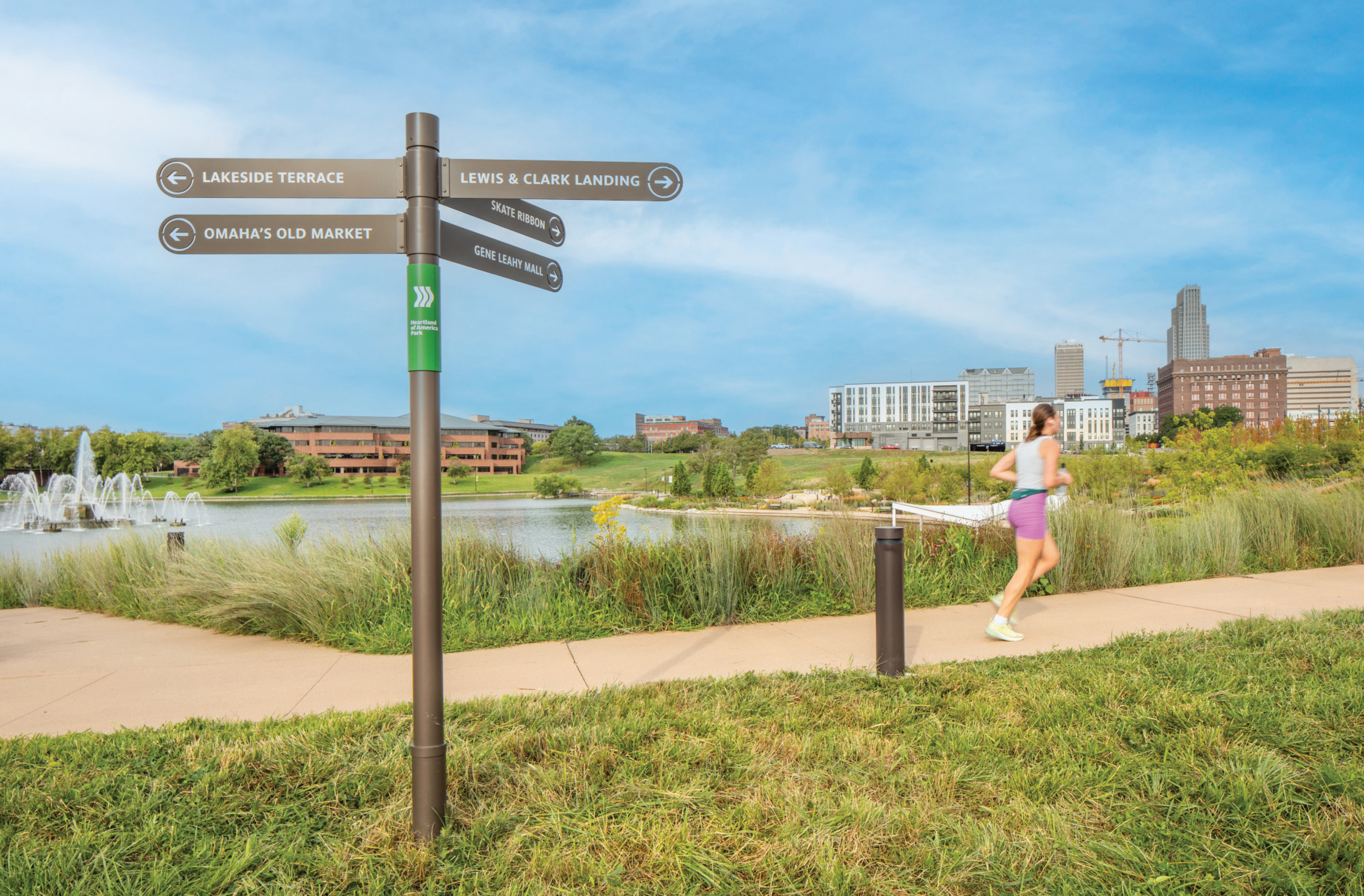
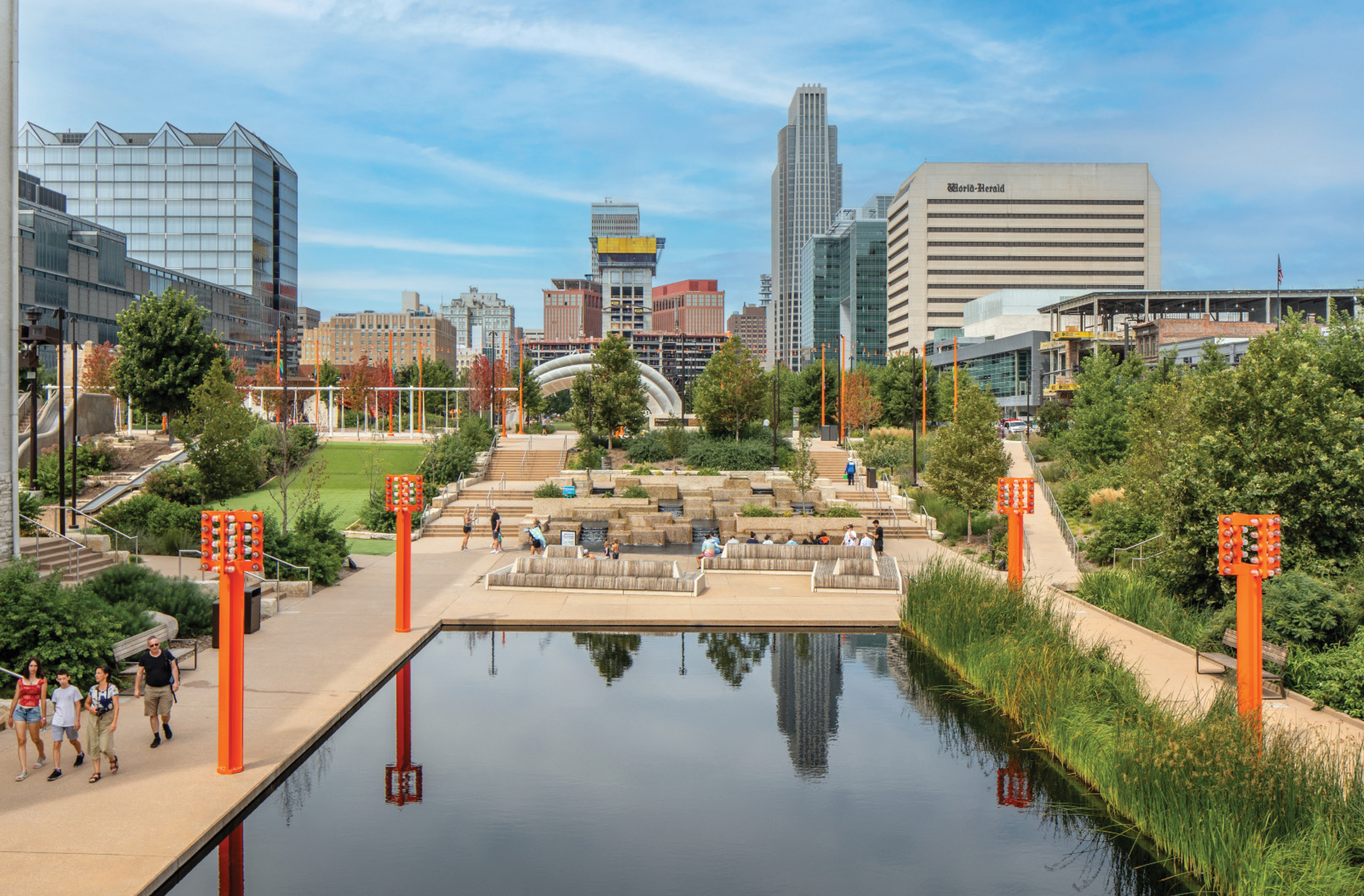
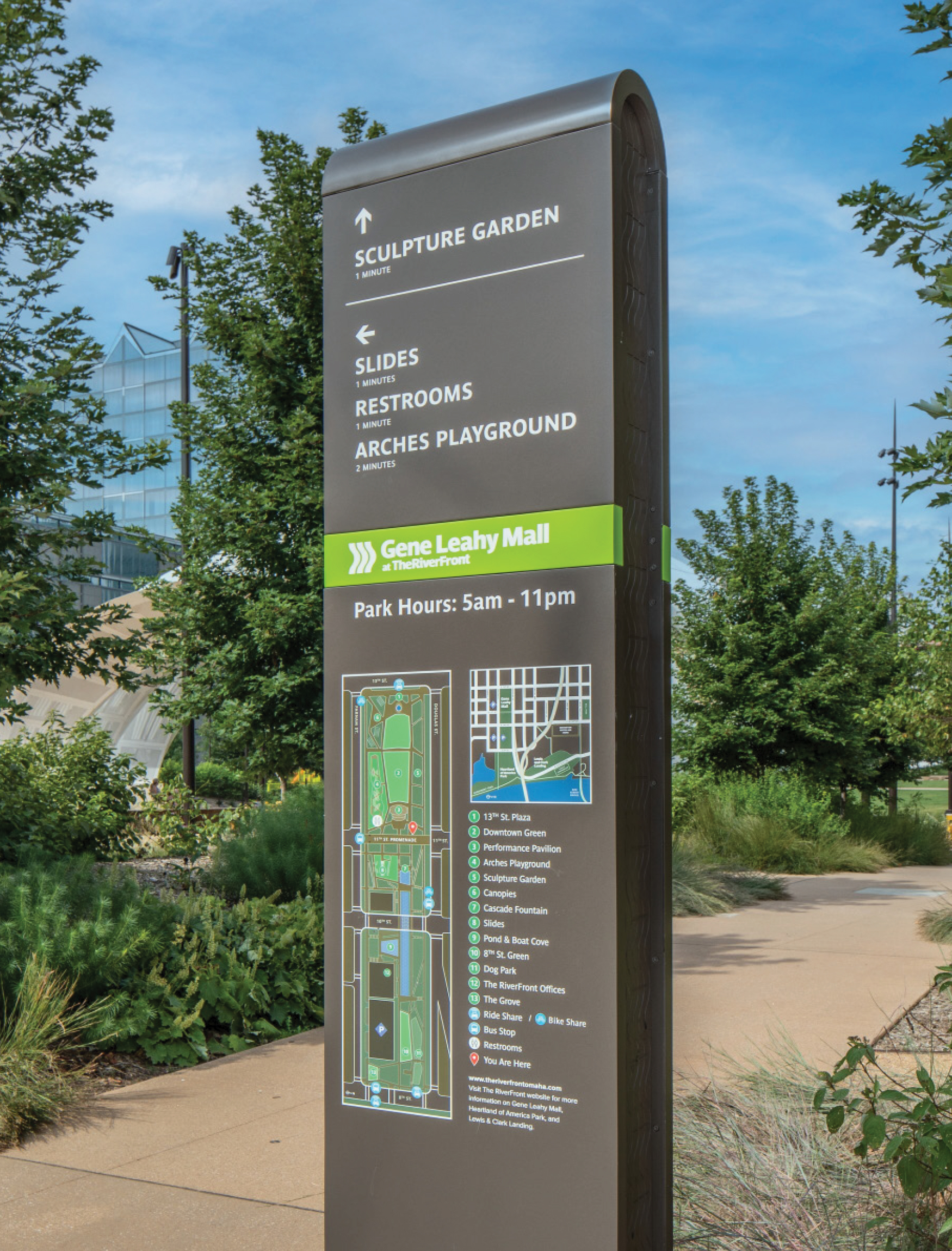
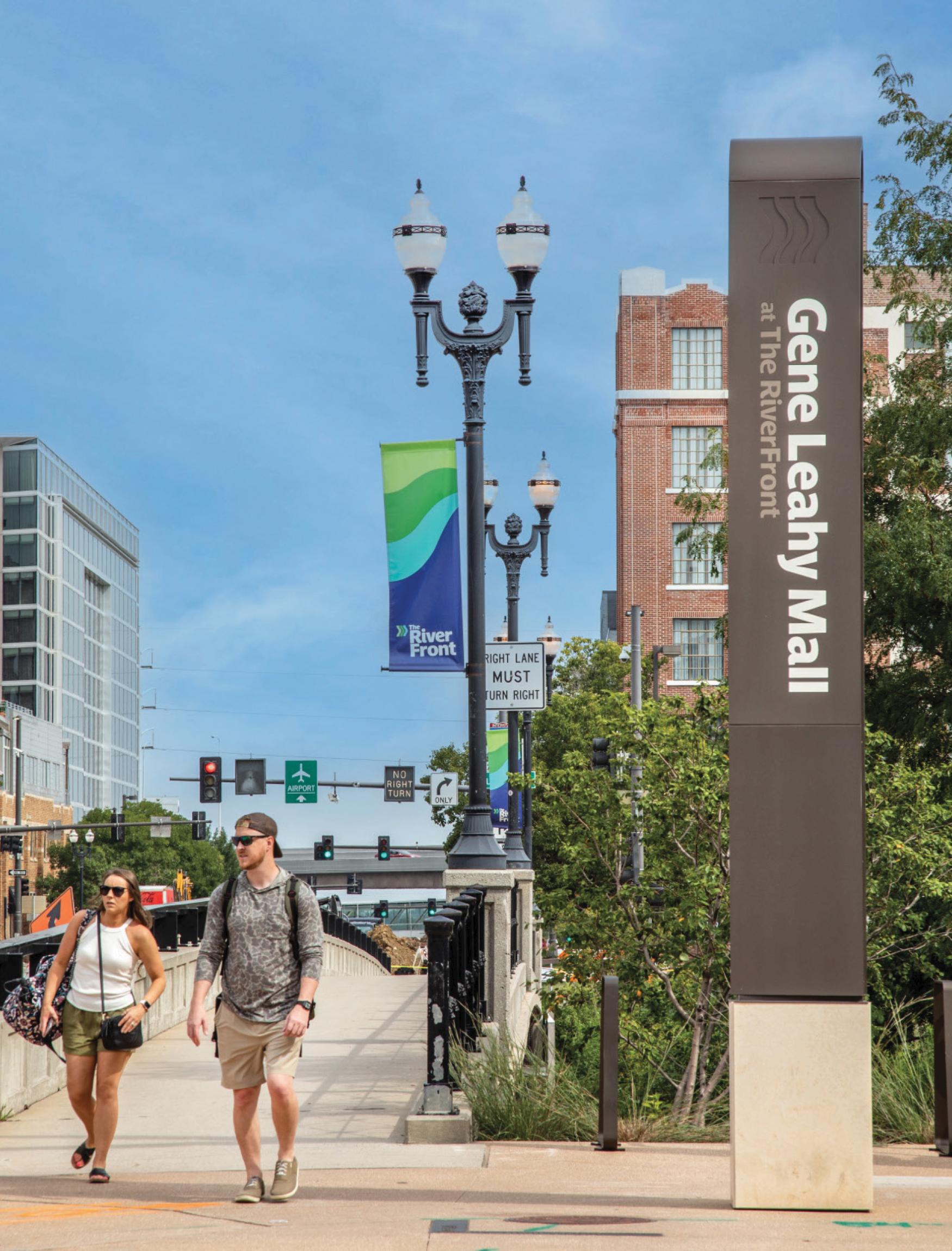
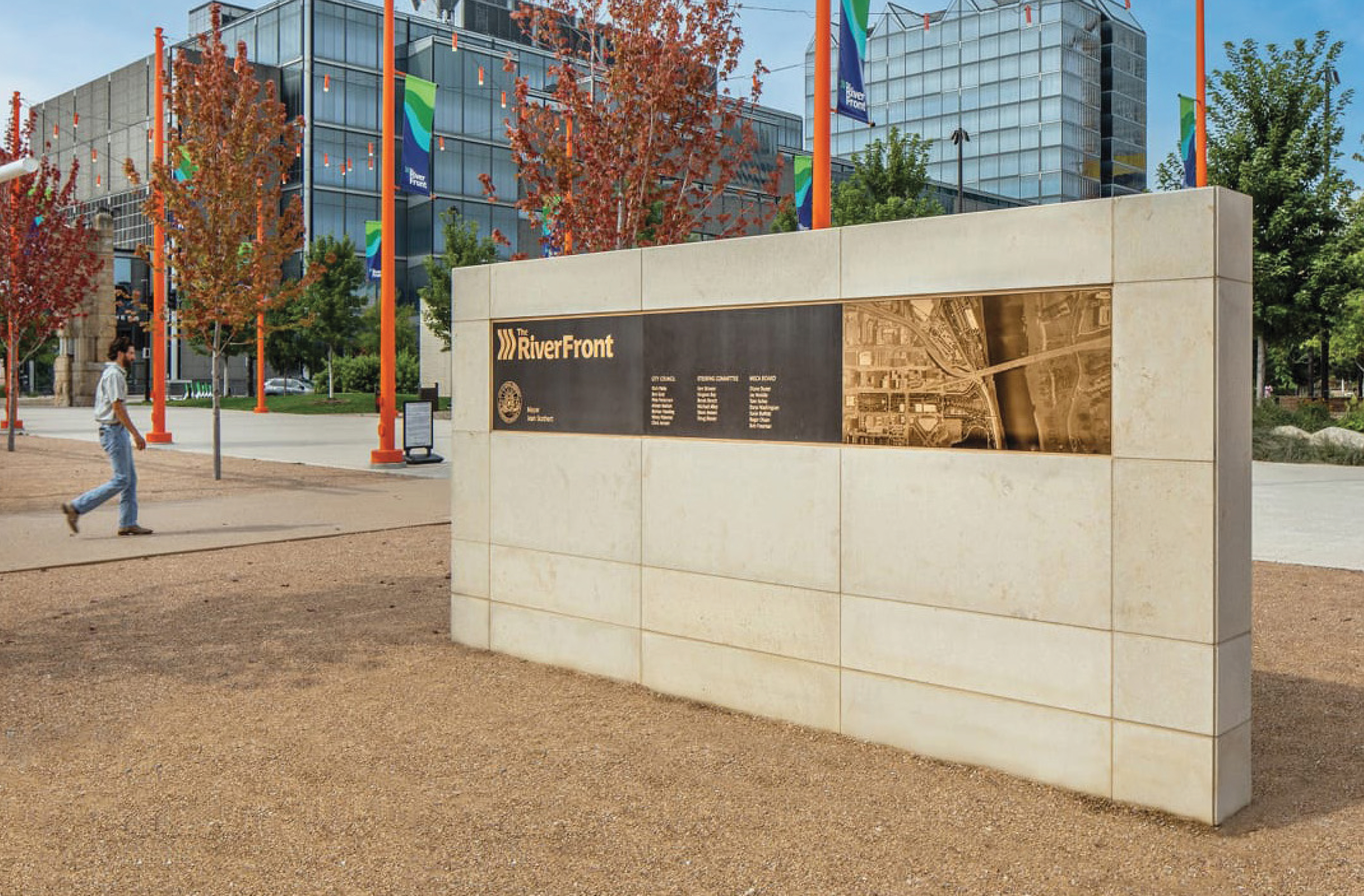
The RiverFront, Omaha, NE
What Nature Teaches
Nature has been solving complex design problems far longer than any studio or firm.
RSM Design looks to natural ecosystems not as metaphors, but as genuine models for how interdependent systems produce something greater than the sum of their parts.
Each part of a healthy system has a role, and each role makes the whole stronger. RSM Design’s Principle Centered Design approach begins the same way: with deep research into the ecosystem of a place — its history, its community, its physical context, and its cultural identity. The resulting design feels like an extension of the environment, as though it had always been there.
Strength doesn’t come from sameness — it comes from different elements working together rather than against each other. That is the principle of Certainty, Variety, and Delight at work. Throughout each project, RSM Design thoughtfully implements Certainty to help people move through a space with confidence, Variety to keep the experience rich and engaging, and Delight to give people something unexpected to remember.
Constraints are not obstacles — they’re something to adapt to and make the most of. RSM Design brings that mindset to each project, studying the specific form, materials, color, language, and community of a place before making a single design decision.
The goal is never to impose a solution, but to uncover the unique story of a place that has been waiting to be told.
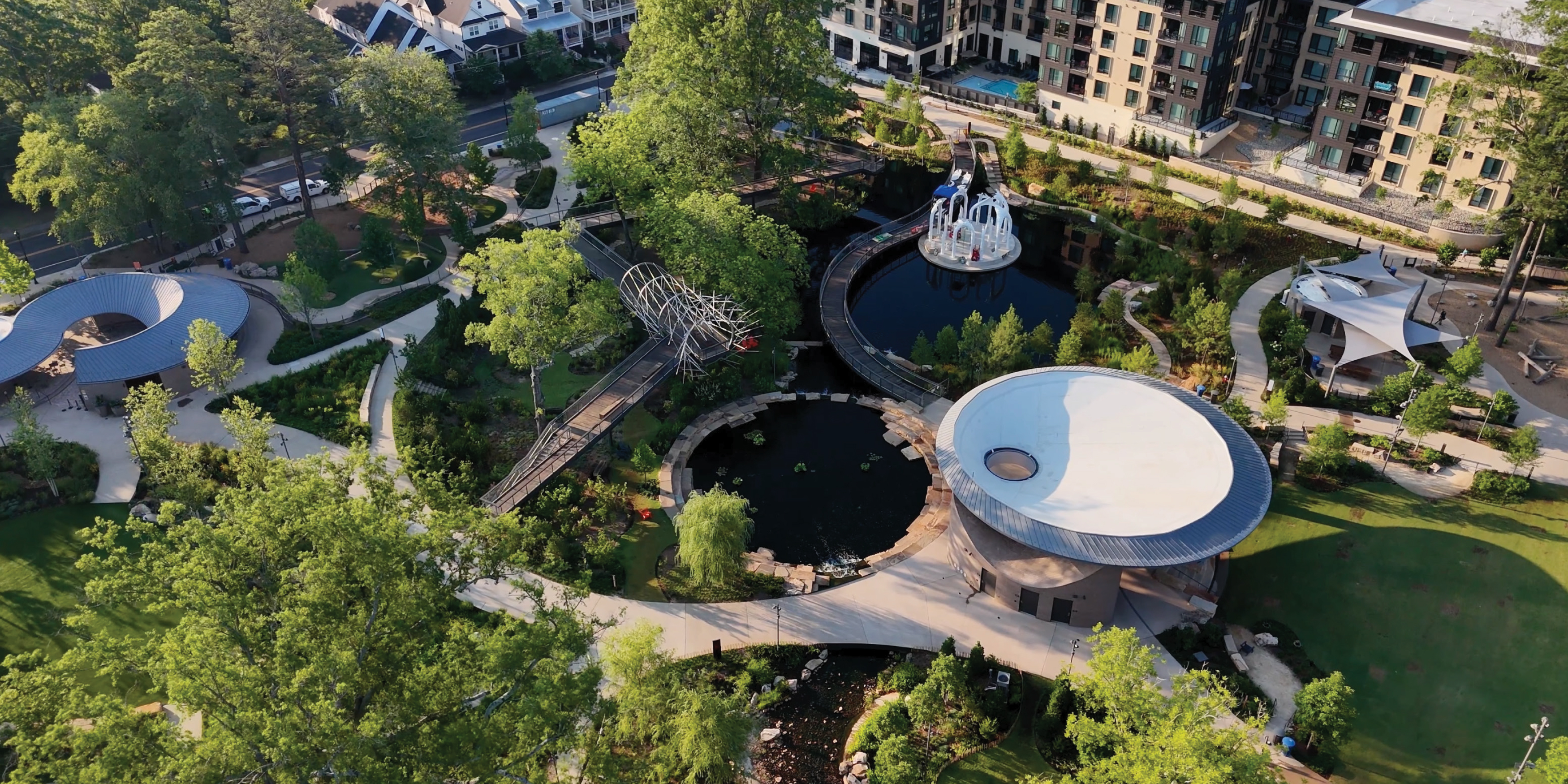
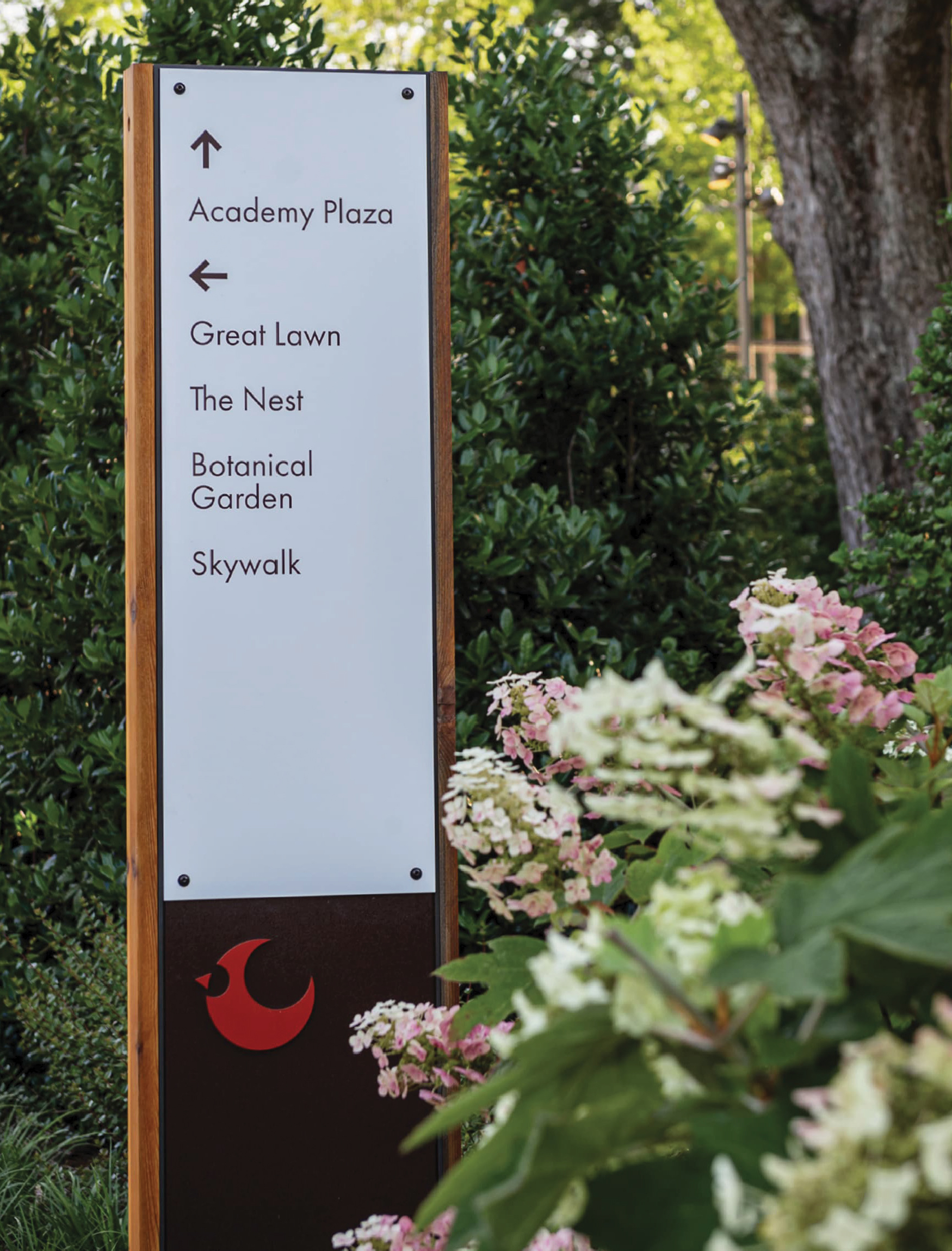
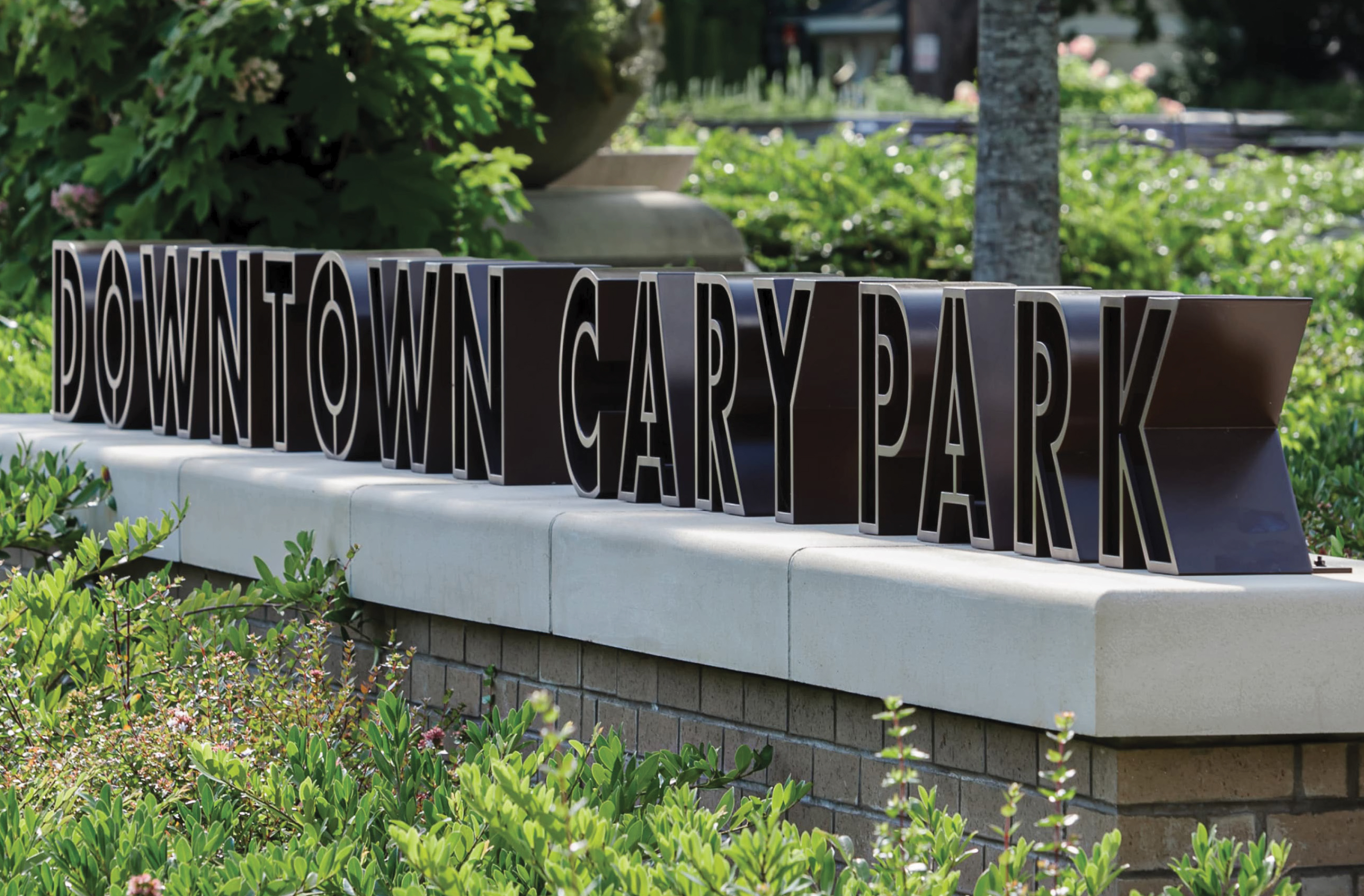
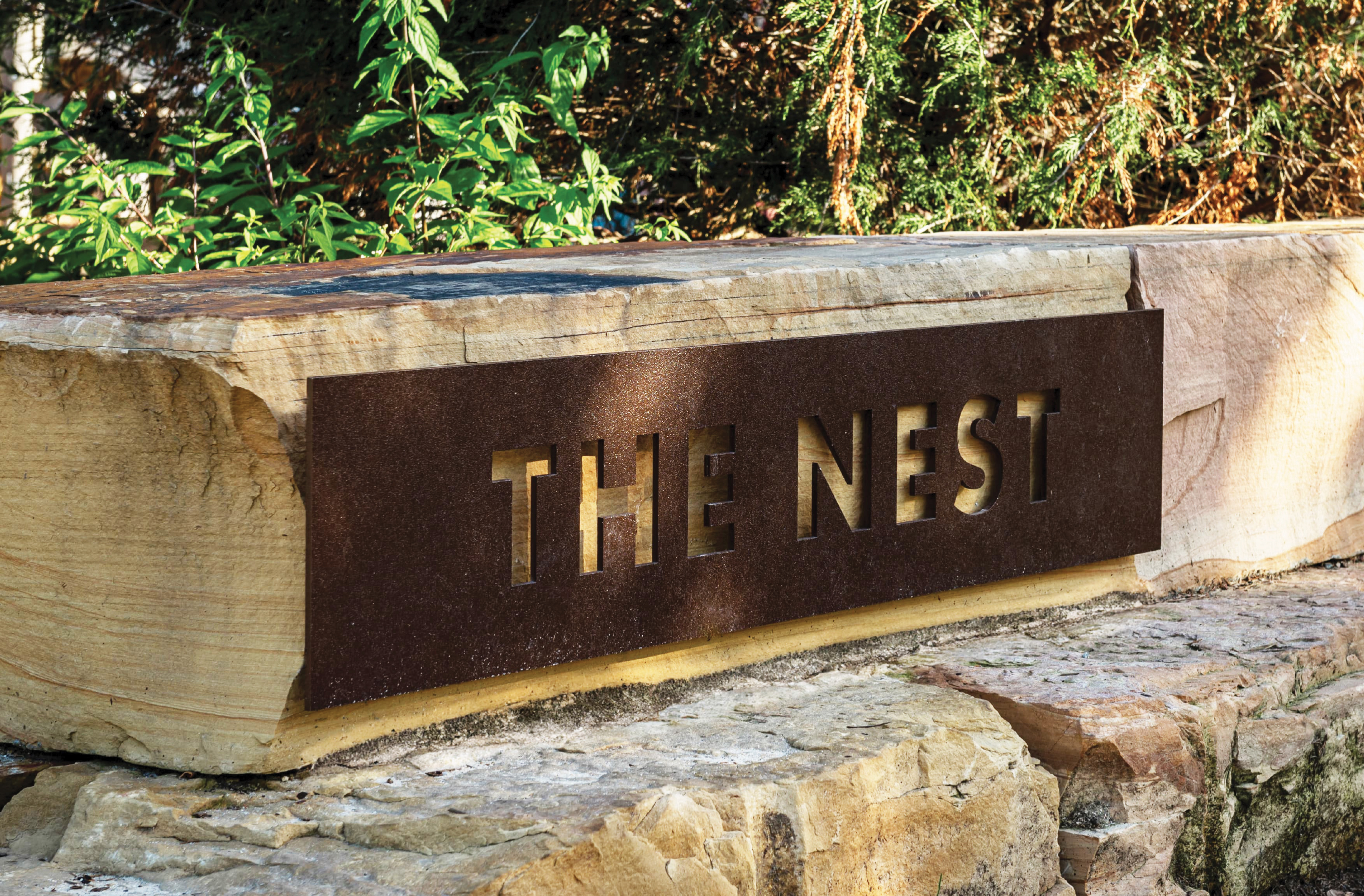
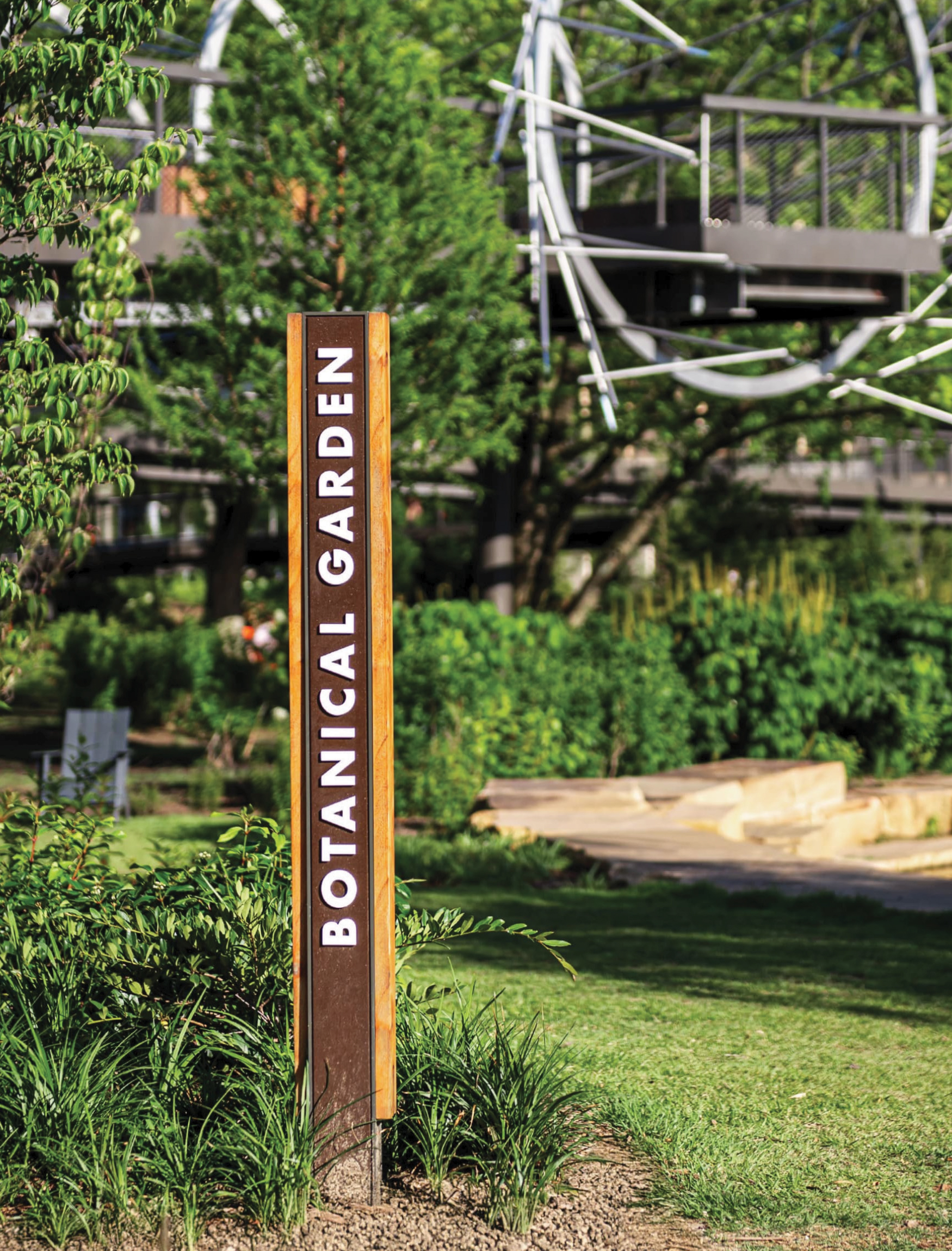
Downtown Cary Park, Cary, NC
Where Landscape & Graphics Meet
A city is a living system, as is a campus, a waterfront, a district, or a park. Like any ecosystem, these places thrive when their components work together.
This is where environmental graphic design and landscape architecture find their most meaningful common ground. Landscape architects give communities their physical form — the paths people walk, the edges that define spaces, the places where people gather.
Environmental graphic design gives that form a voice: wayfinding that builds confidence, identity that tells people where they are, and placemaking that connects people to something larger than themselves.
Neither discipline tells the whole story alone.
Colonial Williamsburg is a case in point. The restoration of Virginia’s colonial capital began nearly a century ago, and that commitment to historical accuracy means every addition — including wayfinding — has to be handled with care. Signage needed to feel period-appropriate and stay minimal enough to disappear into the landscape. RSM Design worked closely with the landscape team so that wayfinding decisions grew out of the site itself rather than feeling added on.
That approach shaped the visitor’s arrival, which happens in two stages: guests arrive by car, then continue on foot into the Historic Area. Wayfinding there does only what’s necessary — orienting guests at key points without pulling them out of the 18th-century experience. That’s what happens when design and landscape inform each other instead of competing: a result that serves not just visitors, but the community that calls it home.
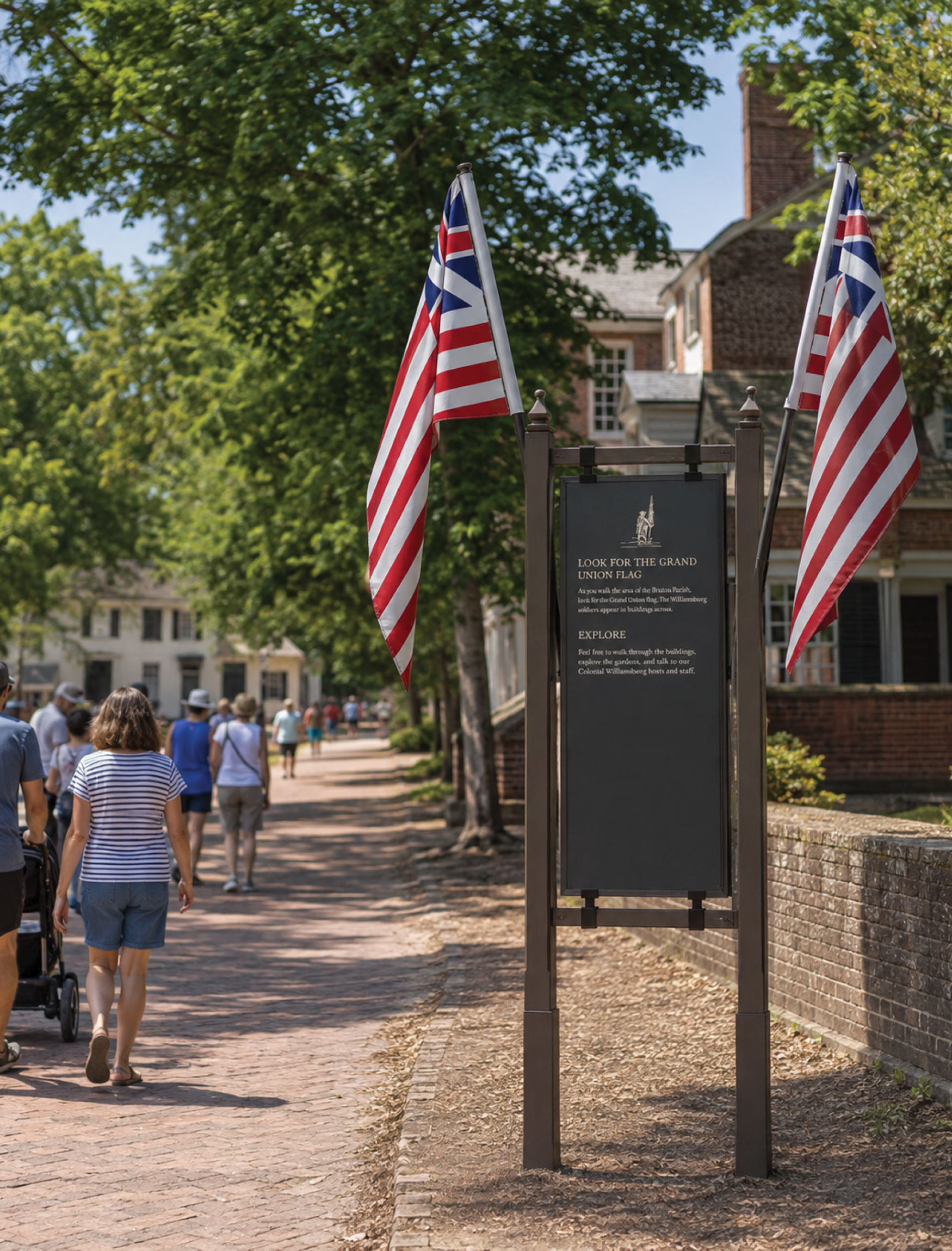
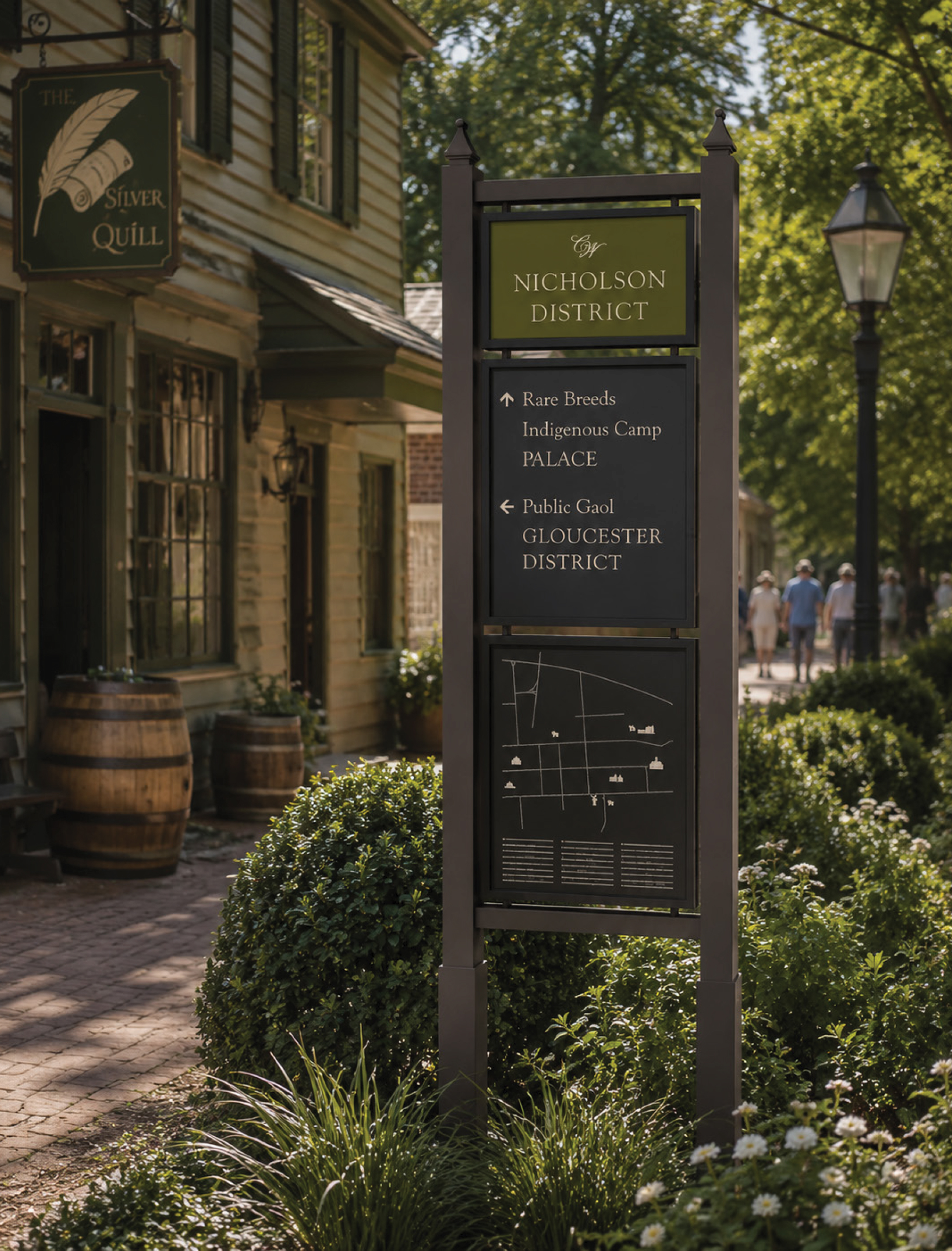
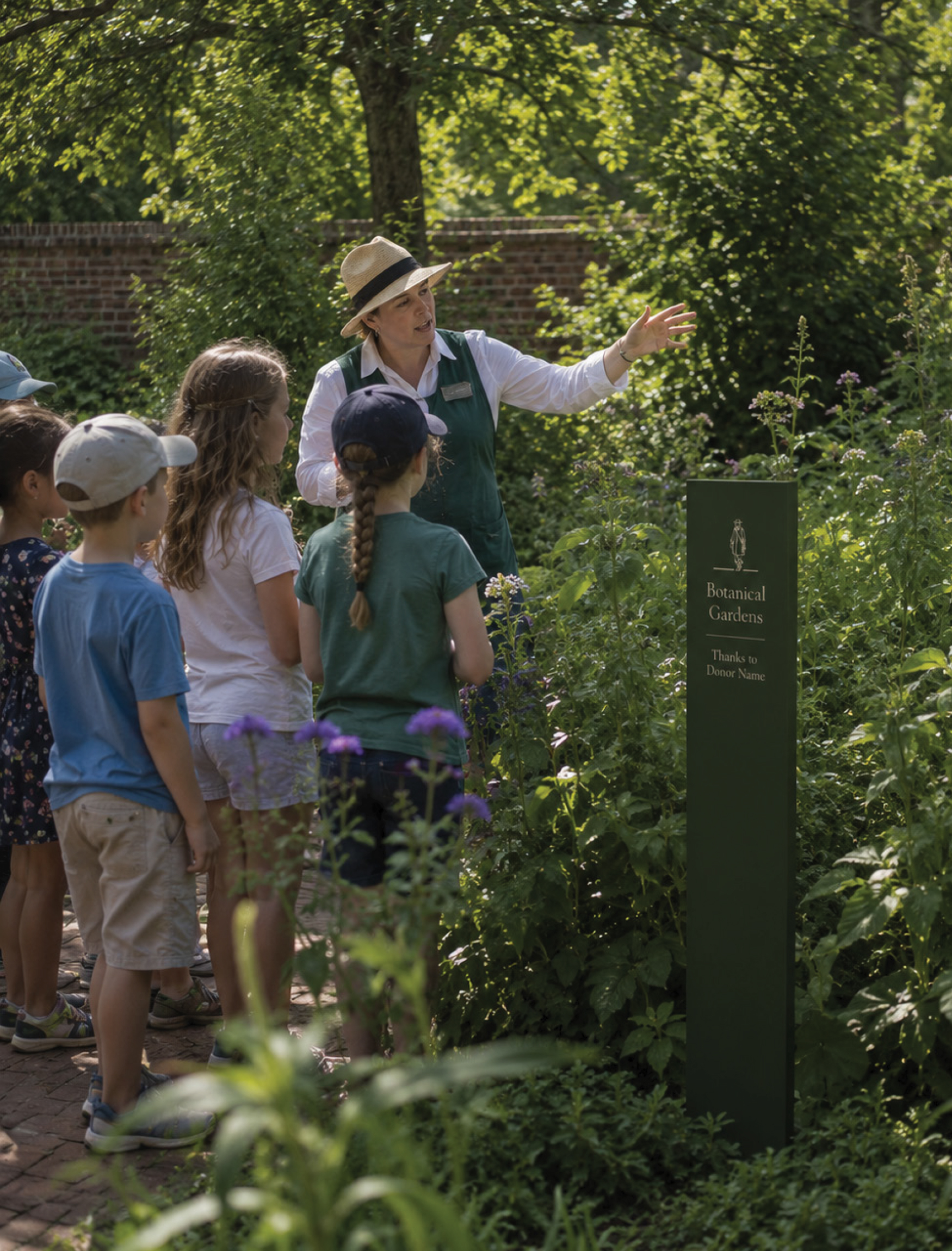
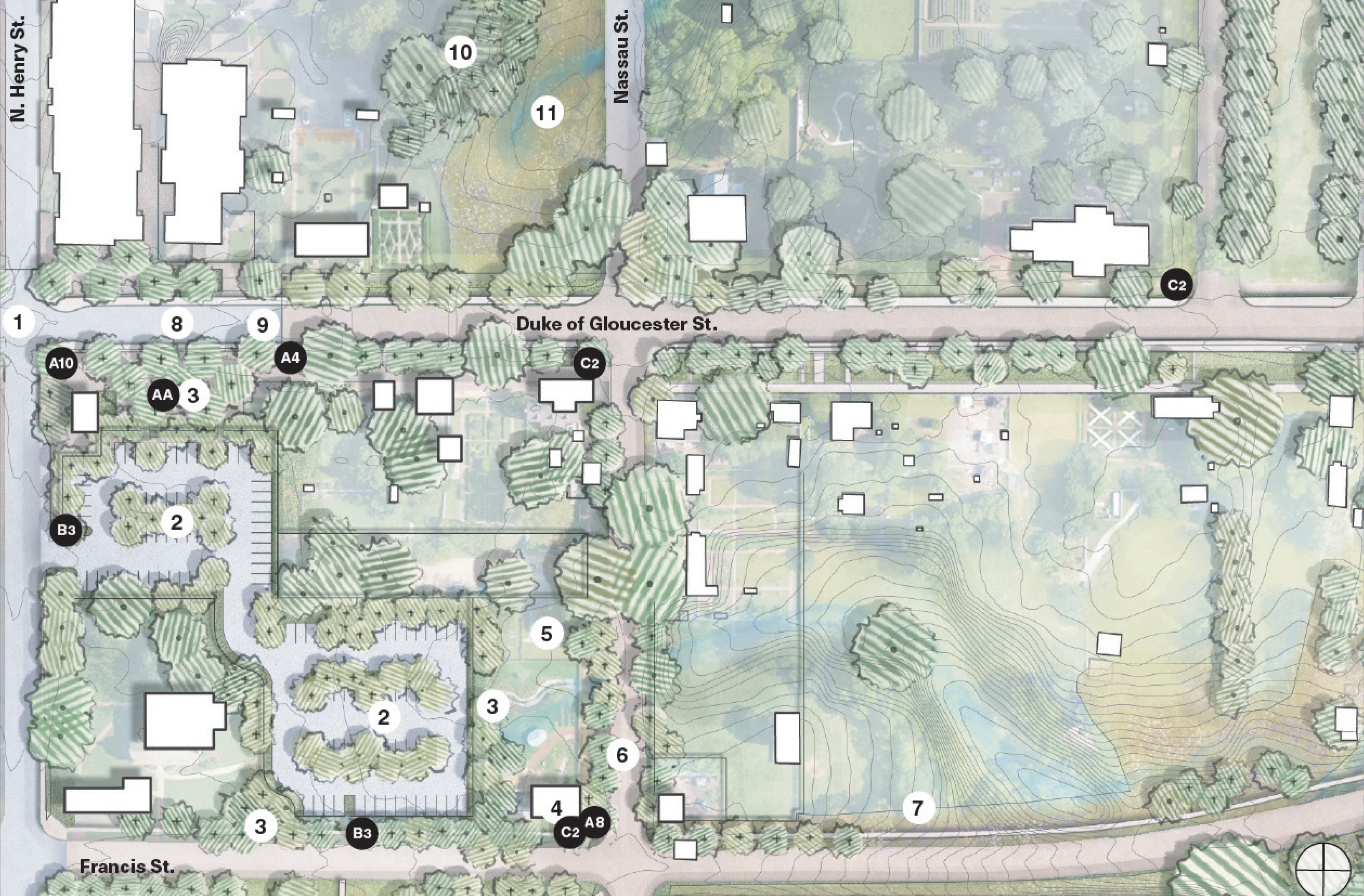
Colonial Williamsburg, Williamsburg, VA
The Creative Ecology in Practice
Nature does not thrive as a resilient system through individual brilliance, but through collaboration, interdependence, and a shared concern for the health and endurance of the greater whole. The relationship between environmental graphic design and landscape architecture works in the same way. When the two disciplines pursue the same principles together, from the earliest stages of a project through completion, the outcome is far greater than either could have accomplished independently.
RSM Design’s creative ecology is grounded in three principles: seek understanding before arriving at solutions, define what a meaningful outcome looks like for every stakeholder, and discover something greater than what anyone thought possible on their own.
These principles lay the groundwork for genuine creative synergy that produces meaningful projects. Projects become destinations with stories worth experiencing, rooted in the communities they serve, growing stronger over time. That is the standard RSM Design and its collaborators hold themselves to.
Learn more about RSM Design’s approach to environmental graphic design ›