The Principles of Placemaking: Transforming Spaces Into Places
Posted June 22, 2026 · Education
BY AARON FERBER, SENIOR ASSOCIATE
The distinction between a location and a destination is the story at the heart of the placemaking process. As a discipline, placemaking encompasses the physical, cultural, and social dimensions of a built environment, and it can turn everyday locations into meaningful destinations that inspire connection, build community identity, and strengthen economic vitality.
The built environment is rapidly evolving, as are modern placemaking strategies. Across the world, destinations are prioritizing the visitor experience and urban centers are reimagining how underutilized and aging spaces can be infused with new purpose. In both cases, the core questions remain the same: what makes a destination worth visiting and how can designers craft deeper emotional connections between people and place?
For retail destinations and urban environments alike, understanding the principles of placemaking provides a strong design foundation for urban projects. By bringing together strategies that enrich community identity through graphic design, wayfinding, public art, and spatial thinking, designers have the opportunity to transform environments into destinations that foster impact and engagement.
Beginning With The Community
No placemaking effort can succeed without a clear understanding of the people it is meant to serve. The process begins with authentic community and stakeholder engagement: listening to uncover local needs, goals, and cultural contexts before design decisions are made. This is especially relevant in retail and mixed-use environments, where the audience is often diverse and the expectations span a wide range of experiences.
For urban repurposing projects, community input carries even more weight. The history of a site matters to the people who live and work nearby. Gathering that insight early on in the design process can better shape a development that feels natural rather than imposed.
People-First Design
Effective placemaking is built around people-first design principles, creating places that prioritize human needs and well-being while inspiring a sense of belonging, identity, and genuine connection with the built environment. This means not only addressing users’ physical needs (such as accessible seating, pathways that encourage exploration, shade and shelter), but also taps into their emotional, intellectual, and spiritual intelligences. This includes placemaking that prioritizes community programming, public art, visual storytelling, and rewards curiosity and wonder.
This whole person approach acknowledges that the engagement with a place is often more valuable than transactions in today’s cultural, commercial, and urban centers. The infrastructure may be what draws people in, but placemaking is what keeps people engaged moment to moment.
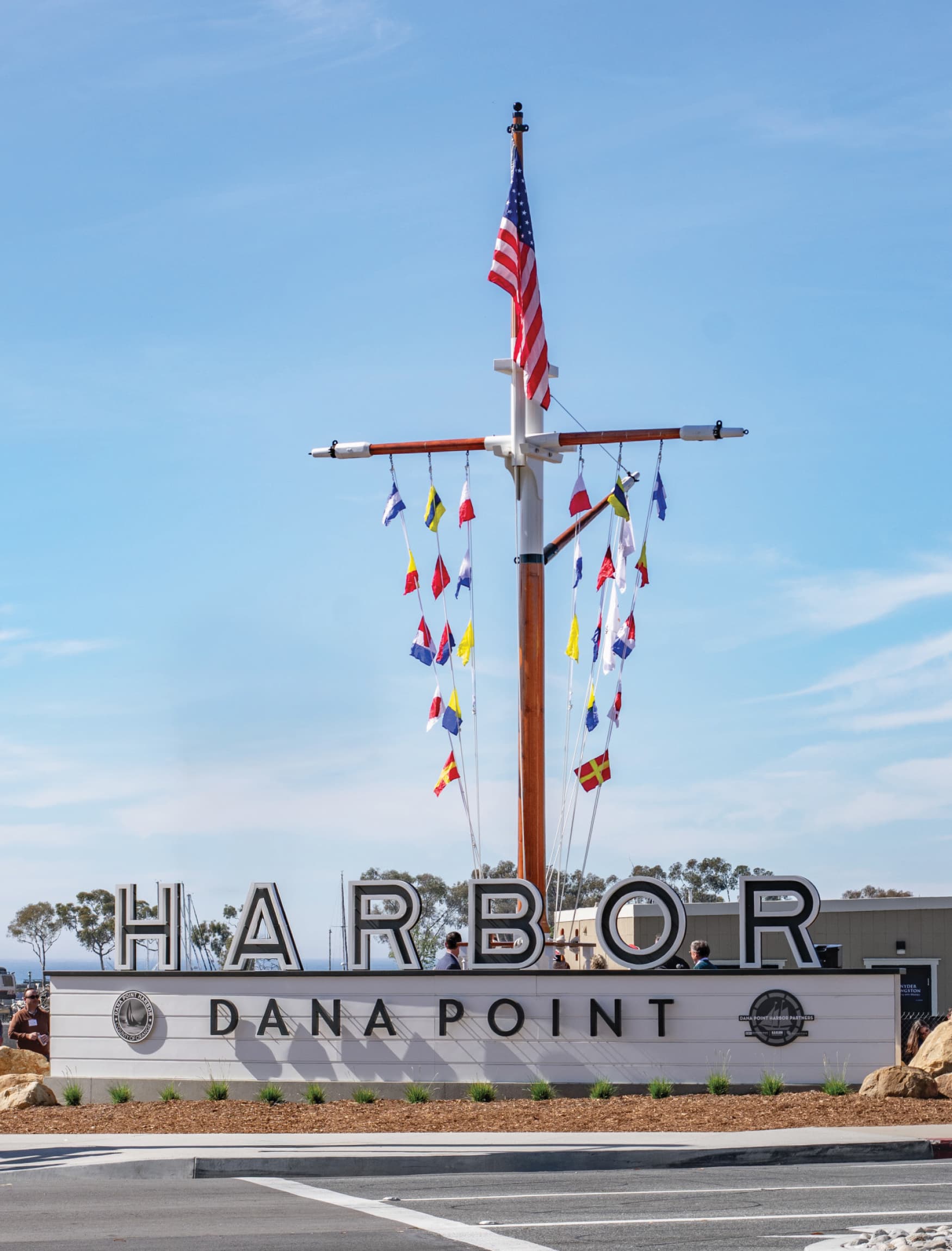
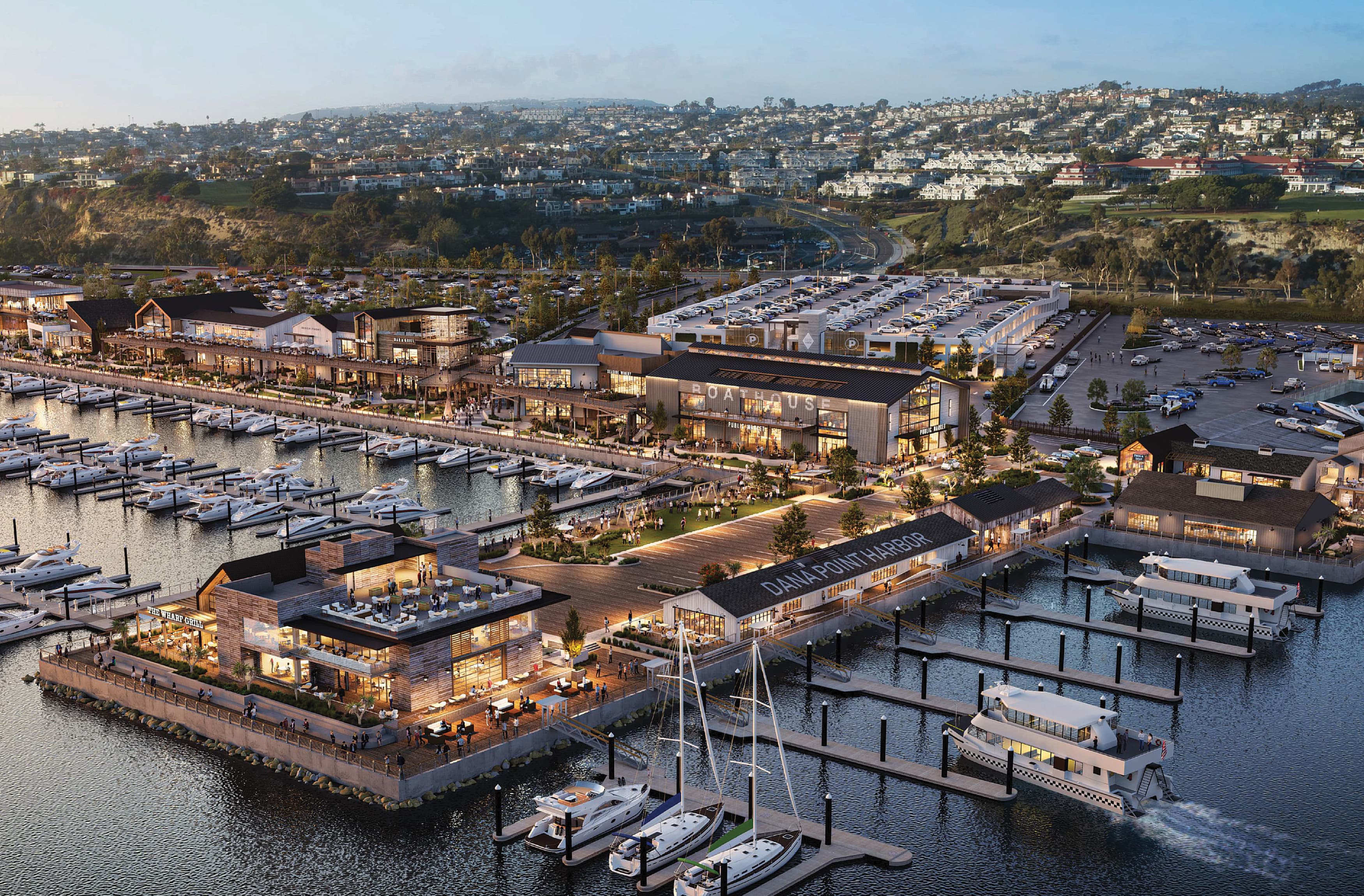
Dana Point Harbor, Dana Point, CA
Inclusivity & Access
A successfully designed place is one that works for people across a range of backgrounds, ages, and abilities. Inclusivity in placemaking ensures that public areas are easily accessible, both physically and socially. Upholding inclusivity and access as primary placemaking design standards can help deepen the visitor experience in profound ways.
In urban revitalization contexts, inclusivity carries an added dimension. Repurposing a neighborhood or district requires attention to the community the space has served. Inclusive design can help build (or re-build) community trust and create environments with deep and timeless roots.
Adaptability Over Time
Places that stand the test of time are designed to transform with community needs and interests. Adaptability means designing for an intrinsic flexibility; consider spaces that can accommodate a farmers market on Saturday and a community event on Sunday, tenant mixes that can shift as the market evolves, and infrastructure that supports future programming without requiring a complete overhaul.
This principle is particularly relevant to urban repurposing and revitalization projects. Adaptive reuse (or transforming an existing structure) is inherently an exercise in designing for change. The structure of a building is preserved while the use, identity, and experience of the space are reimagined to better serve the changing urban narrative and context.
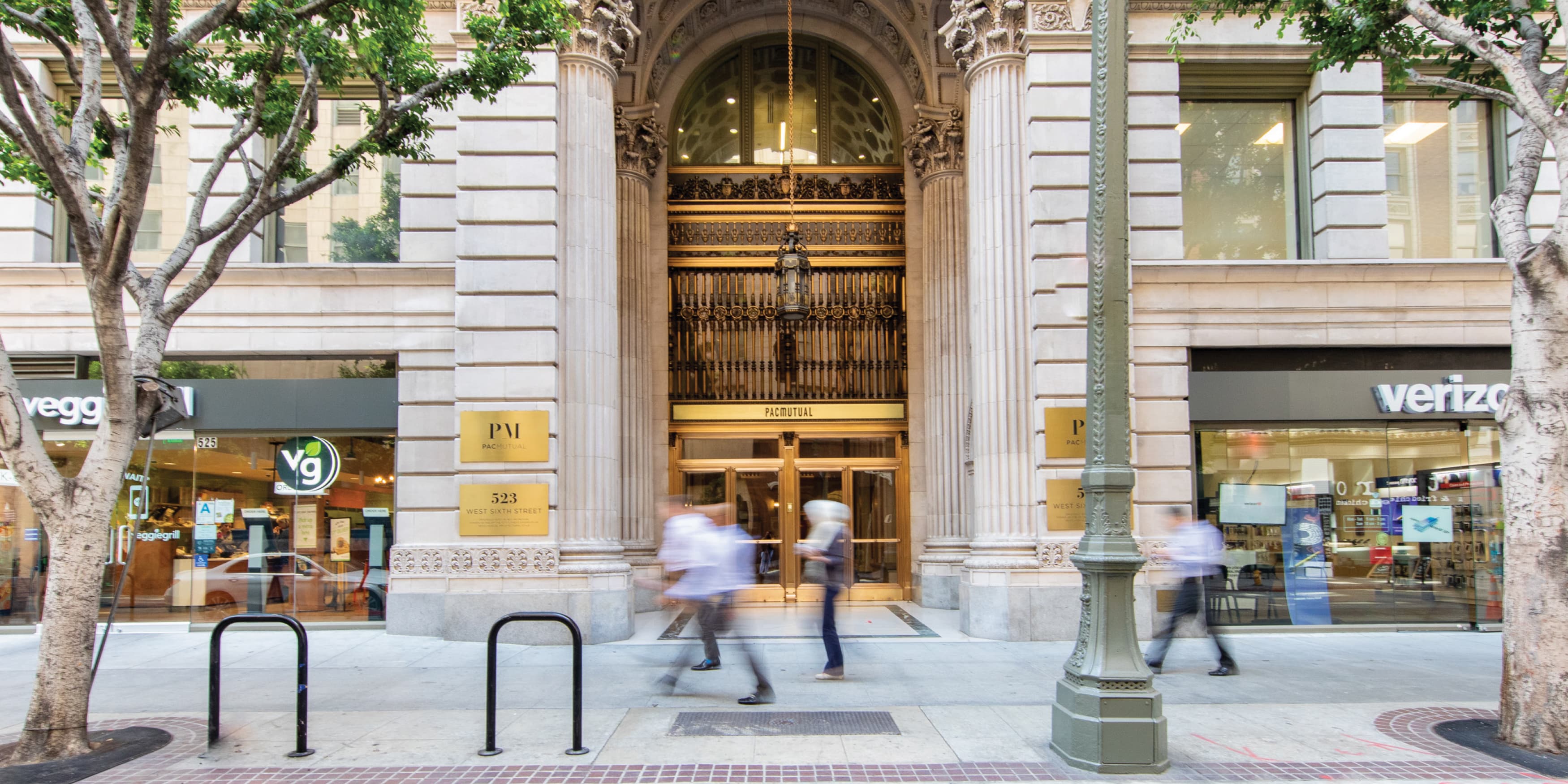
PAC Mutual, Los Angeles, CA
Sustainability as a Standard
Responsible placemaking incorporates ecologically sound practices from the beginning. This includes resource efficiency in material selection, green infrastructure, and design decisions that reduce long-term operational impact. Sustainability is not a feature to add at the end of a project but a discipline to be woven throughout each design initiative. By taking into account a place’s intrinsic environmental conditions, contexts, and natural resources, placemaking solutions become more integrated, more responsible, and more likely to endure.
Identity & Character
The most distinctive places carry a clear and unique sense of character. Identity in placemaking refers to the way a design reflects the history, stories, and cultures that underscore its physical location. A retail district in the American Southwest calls for a different visual language than a waterfront market in the Pacific Northwest. When design honors local identity, it creates authenticity that visitors and residents can recognize physically and feel emotionally.
This is where environmental graphic design plays a defining role. Branding and identity systems, monumentation, wayfinding, specialty graphics, public art, and murals are the tools through which identity is expressed in the built environment. Approaching these elements as a unified system gives a place clarity, character, and a consistent visual voice throughout the user journey.
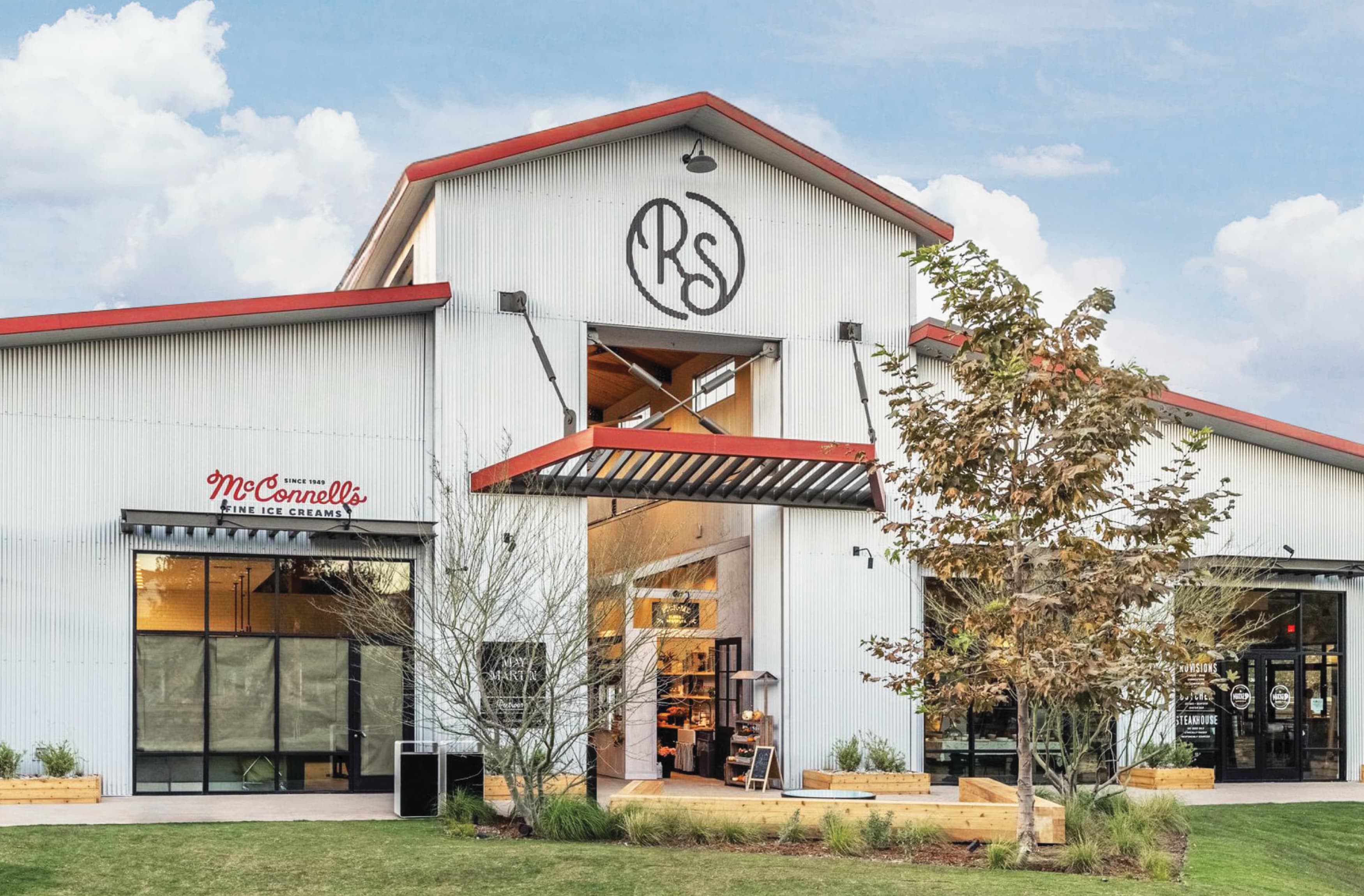
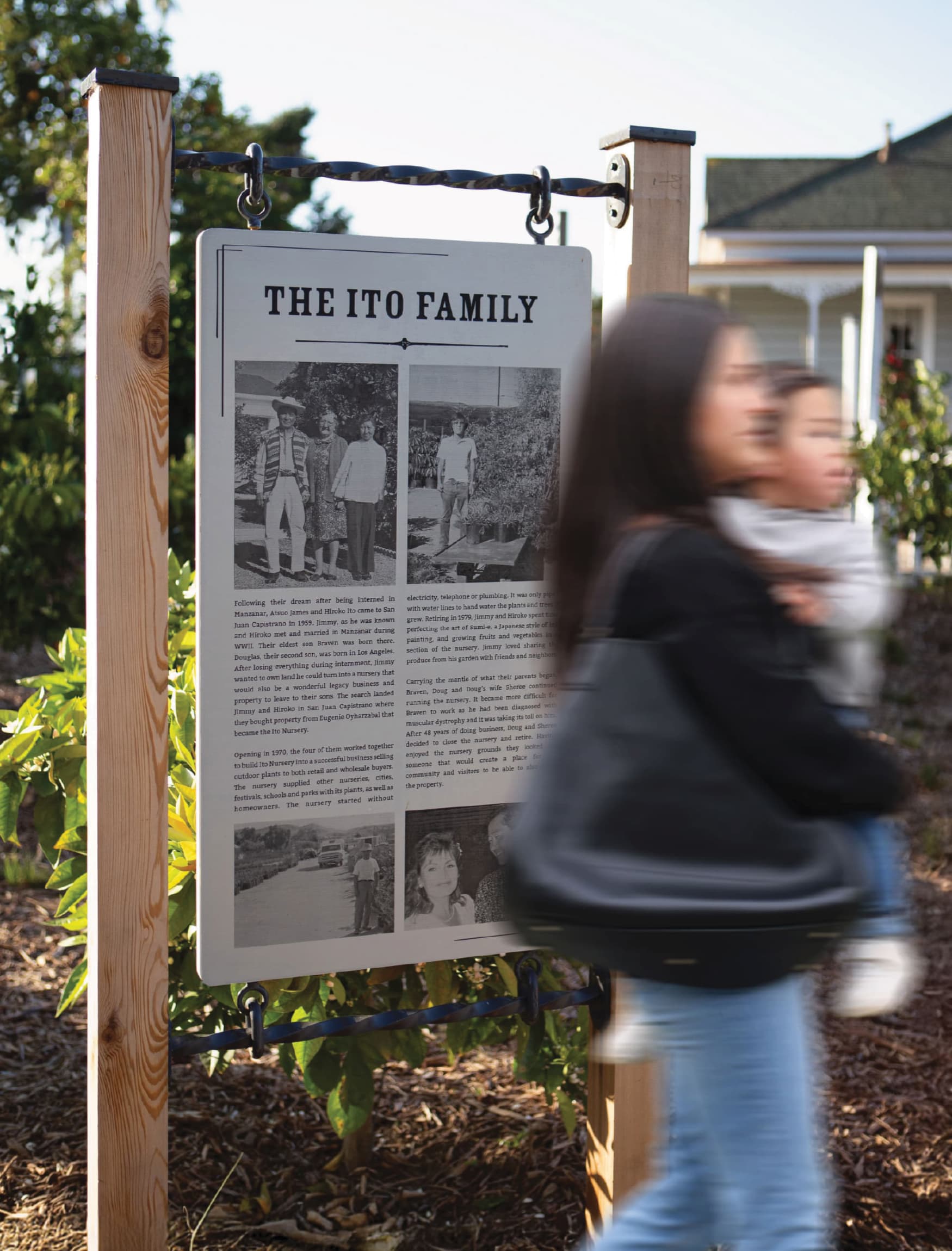
River Street Marketplace, San Juan Capistrano, CA
Certainty in the Experience
Placemaking succeeds when people feel confident and oriented as they navigate a space. Certainty emerges from clear wayfinding, strong identity signage, and a logical sequence of information that guides guests from arrival through their departure. For large-scale retail environments and urban mixed-use districts, these elements connect the initial design vision to the practical reality of how people actually experience a place.
Variety & Mixed-Use Strategies
Active, engaging places draw from the variety of mixed-use design. Retail positioned alongside dining establishments, recreation woven into residential neighborhoods, civic spaces adjacent to commercial tenants; this variety creates the conditions for a place to feel genuinely alive at different hours of the day and for different audiences. Urban repurposing projects in particular often have a structural advantage here.
Delight as a Design Objective
Incorporating moments of delight and enjoyment into the design process helps to produce experiences that exceed visitor expectations and invite repeat engagement. By engaging the five senses with aesthetic and harmonious environments, visitors can find themselves more present and at ease in their surroundings.
Whether this involves a mural that tells a neighborhood’s story, an interactive installation in the center of an urban plaza, or a custom sculpture that transforms an overlooked corner into a landmark, delight as a design objective has the power to transform the visitor experience. Using thoughtful placemaking design to create aesthetically pleasing environments means approaching public art, murals, and specialty graphics as opportunities to create moments that strengthen the overall identity of a destination.
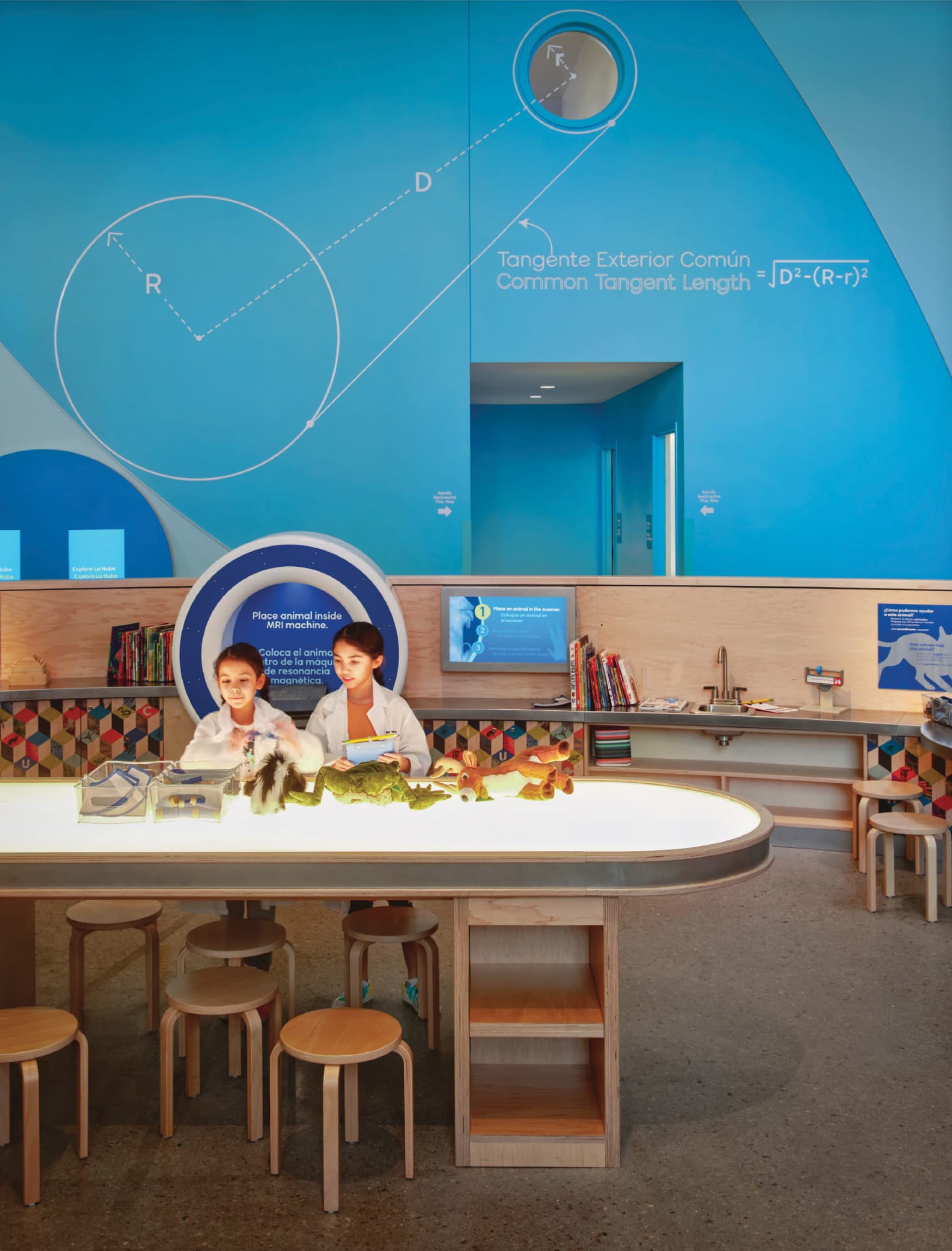
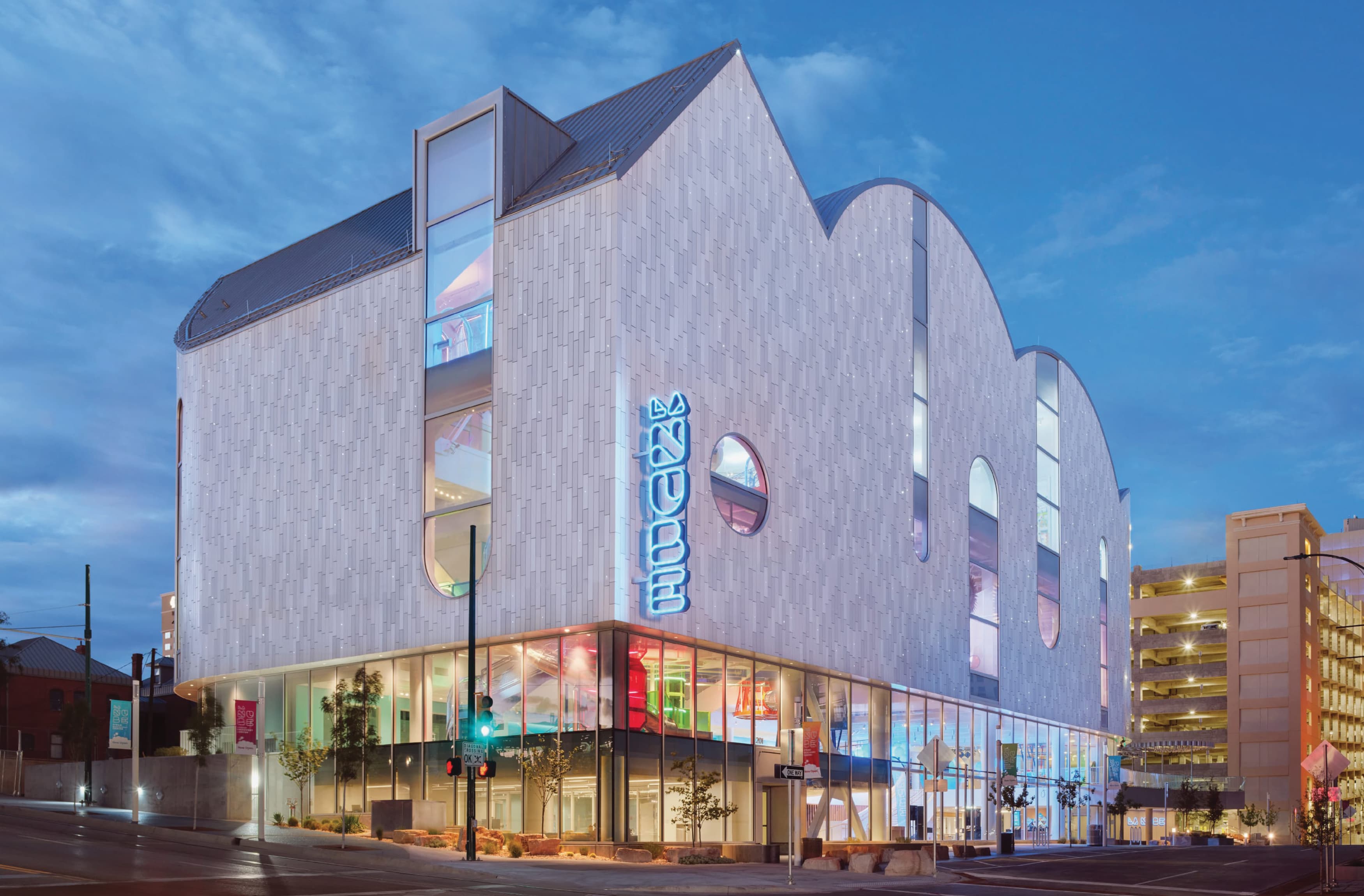
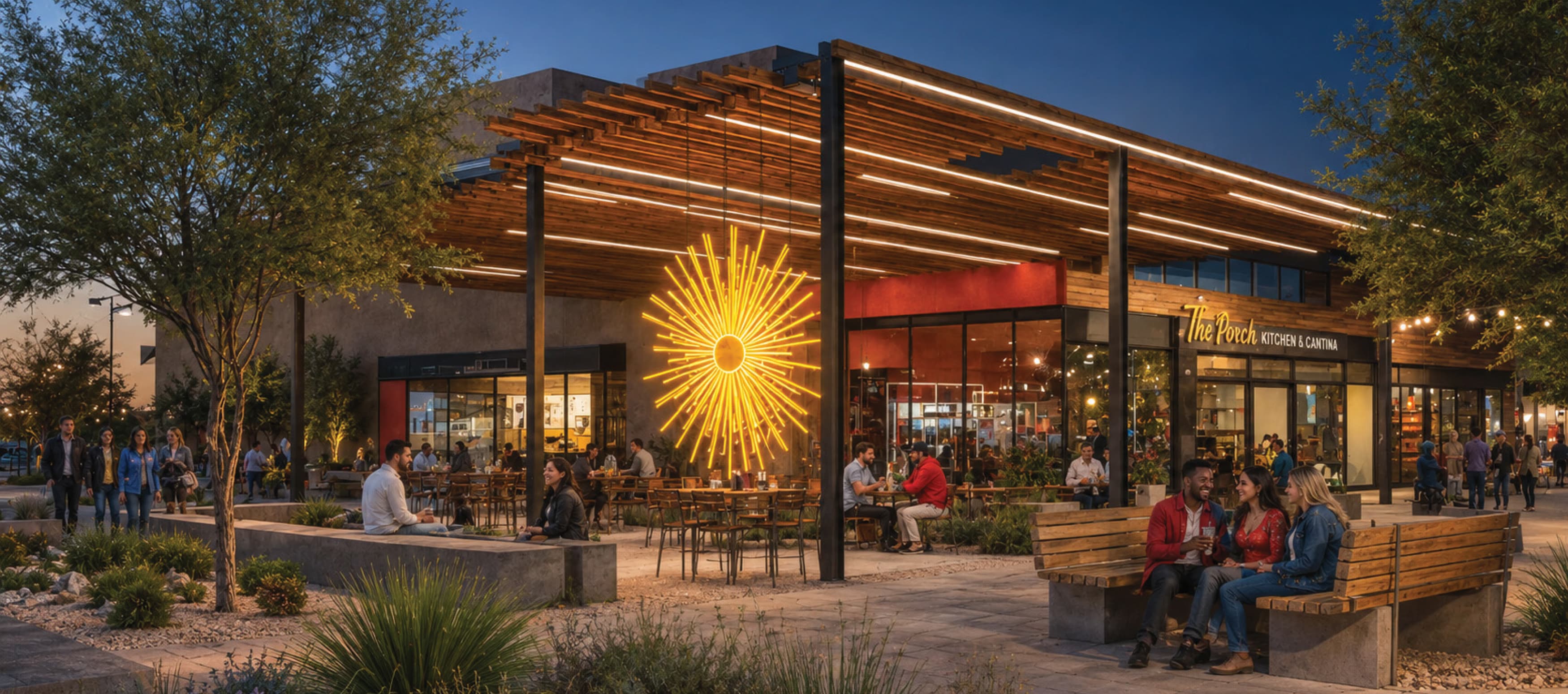
La Nube STEAM Discovery Center, El Paso, TX
Engagement at the Core
A place is only as strong as the social life it is designed to support. At a high level, placemaking creates the conditions for people to gather, connect, and participate in shared experiences. Fostering engagement on both large and small scales is of equal importance, ranging from community events in a public plaza, to a conversation sparked between people in an outdoor seating area.
The sociability of a place is the result of intentional design decisions made at each stage, from the placement of seating in open spaces to the mixed-use opportunities that invite people to return time and time again. These principles, applied with intention, are how locations become destinations.
Placemaking in Practice
These principles do not operate independently. In effective placemaking environments, engagement informs identity, identity shapes the wayfinding strategy, wayfinding reinforces certainty, and delight enriches the experience to feel integrated and holistic. Each principle builds on the others, forming a contextually-rooted placemaking process.
That interconnected quality is what makes placemaking especially well-suited for mixed-use environments, retail destinations, cultural venues, and urban revitalization. When a destination has a clearly articulated identity, intuitive logic, and is embedded with moments that reward exploration, guests tend to stay longer and return more often. As designers continue to reimagine contemporary urban sites, building stronger, more resilient community engagement becomes the mechanism through which a place claims its meaning and purpose.
RSM Design envisions projects in which identity is built from the ground up, and placemaking treats these principles as the criteria for what allows a place to come alive.
Learn more about RSM Design’s approach to placemaking design ›